The Lumberjack


Students Serving The Cal Poly Humboldt Campus and Community Since 1929

Category: Science

  • Fish, evolutionary morphology and queerness in science

    Fish, evolutionary morphology and queerness in science

    By Jess Carey

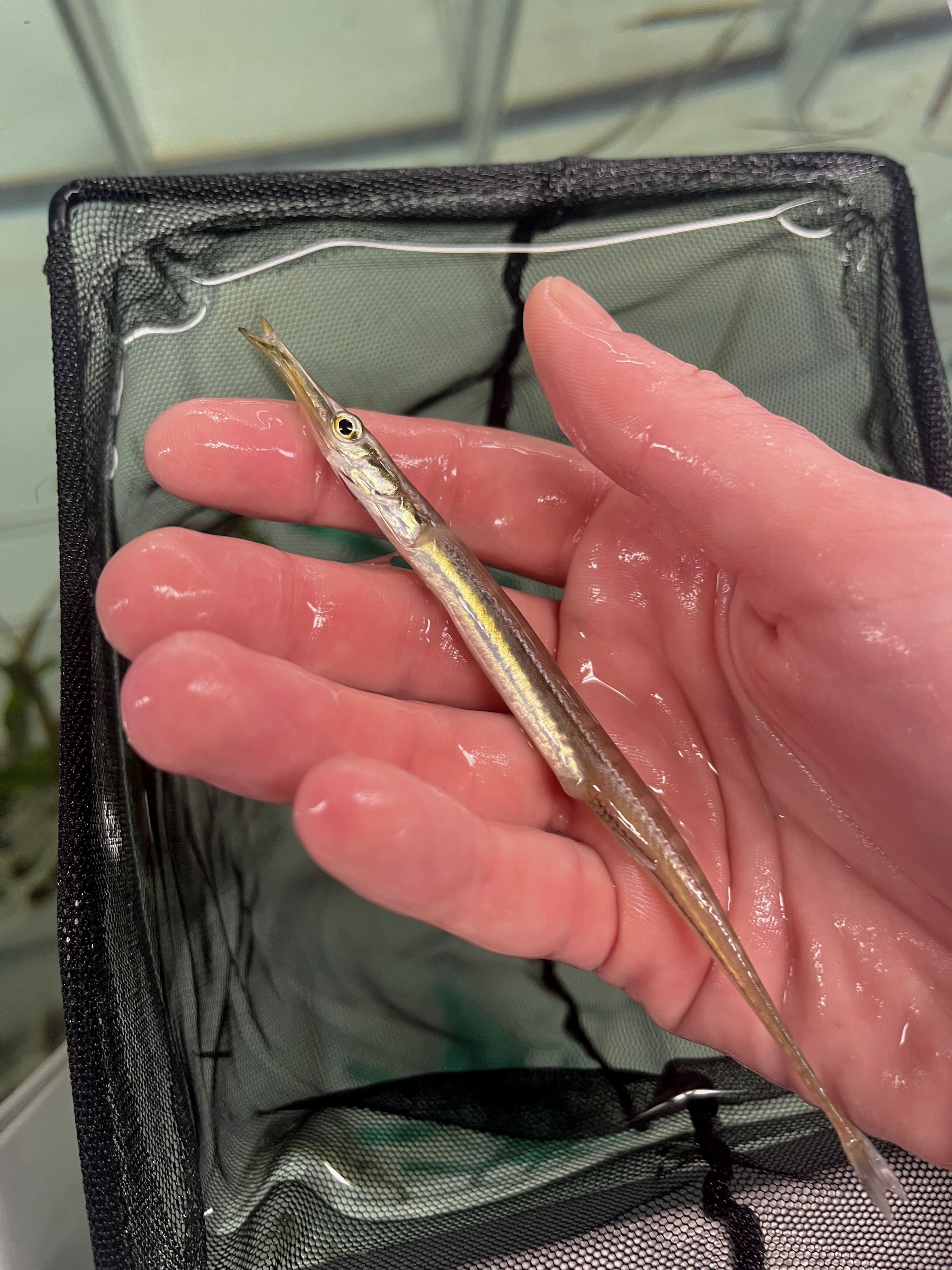
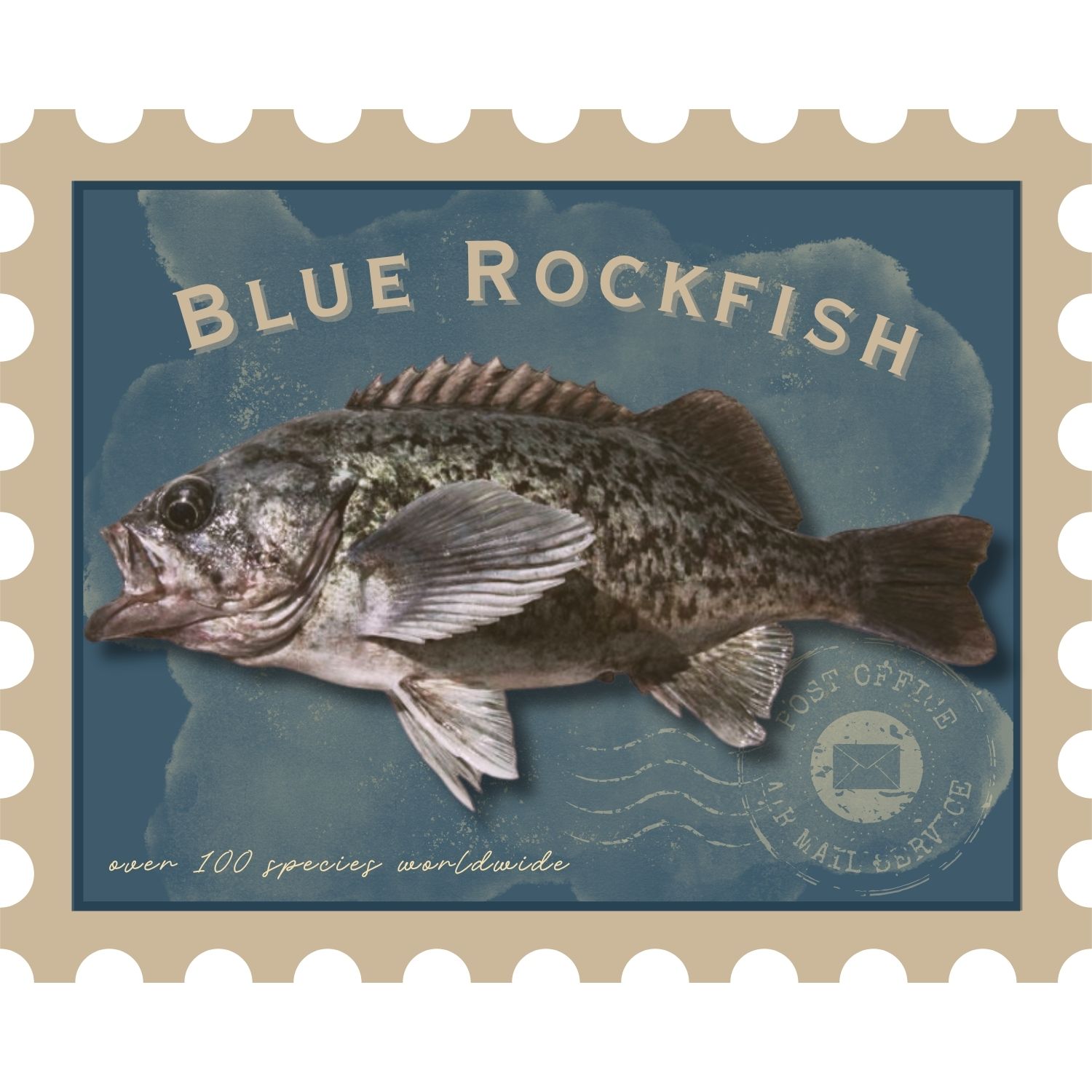
    Cal Poly Humboldt’s proximity to the ocean and on-campus resources like the fish hatchery and Telonicher Marine Lab make it an ideal place to study aquatic organisms. Biology graduate student Lucas Kebow is unraveling the evolutionary history of a local fish species through a lens of embracing queer perspectives in science. 

    “The tubesnout is not the most important economically, but they’re interesting in the sense that there is so little information on them,” Kebow said. “They’re also a huge food source for a bunch of the animals we have here [in Humboldt Bay]. They’re super important for other animals’ diets and they nest on kelp and eelgrass, which is in decline.”

    Despite their low intelligence and small size, tube snouts have notably complex behavioral tendencies. The male fish not only creates the nest, but also guards it like a stay-at-home dad. They act hostile toward invaders, although they are so tiny that it is not a very effective defense. The female fish lays her eggs and then moves on, not investing in the eggs’ development or safety. 

    Historically in science, species that don’t fit heteronormative standards have been sidelined, especially with behavioral studies, as researchers often project their own personal biases onto what they are studying. The world of aquatic biology is full of exceptions to the dominant narratives of gender and sex, from male seahorses giving birth, to hermaphrodite slugs or sex-changing clownfish. 

    “A lot of the queer folks I know find these particular topics interesting,” Kebow said. “It sort of illuminates the natural diversity of evolution and how things have evolved and continue to evolve in animal populations.” 

    In addition to a sidelining of non-heteronormative behavior, there is a historical trend of overemphasizing competition in ecological studies. 

    “You can think of everything as a competition or you can think of everything as just kind of happening by chance,” Kebow said. “Of course, evolutionary drivers are very important, and competition is important. But, I think there’s a lot to be said about just accepting nature as it is and meeting it halfway instead of trying to force competitiveness onto it.” 

    Photo by Jess Carey | The sticky glue-like substance that the tubesnout uses to build its nests on plants is called spaggin.

    He also noted that fish are notoriously difficult to study due to being underwater and difficult to access. In future projects, he hopes to fill in gaps in our understanding of diverse behaviors and life histories in fish and other organisms. 

    “I think queer voices are really important in the sciences to expand our horizons,” Kebow said. “To have different views on what the hell is going on that’s not just so single-mindedly focused on one perspective.”

    The tubesnout is a sister species of the stickleback, another ray-finned fish that is very well-studied. The stickleback is a type genus, a phenomenon in biology where a particular species is used as a reference point for other related organisms. There is an extensive understanding of stickleback development, evolutionary history and genetics. 

    Unlike the stickleback, the lack of information on tubesnout’s biology and evolutionary history leaves a lot of unanswered questions. Despite being incredibly common — with a native range from Baja, California up to Alaska — little is understood about their anatomy and behavior. 

    The tubesnout makes a nest and lays eggs by secreting glue from its kidneys onto a host kelp. However, the mechanisms of this glue production are not completely understood and not universally shared throughout all relatives of the stickleback.

    “It’s a little unclear whether [tubesnouts] separately evolved the characteristic to create the glue, or if it’s from a shared ancestor and was lost a couple of times,” Kebow said. 

    He explained that since genes for glue production have been identified in the stickleback, he is able to develop genetic probes that will indicate whether or not the same genes are present in the tubesnouts. Kebow is also developing a concise anatomical survey of the tubesnout, which is challenging due to the fish’s small size. He is constructing the first scientific drawings of the species’ anatomy by dissecting male and female fish of different age groups. 

    “The more you know about a species, the better you can conserve what is important to that ecosystem,” Kebow said. 

    Jess Carey is a senior at Cal Poly Humboldt, majoring in ecology and minoring in journalism. They are passionate about telling stories that are inspiring to the community, branching their interests in science, music, and storytelling.

  • Water wonderland: campus hatchery houses vibrant array of fish

    Water wonderland: campus hatchery houses vibrant array of fish

    By Nick Escalada

    The Union Street sidewalk between the Kinesiology and Behavioral and Social Science  buildings is a well-trodden path at Cal Poly Humboldt. Whether it’s their first or hundredth commute, students often divert their gazes to the fenced-off aquatic compound beside them, many having little idea of its purpose.

    This is the university’s fish hatchery, a remarkable piece of infrastructure rarely seen on college campuses. The hatchery was constructed to serve the school’s equally unique fisheries curriculum. It acts as a small-scale representation of the wider ecological and aquacultural breeding programs that occur in commercial and government fisheries. 

    Hatchery Manager Patrick Nero explained that this hatchery leans toward a conservation-based model, aimed to raise native species of fish that can be released into the wild to bolster populations. 

    “There’s a lot of uncertainty with the climate and our biological systems coming up in the future, and we need this next generation to be able to help us,” Nero said. “[Students] need to be able to do what they can to mitigate the damage that we’re doing.”

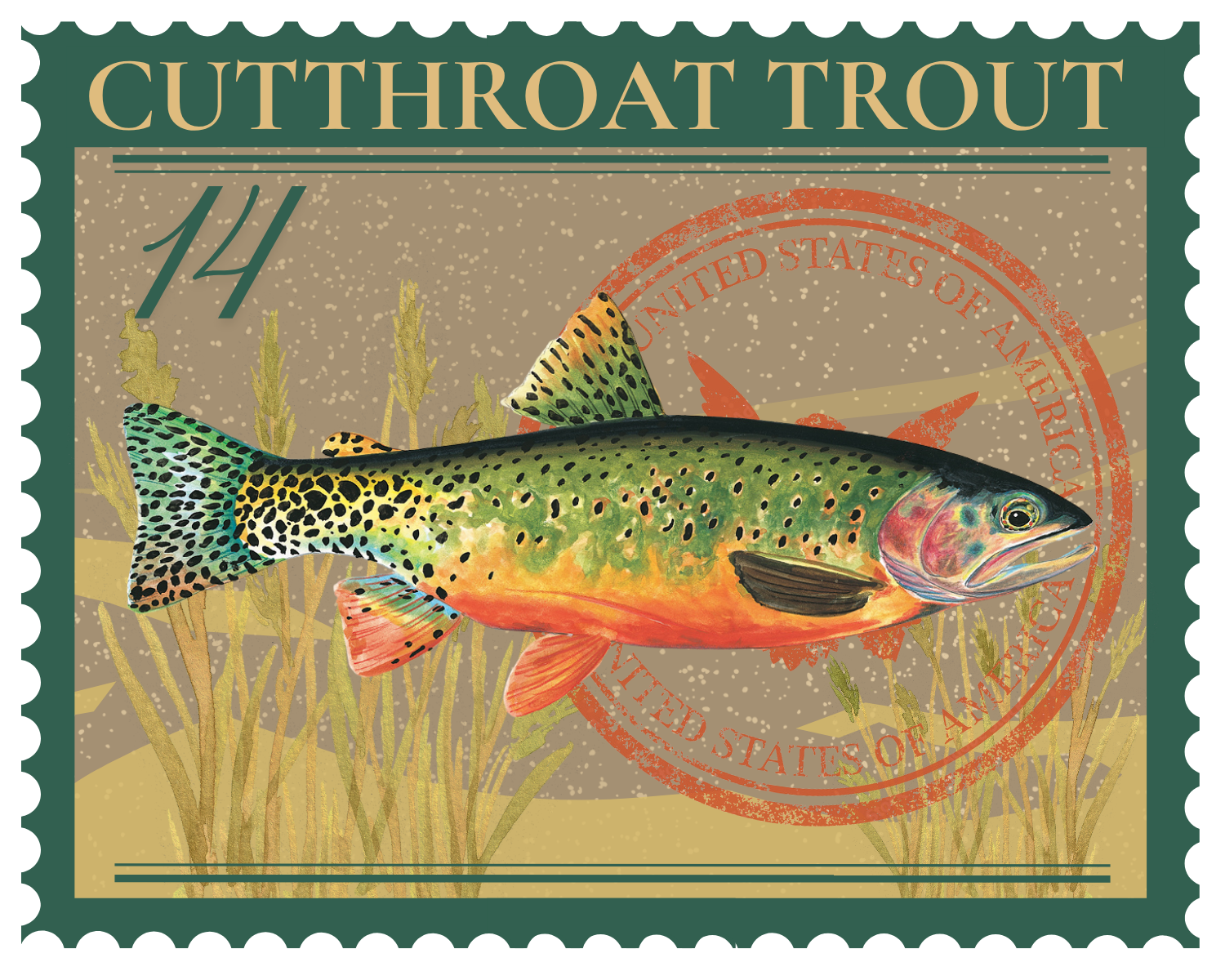
    Among these species are the Northern California steelhead trout and its close relative, the coastal cutthroat trout, who are both listed as endangered under the Endangered Species Act. Versions of these fish that are bred in controlled environments like hatcheries may not receive the same protections under the act as their wild counterparts, but these programs still serve as a safety net for the ecosystems they contribute to.

    “I want them to value the resource that we have, and appreciate nature,” Nero said. “But also to know that not everything is under human control.”

    The first stop upon entering the hatchery is the spawning room, which features dozens of small tanks connected to a central filtration system. The occupancy of these tanks varies throughout the year, and currently the room only houses one group of newborn steelhead that are each just larger than a human thumbnail.

    The back door of the spawning room leads to the larger outdoor section of the hatchery visible from the street. A wooden shade structure covers an elongated concrete raceway that loosely resembles a river. Here, adult steelhead and cutthroat are released to swim more freely until student researchers facilitate spawning by gently squeezing sperm out from males and mixing them with females’ eggs. Fisheries majors are taught other common practices with these adult subjects, such as marking, tagging, anesthetizing and even surgical procedures for those who need them.

    Despite the hatchery appearing tailored to a very specific field of study, it offers resources for scholars well beyond the fisheries program. Fellow students in the College of Natural Resources and Sciences frequently conduct research in the compound, and even non-STEM undergrads are welcome to find project material in the outdoor ponds. 

    Understanding fisheries can build foundational knowledge of government policy, business in the private sector and indigenous food sovereignty depending on which hatcheries are looked at. The one on campus is an especially calming and romantic spot for the arts and humanities.

    Sharing a department, fisheries and wildlife management have close ties both academically and physically.

    “We’ve had non-fisheries majors do independent research and their own studies here at the fish hatchery,” Nero said. “So the opportunities are not exclusive for fisheries majors,

    and you get a good view of the game pens from our side of the fence as well.”

    Perhaps the most striking features of the hatchery are the circular pools that occupy most of the yard. Juvenile trout are placed here to swim against a constant rotational current that will ensure healthy development and proper water quality. Up until a few months ago, the excess nutrients and waste from the pools were collected in a large man-made pond in the back, which gave rise to explosive duckweed growth on its surface. The duckweed has since been removed and the pond is now home to several orange koi.

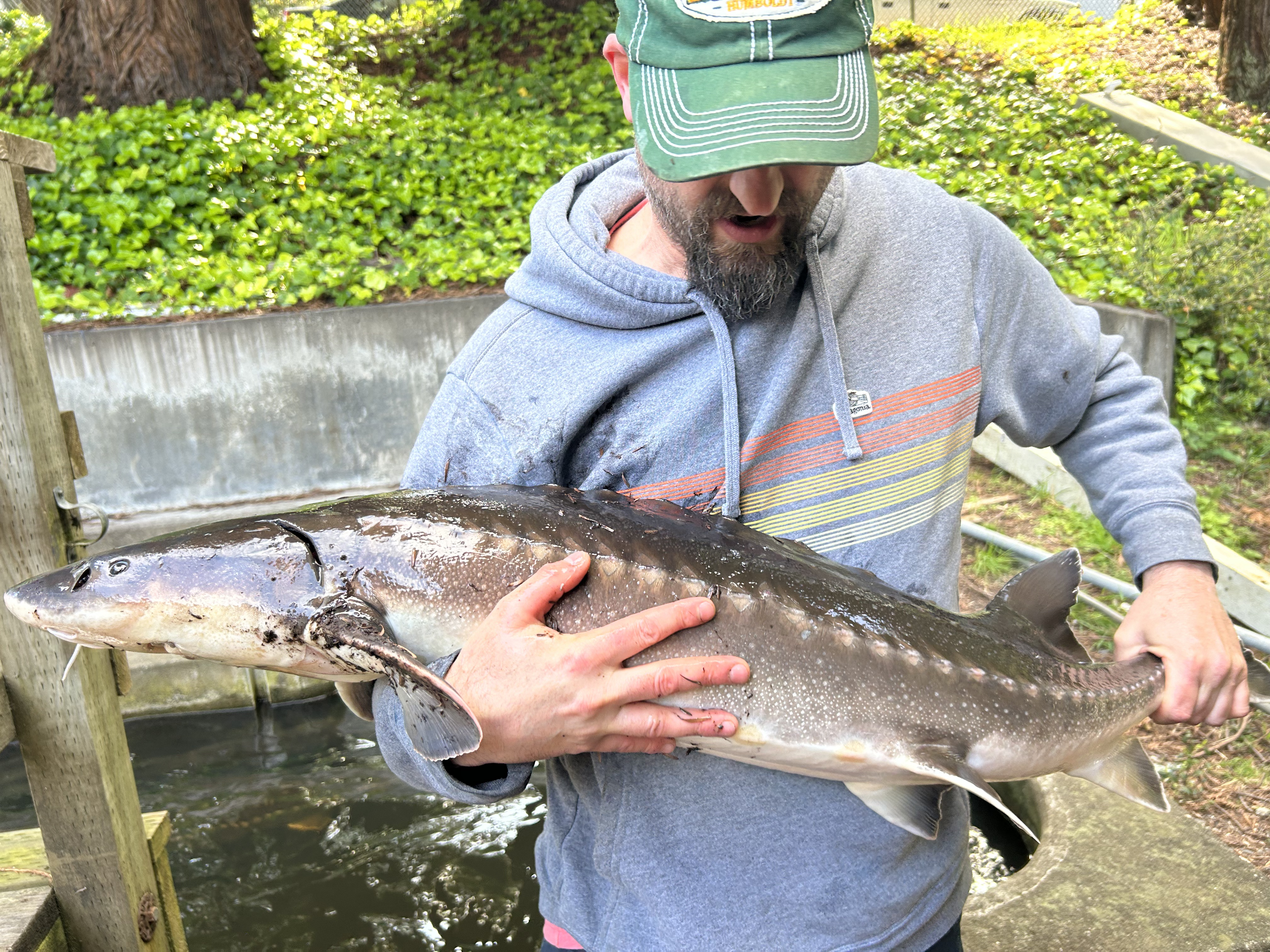
    The few fish visible from the outer sidewalk emerge as giant shark-like silhouettes from a dark rectangular pool. These are white sturgeons, which the university acquired from a local caviar farm and repurposed for student research. Nero easily caught each of the fish held at the hatchery for display in this article, but struggled to contain the immense tail strength of these bottom-feeding behemoths. These fish are only about a third of the way along their 15 to 20-year journey toward sexual maturity.

    Aside from its professional and academic applications, the fish hatchery proves itself a source of inspiration and wonder to those curious enough to inquire about it. Nero expressed his desire for ordinary folk to feel welcome to explore the hatchery freely whenever they walk by.

    “The doors are open Monday through Friday for visitors. Anybody who’s interested, come on in through the front doors,” Nero said. “It’s a beautiful part on campus where you can stroll through, admire the fish, ask questions and scratch your curiosity button.”

    Nick is a sophomore minoring in journalism who reports on happenings of all sorts. As a wildlife major, he enjoys nature-related pieces. On his off days, you can find him taking a hike behind campus or collecting shiny stuff on the beach.

  • Gaultheria shallon or salal berry and the magic of foraging

    Gaultheria shallon or salal berry and the magic of foraging

    By Jess Carey

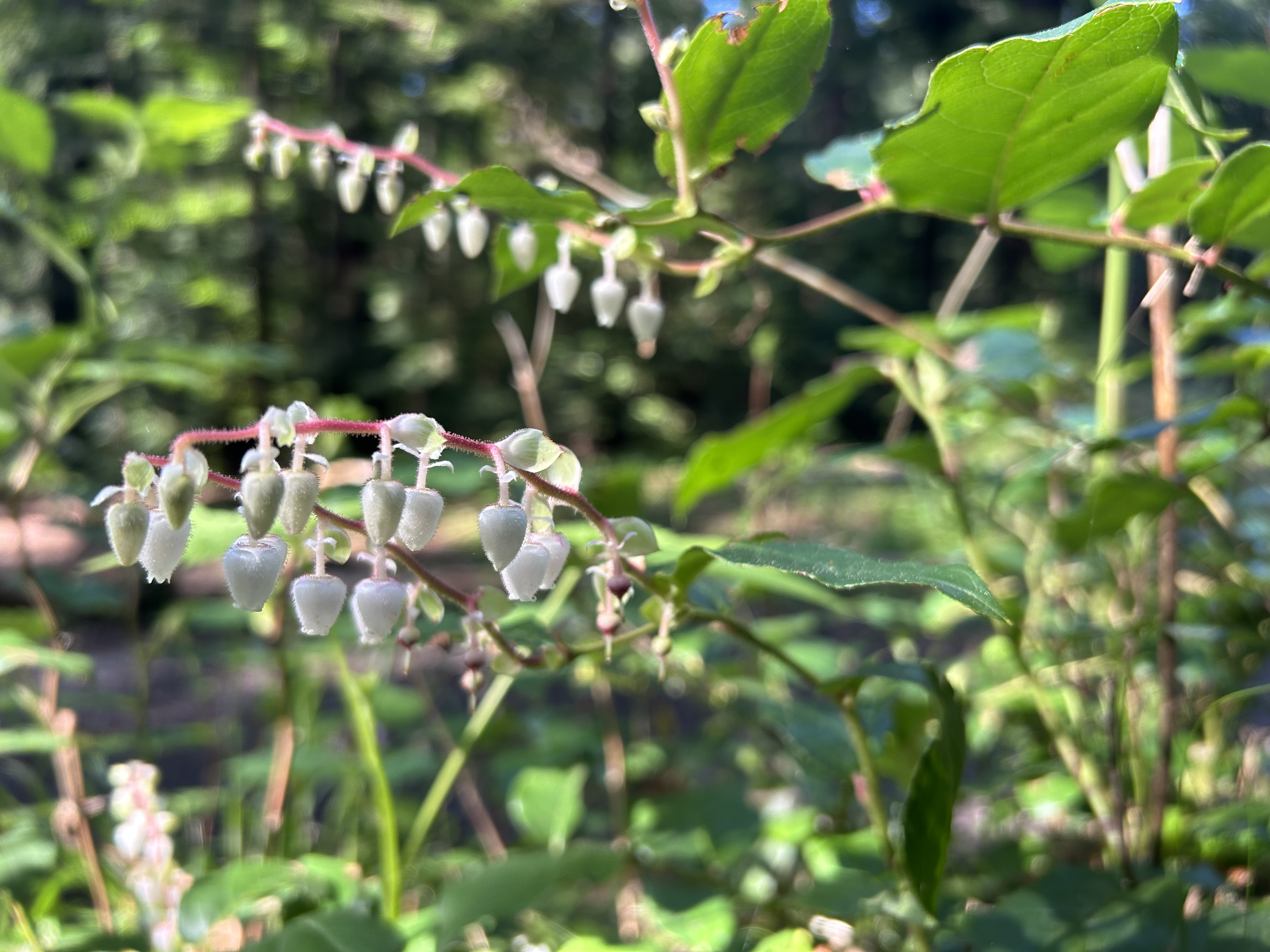
    Salal berries are one of the most common and underappreciated woodland snacks in the North Coast. Blueberry-like in texture and flavor, with a much more sweet and floral taste; you can forget your bland mushy berries in little plastic tubs from the grocery store — these are the real deal. The joy of snacking on berries while on a walk in the woods is monumentally different compared to the soulless beeps of the self-checkout at Safeway. Ingesting a little bit of dirt or the occasional bug won’t hurt you — but a sterile relationship with food and nature might. Armed with a little bit of plant identification practice, you have nothing to fear. Foraging, to me, is a beautiful and accessible way to connect with nature while honoring indigenous knowledge.

    Salal, or Gaultheria shallon, is a common shrub that can be found throughout the Arcata Community Forest and scattered around campus landscaping. The plant’s Wiyot name is viqhul. While its berries won’t be ready for picking until July or Aug., the plant is in full bloom now. Salal is in the Ericaceae family — a group characterized by adorable pink bell-shaped flowers in long clusters. They look like tiny lanterns that a fairy might carry, or perhaps wear as a hat. 

    Its dull green oval leaves are slightly pointed, simple and usually two to four inches long. The plant grows in mats around the base of trees and in thickets throughout the woods. It is a humble shrubby plant, usually not more than two or three feet tall and is fairly inconspicuous until its flowers emerge in spring. 

    Summer is approaching, and with it, the promise of berry season. The huckleberries, or Vaccinium, also have edible berries and look similar to salal, although with smaller leaves and denser bushier growth. Other common edible berries that will be ripe soon include blackberry, salmonberry and thimbleberry, all of the genus Rubus. If you are inspired to try them out for yourself, always keep in mind the principles of the honorable harvest — to only take what you need, respect the plants and embrace reciprocity with the land. 

     Jess Carey is a senior at Cal Poly Humboldt, majoring in ecology and minoring in journalism, and the science editor for The Lumberjack. They are passionate about telling stories that are relevant to the community, branching their interests in science, music, and the arts.

  • Plants, waterfalls, carnivores and more!

    Plants, waterfalls, carnivores and more!

    A trip through the Dennis K. Walker Greenhouse’s extensive collection

    By Jess Carey and Nick Escalada

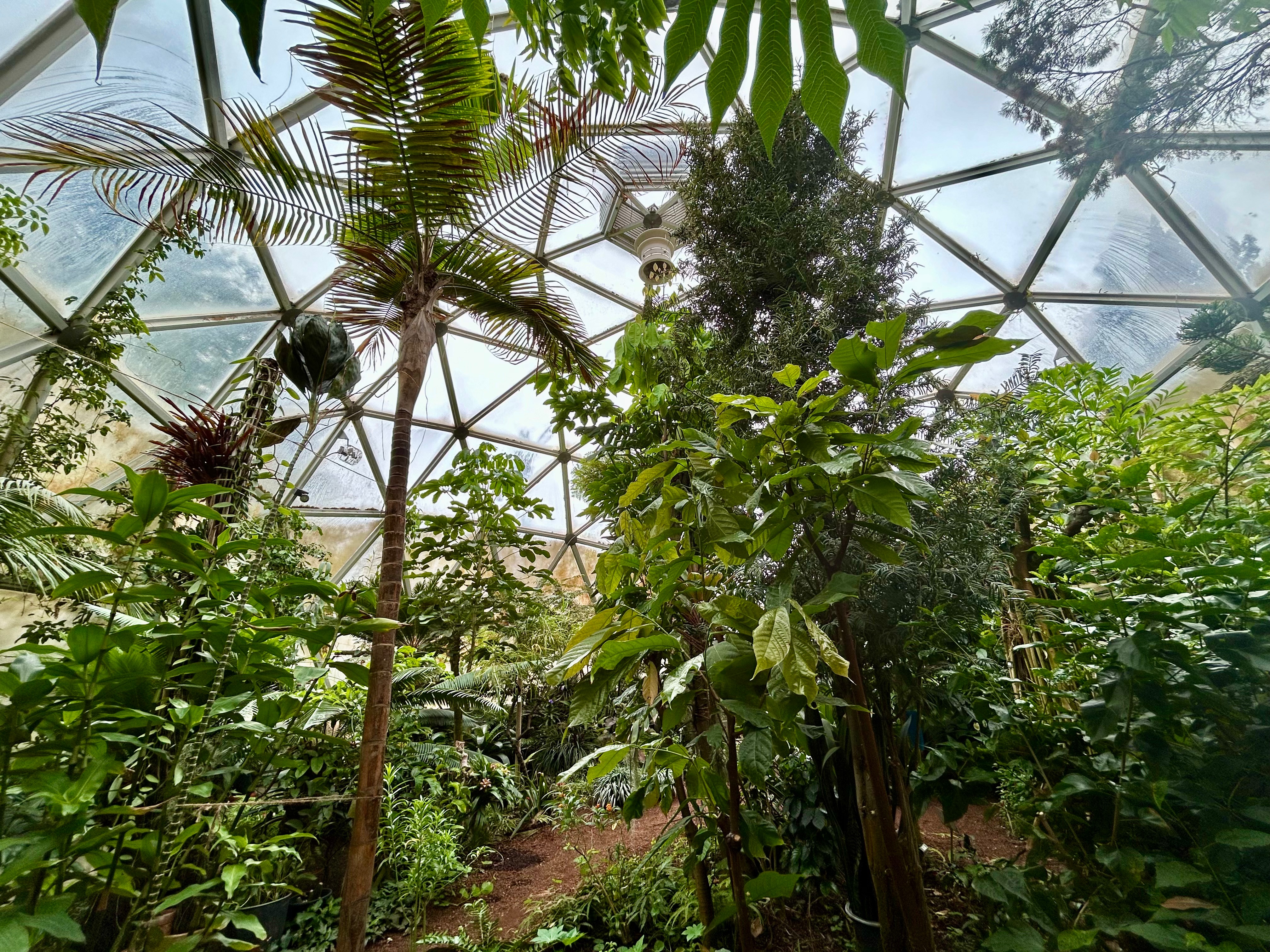
    Take a break from class and step into the lush island of life that is the Dennis K. Walker Greenhouse. The giant translucent dome sitting between Wildlife and Fisheries and the science buildings is a familiar landmark of Humboldt’s campus to most students, even if some have no idea what it contains. The greenhouse includes over 1,000 specimens from 187 families.

    Specimens on display range from backyard garden favorites to potential once-in-a-lifetime viewing opportunities. Each time you peruse the greenhouse collections, something new may be in bloom. 

    Temperate Room

    The largest room in the greenhouse other than the dome is the first stop on the right from the entrance, and it stores a myriad of fruiting plants from temperate regions. Several members of the Solanaceae family on display include Capsicum, the habanero, and devil’s trumpet, Datura. Affectionate types will fawn over the sweetheart plant, whose modified leaves indent at the tip to form an adorable heart shape. There are many specimens of cycads, unique plants that at first glance appear very similar to palms, but are actually conifers. This means that they are more closely related to trees with cones, like pines. 

    Desert Room

    Warm, parched air swells forth from the desert room whenever its door is opened. The section features dozens of impressive species of cacti, from the branching white Mammillaria magnifica to the beach ball-sized Grusonii. On both sides of a stylish cow skull are the delightfully hairy Indian comb cactus and the imposing Madagascar Palm. There are several specimens of Welwitschia, which is considered a living fossil as the only extant member of its lineage. Its unique trailing tendril-like leaves continue growing for its whole life, dying off near the ends. 

    Aquatic Room

    The aquatic room features several large concrete ponds teeming with life, not limited to plants. Look closely into the water and you can see many aquatic creatures, including worms and shrimps, sharing their habitat with the likes of Taro and water lilies. Dainty Azolla coats the surface of some ponds, floating on the water’s surface and following its rippling movement. 

    Several carnivorous plants call this room home. Drosera and Pinguicula exude sticky droplets of a compound that attracts small bugs. Similar to the more well-known venus flytrap, the plants trap bugs. These plants send their flowers up on tall thin stalks, in order to prevent their pollinators from becoming prey. 

    Tropical Room

    The tropical room includes many Araceae like laceleaf and peace lily. These plants have unique stalk-like flowers called a spathe. Other fun, tropical characters are the carnivorous pitcher plant, and many common houseplant species like Philodendron and string-of-pearls. Many houseplant species are of tropical origin, because the warm and dimly lit conditions of most homes mimic tropical environments. 

    Fern Room

    Ferns are lush, leafy plants that lack the ability to produce seeds. Instead, they produce spores. Look under the leaves in this room and you’ll see small yellow-brown spots called sori that are the site of spore production. Species in this room range from native Polypody and Bracken fern to tropical giant fern. 

    Dome

    Stepping into the tropical dome on a cold rainy Humboldt day provides a lush respite from the gloom. The warm and humid room mimics a tropical climate, and the beautifully designed room is as aesthetically pleasing as it is scientifically informative. Tree ferns tower over a small waterfall, its banks lush with Pothos and other tropical understory plants. There are several pitcher plants, milkweeds and even a coffee tree. Air plants and orchids decorate the walls. There is even a rare corpse flower, although it only blooms every two to ten years. 

    The greenhouse has open visiting hours from 10 a.m.-2 p.m., Monday through Thursday. Mouse Sloan is a senior in the Botany program at Cal Poly Humboldt, and works as a student assistant in the greenhouse. They say that the collection is an awesome resource for students. 

    “It also serves the community as a place of solace amidst academic and life stress,” Sloan said. 

    Click here to see the greenhouse map with room names.

    Nick is a sophomore minoring in journalism who reports on happenings of all sorts. As a wildlife major, he enjoys nature-related pieces. On his off days, you can find him taking a hike behind campus or collecting shiny stuff on the beach.

    Jess Carey is a senior at Cal Poly Humboldt, majoring in biology and double minoring in botany and journalism, and the science editor for The Lumberjack. They are passionate about telling stories that are relevant to the community, branching their interests in science, music, and the arts.

  • Plant of the week

    Plant of the week

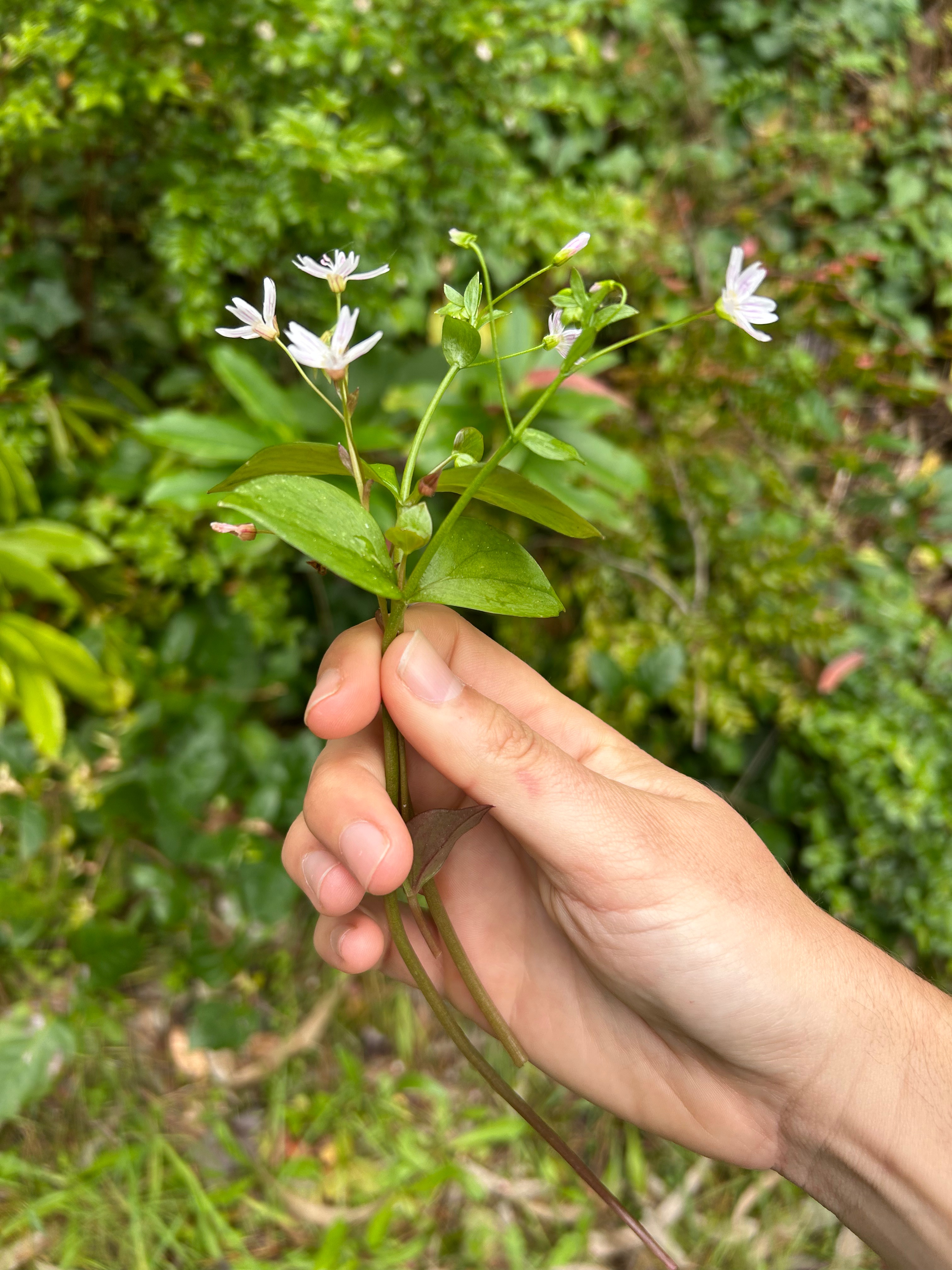
    Claytonia sibirica – miner’s lettuce or candyflower

    By Jess Carey

    Spring is in full swing in the Arcata Community Forest. Look out for small pink blooms of Claytonia sibirica poking out from underneath shrubs and trees. The plant is in the family Montiaceae. The plant’s common name, miner’s lettuce, comes from its lettuce-like taste and texture. It was an important source of vitamin C for gold rush miners and helped to prevent scurvy. I like to call it trail salad, as it makes a great trailside snack. 

    The young leaves have a bright spinach-like flavor that gets more bitter as the plant flowers and ages. Although it is very common, it is easily overlooked due to its small size. Most plants are less than a foot tall. Its flowers are usually less than a half inch across, and white, with bright pink stripes.

    Jess Carey is a senior at Cal Poly Humboldt, majoring in biology and double minoring in botany and journalism, and the science editor for The Lumberjack. They are passionate about telling stories that are relevant to the community, branching their interests in science and the arts.

  • Redwood national and state parks boast underappreciated beauty

    Redwood national and state parks boast underappreciated beauty

    By Nick Escalada

    What is your favorite part of being a Cal Poly Humboldt student? Is it the quirky and intimate local community, inspiring faculty body or exciting new fields of study? If your answer resembles any of these, you may be a boring bastard who needs some enlightening. We live in one of the most uniquely beautiful regions on the planet, and that can be hard to remember when your weekend excursions consist of Dutch runs, thrifting and laps around the farmer’s market.

    For starters, our campus is home to an expansive community forest with a scenic marsh and wildlife sanctuary within walking distance, but if you want some fresh air that’s not laced with THC, a quick drive up north is your best shot. Between Orick and Crescent City are dozens of miles of pristine forest, grasslands and beaches all protected by the National and State Park Service. Below is a list of essential day and overnight trips in the area you would be remiss to pass up before you graduate.

    Trillium Falls Trail Loop (40 min drive)

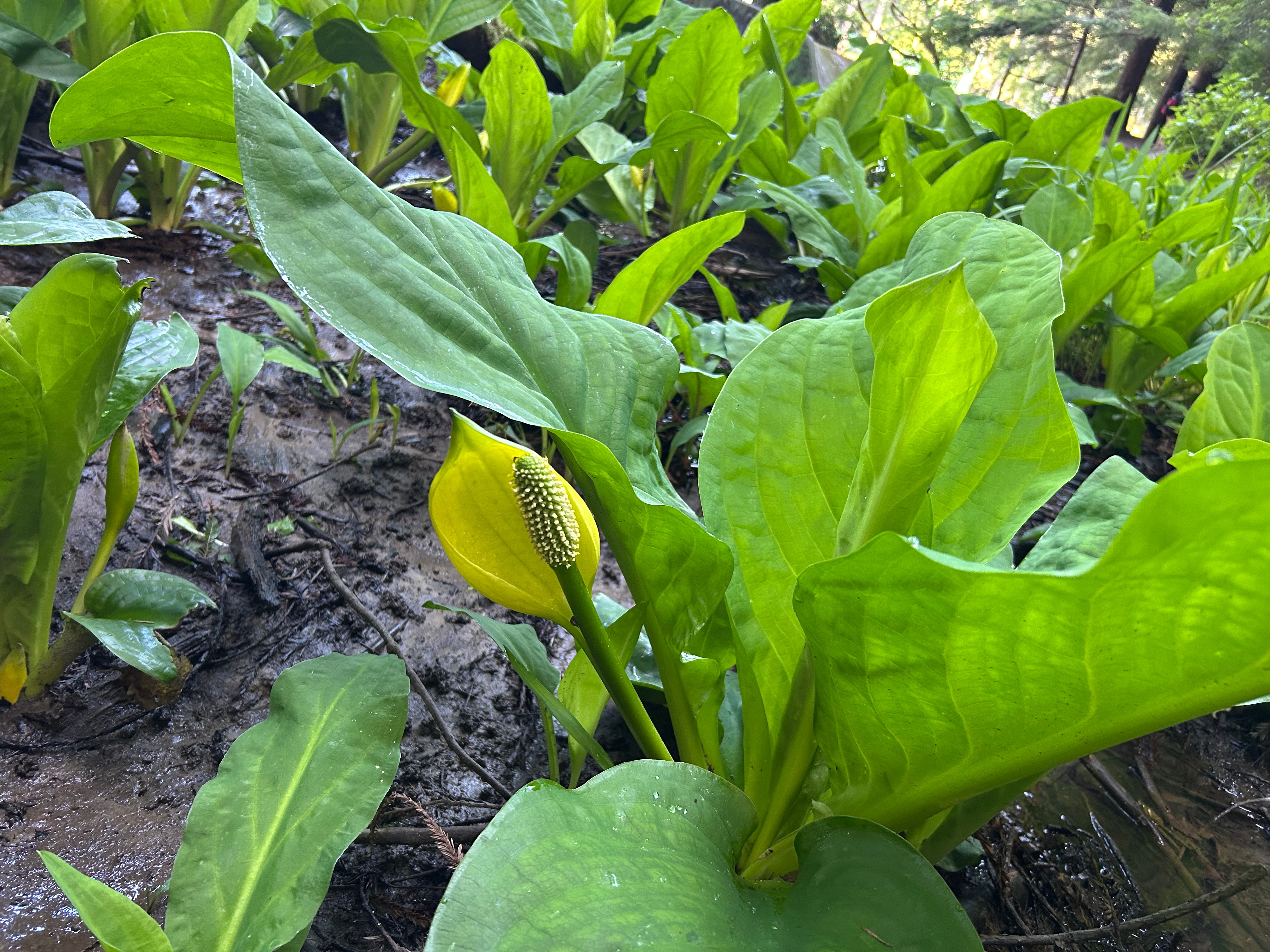
    About 40 miles up the 101 lies a left turn onto Davidson Road, where you can pull over to watch the occasional elk herd graze in the surrounding meadows. Beyond that is a questionably narrow route to Gold Bluffs Beach, which offers car camping reservations, but you’re better off making another left at the junction which will lead you to the Trillium Falls Trail. The two-or-so-mile loop makes for a laid-back tour of Humboldt’s temperate rainforest ecosystem, featuring vibrant plant life like the crack willow and American skunk cabbage. The titular falls rest near the end, and I’ll prescribe a minimum of one splash to the face for a good time. Just be careful not to slip on the mossy rocks.

    Sue Meg State Park (20 min drive)

    Sue Meg, pronounced Soo-May, is a shorter trip not far past Trinidad, and it is popular among travelers for good reason. Apart from its maintained campgrounds, it contains some excellent views of the rocky coastlines which occur more up in southern Oregon. Chief among these vistas are Patrick’s Point, which becomes a great spot for humpback whale watching in the early summer, and Wedding Rock, which juts out into the sea with a medieval castle aesthetic, and can in fact be just as magical for proposals! In the shadow of these monoliths is a trail to the water line, and at low tide you can explore some immaculate pools of north coast sea life.

    Newton B. Drury Scenic Parkway (45 min drive)

    A few minutes past Davidson Road will get you to Newton B. Drury Scenic Parkway. If you drive up to Humboldt from SoCal, this is like a souped-up version of the Avenue of the Giants, complete with bigger trees, a bike-friendly road and several diversions worth your time. The first and most interesting one is Prairie Creek Redwoods State Park, which welcomes you with a massive grassy clearing open to sightseeing, hiking and camping. This place holds your best chance of spotting Roosevelt elk, the largest subspecies of elk on the continent and native only to our area. If you’re headed up to Crescent City or Oregon, I highly recommend taking the full length of the parkway as a scenic alternate.

    Redwood Creek Trail (30 min drive)

    If you love nature enough, you will eventually go backpacking. It is an unfortunate pipeline, and hardcore outdoors enthusiasts need not look further than the Redwood Creek Trail just beyond Orick. The path runs along the bank of a sizable river, and certain parts may get flooded during the rainy season. But a few puddles never hurt a young adventurer like yourself, and once you push through, you will be rewarded with stellar photo ops and one or two guaranteed wildlife encounters. Two designated campsites lay partway down the trail, but the real gem of this locale is its permittance of dispersed camping anywhere on the river’s gravel bars. If civilization in Humboldt still somehow overwhelms you like it does me, you will delight in the total isolation of this forested retreat where no one will hear you scream.

    Nick is a sophomore minoring in journalism who reports on happenings of all sorts. As a wildlife major, he enjoys nature-related pieces. On his off days, you can find him taking a hike behind campus or collecting shiny stuff on the beach.
  • Plant of the week

    Plant of the week

    Lystichon americanus- the skunk cabbage

    By Jess Carey

    Long ago, before there were salmon, the people of the Pacific Northwest coast had only leaves and roots to eat. Finally, the first salmon swam up the river to spawn. Fighting her way through the rapids, she heard a voice call out. 

    “Finally, my relatives full of eggs have arrived to feed the people!” 

    Salmon was happy to be welcomed with gratitude. 

    “Who is it that calls?” Salmon asked. 

    “It is your uncle, the skunk cabbage,” the response echoed through the canyon. 

    An illustration of the skunk cabbage, a plant with large, wide leaves and club-like flowers that grows low to the ground.
    Graphic by Jess Carey

    The salmon climbed ashore to meet her uncle. As a reward for generously providing for the people, skunk cabbage received a club and an elk skin coat, and was given the nutrient-rich lowlands near the water. This legend traces back to the Kathlamet and Clackamas peoples, and was adapted here from Pojar and MacKinnon’s Plants of the Pacific Northwest. The story explains skunk cabbage’s strange appearance and affinity for swamps. 

    The leaves and roots of skunk cabbage — when boiled — are edible. Uncooked, they burn the mouth and skin, due to high concentrations of needle-like calcium oxalate crystals. Its waxy leaves are also used for food storage and cups. The whole plant exudes a distinctive musty odor that lends it its name. Leaves and sheathed club-like flowers emerge from dormant roots called rhizomes every spring. While the plant sheds its flowers and leaves in the winter, its rhizome can live some 20 years, safely protected from winter frost in the cozy soil. Skunk cabbage’s strange and vaguely phallic flowers are the characteristic blooms of the Araceae family. Similar flowers are seen in the common landscaping plant, calla lily.

    Jess Carey is a senior at Cal Poly Humboldt, majoring in biology and double minoring in botany and journalism, and the science editor for The Lumberjack. They are passionate about telling stories that are relevant to the community, branching their interests in science, music, and the arts.

  • Local permaculture and Humboldt culture

    Local permaculture and Humboldt culture

    Gardening community grows at 24th annual seed and plant exchange

    By Jess Carey and Nick Escalada

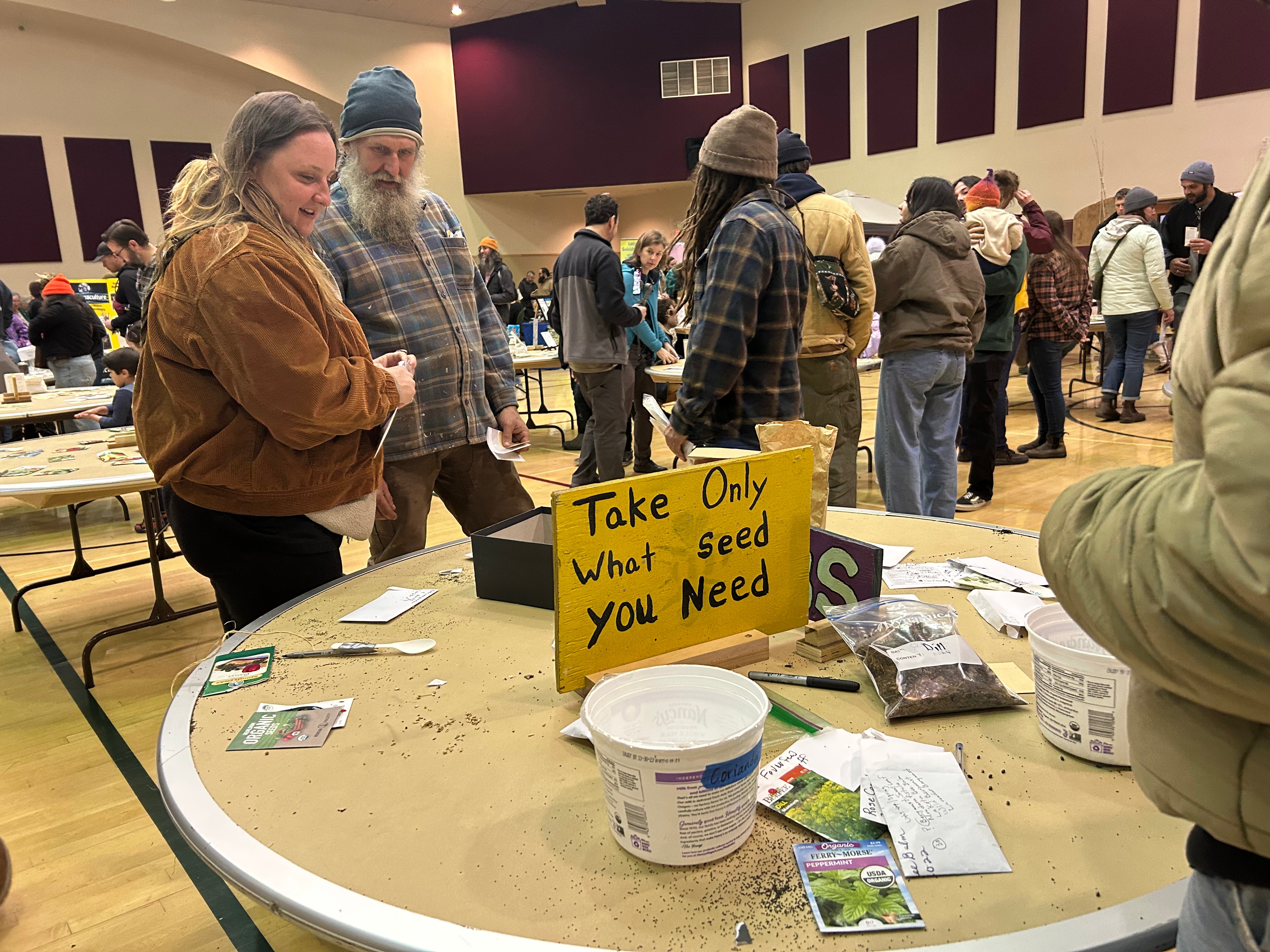
    The Humboldt Permaculture Guild hosted their 24th annual Seed and Plant Exchange last week on March 15. Thousands of agricultural enthusiasts gathered at the Arcata Community Center to trade seeds and build community around local permaculture. Hundreds of varieties of vegetable, fruit, herb and flower seeds were available for free, donated by community members with excess to share. Exchanging seeds reduces waste, as oftentimes plants produce many more seeds than gardeners are able to use. Vendors sold plants, herbal medicine, books and more. 

    Somewhat unique to this convention was a scion exchange, which entails sharing varieties of fruit trees that can then be used to graft new varieties onto existing trees. In addition to grafting workshops, demonstrations of sustainable agricultural practices such as making biochar, and properly cleaning and saving seeds took place throughout the day.

    Along with the myriad of plants and seeds for the taking, there was a raffle and several workshops. Community members and local organizations tabled around the perimeter of the event, sharing gardening tips and information about local environmental projects. 

    Rosemary Meisler co-directs the Campus Center for Appropriate Technology, Cal Poly Humboldt’s student-run and community-led sustainability education program, and was a fan of the event. 

    “Exchanging seeds has so many benefits on so many levels,” Meisler said. “It is a great way to tangibly invest in keeping our gardens native and diverse while mutually supporting each other’s farms of all sizes.” 

    The Humboldt Permaculture Guild organizes events like these year-round with shared themes of conservation and land stewardship through plant cultivation. In addition to gatherings like the seed exchange — which is the most ambitious and popular event of the year — they host gardening education workshops and community projects, such as building seed libraries.

    “This event is a really wonderful opportunity for people of all ages and backgrounds,” Meisler said. “I learned so much about farming techniques, growing food and medicine independently, and participating in our local economies and ecologies.” 

    Three college students - one wearing a beige sweater and beanie, one wearing a blue and white jacket, and another wearing a black hoodie and red beanie, sit at a decorated table for the Campus Center for Appropriate Technology. Two of the directors are holding up seedlings in small planter boxes.
    Photo by Jess Carey | Co-directors of the Campus Center for Appropriate
    Technology — Rosemary Meisler, Myranda Felton and Abby Mingus — tabled at the event.

    Jess Carey is a senior at Cal Poly Humboldt, majoring in biology and double minoring in botany and journalism, and the science editor for The Lumberjack. They are passionate about telling stories that are relevant to the community, branching their interests in science, music, and the arts.

    Nick is a sophomore minoring in journalism who reports on happenings of all sorts. As a wildlife major, he enjoys nature-related pieces. On his off days, you can find him taking a hike behind campus or collecting shiny stuff on the beach.

  • Plant of the Week: Equisetum telmateia

    Plant of the Week: Equisetum telmateia

    The plant that once towered above the dinosaurs

    By Jess Carey


    Dinosaurs once roamed through forests of giant horsetails, large bamboo-like plants up to 100 feet tall. Today’s horsetails may seem tall to an insect. Plants in the genus Equisetum are the sole living representatives of their ancient lineage that towered over dinosaurs in the Jurassic age. Today, they grow in dense clusters in wet areas, as a microcosm of their former glory. A bank of Equisetum looks like a tiny forest. Every spring, long tapering green stalks poke through the understory, arising from underground roots specialized for hibernation through winter. Our local species, Equisetum telmateia, is in abundance in wet places on campus and around the Arcata Community Forest. A particularly robust community of horsetails thrive along the creek that runs by the College Creek soccer field. 

    Equisetum’s ancient origin is reflected in its alien appearance. Bottlebrushy leaves spiral from green stalks, broken up into nodes that progressively get smaller as the plant grows higher. Fertile, leafless stalks are a lighter brown-green and culminate with a corncob-looking reproductive structure called the strobilus. The strobilus is basically similar to a pinecone, except this plant makes single-celled spores instead of seeds. This reproductive strategy is similar to how fungi reproduce. If you pop off a node and rub it in your fingers, you’ll notice a coarse texture, thanks to silica deposited in the plant’s cell walls. This brittle texture is the origin of the plant’s other common name, scouring rush, as the plant can be used to scour dishes clean.

  • The good, the bad, and the melodic

    The good, the bad, and the melodic

    Diving into the science behind consonance and dissonance in music

    By Mia Costales

    You watch as the actress cracks open the basement door. The camera pans down, revealing rickety wooden stairs leading to a pitch black abyss. As she descends down the steps, the soundtrack swells. The boom of timpani grows louder, mimicking the sound of a human heartbeat. The sharp shrill of violin strings send an involuntary chill down your spine. As the tempo picks up, you notice your pulse is steadily rising as well. Then, BOOM. A cacophony of noise blares through the speakers as a monster emerges from the dark. You may not have noticed, but that feeling of impending dread is thanks to the music. 

    Music is a unique medium in that it has the power to replicate human emotion through sound. Music can influence mood, trigger memories and even shape emotional responses to experiences. To many, music in minor keys evokes feelings of sadness, longing and exhaustion. Major keys may evoke feelings of joy, jubilation and excitement. Music theory, the study of the fundamental elements of music — such as notation, rhythm and form — can offer scientific explanations as to why we associate particular sounds with emotions. 

    Michael Fabian, a music professor at Cal Poly Humboldt, explained that in Western cultures, certain elements of music can sound consonant or dissonant. Typically, Western music that is considered consonant has a neutral or pleasing quality to it. On the other hand, dissonance is characterized by tension or unpleasantness.      

    “Western music uses a tuning system based on ratios,” Fabian said. “The closer the ratio, the more dissonant the sound. There is an argument about the mathematical purity of the ratios being more ‘naturally’ pleasing to our ears, but that is a trend and not a guarantee.”

    These ratios are also known as intervals. Intervals are the tonal distance between two notes. The term ratio concerns the proportional relationship of the frequencies of the sound waves between any two notes. The further apart each note’s sound wave frequency is from one another, the more pleasing to the ear it sounds.

    In music theory, an interval such as a perfect fifth, is considered very consonant because the distance between each note is seven half steps — half steps being the smallest interval between two notes in Western music. Thus, the distance between each note’s sound wave  frequency is further apart. A popular example of a perfect fifth is the jump between the notes in the first two “twinkles” and the notes in the second two “twinkles” in Twinkle Twinkle Little Star

    Conversely, a minor second interval, which sounds tense, only contains one half step, making it sound dissonant. This is because the distance between each note’s sound wave frequency is much closer together. An example of a half-step is the difference in tone between an F# key on a piano, which is a black key, to the G key, the white key directly next to the black key.

    The tempo, or speed, at which music is played also plays a large part in evoking human emotion. Rebekka Lopez, a 2023 music performance graduate, shared how she believes the tempo can affect the way a listener absorbs music. 

    “The same exact melody can be played at different tempos and have a completely different effect on the listener depending on that,” Lopez said. “Even a super ‘happy’ melody can sound nostalgic or pensive if it’s performed more slowly. Vice versa, a normally slow melody can be sped up and take on a different meaning. As humans, we all experience higher heart rates for anxiety, excitement, fear and happiness, and much slower heart rates for calm, tired, empty, depressive and pensive moments.”

    While elements like tempo, dynamics or phrasing definitely contribute to how a listener interprets the music, it’s important to note that no two people hear a piece of music exactly the same. Cultural, geographic and even generational differences hugely factor into how a person perceives music and what they perceive as ‘good’ or bad.’ For example, a 2016 study conducted by MIT and Brandeis University found that Westerners considered the interval between the notes C and F#, known as an augmented fourth, to be very dissonant, while members of the Tsimane’ tribe found the chord pleasing to the ear. 

    “It’s crucial to remember that our perception of sound and music is hugely influenced by the musical culture we grow up listening to,” Fabian said. “To many people in my class, songs in minor keys sound ominous, tritones sound dissonant, et cetera. But for others, minor sounds melancholy, and tritones sound energetic. It really has so much to do with the music you heard growing up.”

  • Plant of the Week: Local botanizing in the Arcata Community Forest

    Plant of the Week: Local botanizing in the Arcata Community Forest

    By Jess Carey

    Legend has it that long ago, a poor young man fell truly, tragically in love with the most beautiful princess in all the land. He scoured his savings and sold what little he owned to buy her gifts of slippers, jewelry and rabbits. He traveled many miles to her palace, where he confessed his love at her feet. She denied him reciprocity and took the gifts greedily. He was left alone and destitute. Heartbroken, he stabbed himself in the chest with his knife, and the first bleeding heart flower grew from the dirt where his corpse lay. The story traces back to a Japanese legend, as different species of Dicentra are native to California’s western neighbor. 

    Dicentra formosa, or Pacific Bleeding Heart, will be blooming soon. The plant, of the poppy family,  flowers from March to early summer and dots the redwood forest with its delicate pink blooms. Its uniquely shaped inflorescences are a striking pink to lavender hue and balance in clusters atop long drooping stalks, like tiny hearts on a stick. A darker streak cuts each flower in half and looks suspiciously similar to dripping blood. The plant’s delicate and feathery leaves are cilantro-like in color and texture, but less tasty and unfortunately toxic. As summer approaches, the petals will wither away as a legume-like capsule fruit takes their place. The fruit will eventually dry up and split open, revealing seeds that have a special oil-rich coating that attract ants to aid in their dispersal. You can find Dicentra tracing up hillsides in the redwood forest, following trails of moisture in the troughs of streams. The plant also grows around campus, particularly abundant throughout the grounds of the residence halls that are nestled in the redwoods.

    Jess Carey is a senior at Cal Poly Humboldt, majoring in biology and double minoring in botany and journalism, and the science editor for The Lumberjack. They are passionate about telling stories that are relevant to the community, branching their interests in science, music, and the arts.

  • Fly, eagles, fly! Wildlife biologists revive beloved bald eagle nest cam in Faye Slough

    Fly, eagles, fly! Wildlife biologists revive beloved bald eagle nest cam in Faye Slough

    By Nick Escalada

    Picture this — you are suspended 100 feet in the air, overlooking a beautiful inlet of the Pacific Ocean teeming with wildlife. Shorebirds chirp down below, chorus frogs serenade you from all directions and crisp North Coast rainfall washes over your senses. Suddenly, a massive shadow enshrouds you, and your eyes dart up to meet the 7-foot wingspan of a brown and white raptor as it touches down within arm’s reach. While this might sound like every wildlife major’s perfect fantasy, you won’t have to limit this scene to your imagination for much longer.

    Climbing Biologist and Sequoia Park Zoo Director Jim Campbell-Spickler partnered with Dr. Peter Sharpe of the Institute for Wildlife Studies to re-establish Humboldt’s locally renowned bald eagle nest cam livestream. Formerly known as Humboldt Bay Eagle Cam, the Faye Slough Eagle Cam is now situated at a promising new nest site by the wildlife area of the same name. 

    The starring couple, known only as Mr. and Mrs. Humboldt Bald Eagle (HBE) were first observed in 2006 and were eventually the subjects of an initial livestream backed by the Humboldt Wildlife Care Center and Sequoia Park Zoo. The pair gained swaths of admirers on Facebook once they began rearing chicks, but they eventually abandoned their nest in 2016 and were not seen again. That was until two years ago, when a resembling couple was spotted building a home atop a 110-foot grand fir near Fay Slough.

     “It’s a great territory for them to hold,” Campbell-Spickler said. “And Fay Slough is amazing, so you can see they’re just hunting that area. It’s a great view.”

    Like most birds, bald eagles are highly selective with the areas in which they choose to breed and raise their young. These doting parents often abandon fully built nests for reasons ranging from structural integrity to exposure to predators, but recent observations have the biologists hopeful that this pair is here to stay.

    “This is about the time of year when we’d expect them to show up and start exhibiting courtship behavior,” Campbell-Spickler said. “[They’re] starting to really solidify that bond that they have for the breeding season, and we’re starting to see that behavior. It’s really early, so we’re watching very closely to see what happens. It’s like a soap opera.”

    Even as apex predators, building a homefront in the treetops is no easy feat. A portion of the nest broke off during last week’s storm series, which has impeded the HBE’s construction progress a fair bit. On top of that, turf wars with other large birds of prey make early nest life a constant uphill battle.

    “We watched the male who was roosting at the nest site one night get tagged pretty hard by a horned owl,” Campbell-Spickler said. “We are hearing red-shouldered hawks and red-tail hawks aggressively calling in the area, meaning that this is not just a territory held by bald eagles.” 

    Despite sitting over 100-feet off the ground, both nests from the current and original livestream have occasionally housed numerous creatures beyond their original avian architects. So far, the phenomenon has brought up Pseudacris regilla, the Pacific chorus frog, and Aneides vagrans, the wandering salamander.

    “A neat feature of our area is that these big nests just sponge up water and can support what are mostly considered terrestrial amphibians,” Campbell-Spickler said. “We did have our first frog observation the other night, with these warm, rainy conditions coming in. As far as I know, it’s not something that’s been discussed in literature yet. They seem to cohabitate, just unaware of each other.”

    It’s apparent that bald eagle nests like these invoke as much joy and wonder in seasoned biologists as they do the casual birdwatcher or passerby. After all, the birds were a much rarer sight in Humboldt only a couple decades ago due to the uncontrolled logging and hazardous waste disposal of the county’s past.

    “What we know is that in the lower 48 [states], Eagle numbers just crashed,” Campbell Spickler said. “Populations remain somewhat healthy in Alaska, but it’s some over the last several decades that we’ve seen this recovery in all of North America, so our region shows the same. There’s recovery. There’s a lot more young that are being produced, and it’s great to see. You wouldn’t see eagles flying around 20 years ago. But if you drive up to 101 North, you will see them at the lagoons, and they’re not uncommon anymore.”

    The Fay Slough Eagle Cam is now live on Sequoia Park Zoo’s YouTube channel, Redwood Zoo. Highlight clips and pictures of the eagles are posted regularly to the Facebook page Fay Slough Bald Eagles, which boasts a lovely community of fans. You can even watch the drama unfold on a 65-inch screen on your next visit to the zoo in Eureka!

    Nick Escalada is a sophomore minoring in journalism who reports on happenings of all sorts. As a wildlife major, he enjoys nature-related pieces. On his off days, you can find him taking a hike behind campus or collecting shiny stuff on the beach.

  • Upcoming documentary release presents an opportunity to learn about Baduwa’t

    Upcoming documentary release presents an opportunity to learn about Baduwa’t

    By Jess Carey

    Names, like rivers, carry stories. Names are powerful, and reflect countless layers of connection to land and place. Baduwa’t is the original Wiyot name for what is now known as the Mad River. It was flippantly dubbed “mad” after a party of white land surveyors got into a squabble while camped on the banks in 1849. 

    The river flows 113 miles from its headwaters in Trinity County to meet the sea just north of Arcata, providing water for over 90,000 Humboldt County residents. It is a biodiversity hotspot, sustaining habitat for Coho and Chinook salmon, beavers and countless other species of plants and animals. It is one of the most remote watersheds in Northern California and carries water from snow-topped Klamath peaks to your cup of morning coffee. 

    A legacy of exploitation began with the erasure of its true name. Over 150 years of mining, damming and diversion have impacted the watershed dramatically. Extensive logging activities take place throughout the river’s basin, including high-impact practices like clear-cutting and road building. The watershed’s lower reaches have largely been leveed to prevent flooding. Runoff, erosion and subsequent habitat loss are a few of the threats to the river’s ecosystem. The river was listed as sediment, temperature and turbidity impaired by the Environmental Protection Agency’s Clean Water Act in 1992 and 2006. 

    Through the lens of colonialism, rivers may be worth only what they provide that can be sold, and names may be mere lines on a map — but there are some who remember Baduwa’t as a crucial lifeline for the Wiyot people. Community members and local agencies are partnering to revive the river’s health and encourage cultural connection. The Baduwa’t Watershed Council, formerly known as the Mad River Alliance, is a nonprofit organization based out of Blue Lake dedicated to the reclamation, protection and restoration of the Baduwa’t River and its watershed. They host river cleanups, educational programs, and community outreach and are currently developing plans to protect tributaries across the county.

    One cannot inspire change without first telling a story. The Baduwa’t Documentary will premiere at the Eureka Theatre on Friday, Feb. 28, at 7 p.m. The film, co-directed by Dave Feral and Michelle Hernandez, is a collaborative project exploring the watershed’s history and highlighting connections to the place. $12 tickets with proceeds supporting the Council can be purchased online, and students can receive a free ticket by emailing info@baduwatwatershedcouncil.org.

    There is power in a name, and a brighter future for Baduwa’t begins with honoring her heritage.

  • Plant of the Week: Scoliopus bigelovii

    Plant of the Week: Scoliopus bigelovii

    Local Botanizing in the Arcata Community Forest

    By Jess Carey

    An illustration of a flower with pointed purple and white petals, thin green stalks, and large green leaves.
    Graphic by Jess Carey

    One of the first flowers of the season is beginning to bloom in the redwood forest. Graze your eyes across the trail’s edge while walking along the banks of Jolly Giant Creek, and you may see this neat little lily poking out of the duff.

    Look closely — this plant is only around six inches tall. Its few basal leaves are banana peel-shaped with long parallel veins and lightly spotted with faint green and purple splotches. One to several flowers balance atop long purple-green stalks, with a peculiar kind of symmetry to their blooms. Lily flowers always have parts in groups of three — the lance-like pointed sepals, white-and-purple petals, pollen-bearing stamens, and a three-branched style form neat alternating triangles. Its purple-veined petals have a sort of hand-drawn quality, as if Mother Nature herself took a pen to each bloom.

    The small flowers exude a slightly sour odor — reminiscent of carrion — utilizing a tried and true strategy for attracting pollinators by imitating the stench of decaying flesh. It’s this funky smell that lends the plant its common name, fetid adder’s tongue.

    Check in again in a few weeks and you will see oval-shaped seed pods drooping on their stalks, ready to drop their seeds right onto the forest floor to be dispersed by ants. Remember never to pick this plant, as it is sensitive and endemic to California’s coastal rainforests. 

  • STIs are normal – breaking the sex health stigma with Peer Health Education

    By Jess Carey

    College students have sex. People have sex. With sex comes sexually transmitted infections (STIs). In 2021, the CDC estimated that on any given day, 1 in 5 people in the U.S. have an STI, and that 85% of sexually people will get HPV at some point in their lifetime. Despite their prevalence, there is often a stigma that STIs are embarrassing, or dirty, creating shame and confusion. This shame often spirals into spreading misinformation, or pressure to be dishonest with partners. But the truth is, honesty and education are the solution, and pave the way to a healthier life. 

    Peer Health Education (PHE) is a student-led organization at Cal Poly Humboldt, funded by the Student Health Center (SHC), that aims to reduce barriers to health education. It is the place to get free condoms and get answers in a supportive and safe environment. Student employees are trained in topics of mental health, sexual health, body wellness, and their intersections. During their office hours, anyone can stop by to ask health-related questions and obtain safe sex and harm reduction supplies.

    Sydney Isaac, a psychology major and mental health educator at PHE, commented on the culture of Peer Health. 

    “It’s a very non-judgemental space,” Isaac said. “No question is dumb, no question is weird. Nothing is weird! We want to meet people where they are at.” 

    Isaac also talked about the stigma around STIs and sexual health in general. 

    “Shame is a big barrier [to education],” Isaac said. “If you come from the world of abstinence culture, once you get to college, it’s scary, and people will obviously be having sex.” 

    Isaac stressed the importance of education for reducing stigma and creating bodily autonomy.

    “Sexual health comes from a place of comfortability with yourself and your partner,” Issac said. 

    STI testing and other reproductive care services are available at the SHC and other medical facilities in the area such as Planned Parenthood. 

    “At the SHC and Planned Parenthood, you can sign a thing to say you want to bring a friend, and you can hold hands if there’s any treatment or anything and you want some support.” Isaac said. “You can also request a female or male provider.” 

    To make an appointment for STI testing, you can call or stop by the student health building. STI testing is as simple as swabbing yourself, putting it in a cup, and moving on with your day. LJ Ferris is a studio art major and the sexual health educator at PHE. He recommends that sexually active people get tested regularly, and especially if you have a new partner or if someone you are seeing has a new partner. It is important to get tested even if there are no symptoms, or if you were told by partners that they did not have an STI. The truth is, you never really know, and getting tested and taking your sexual health seriously can only benefit you.

    “Getting tested [for STIs] is harm reduction for yourself and for others,” Ferris said. “It is really necessary to take these steps now and getting in the habit can lead to better knowledge overall with STIs.”

    Jess Carey is a senior at Cal Poly Humboldt, majoring in biology and double minoring in botany and journalism, and the science editor for The Lumberjack. They are passionate about telling stories that are relevant to the community, branching their interests in science, music, and the arts.

    GET TESTED. Make an appointment with the SHC: (707) 826-3146
  • Cal Poly Humboldt’s new research vessel splashes into the sea

    By Nick Escalada

    A 78-foot, green and gold catamaran boat left the dry dock and slid into the waters of Bellingham Bay, Washington on the morning of Jan. 22. Her name is the North Wind, and she is the latest addition to the line of scientific research vessels operated by Cal Poly Humboldt.

    The R/V North Wind is the successor to the Coral Sea, the university’s current research vessel, which has serviced countless students and faculty for the last 25 years. The Coral Sea will sail alongside its heir for a time but is slated to retire in 2026, as it is half a century old and no longer meets California’s emissions standards.

    The North Wind sports a catamaran-style segmented hull made of lightweight aluminum with twin engines that efficiently propel its body through choppy waters. The vessel is custom designed to handle the rugged character of the North Coast, inspiring her name. 

    “The vessel’s name refers to the physical process that defines this region, driving the Pacific current, and contributing to ocean upwelling which provides our mild climate and rich fisheries,” said Eric Riggs, Dean of the College of Natural Resources & Sciences, in an official statement to the university.  “It drives the ocean swells that generate our rugged coastline and provides a steady stream of storms and moisture that lead to our temperate, wet climate, feeding our forests and grasslands.”

    Along with updated lab equipment and living quarters for multi-day expeditions, the North Wind boasts diving platforms on its stern that will streamline the routines of scientific dive students. Thanks to updated industry-standard surveying equipment, oceanography, marine biology, and wildlife majors will have smoother experiences collecting data and learning about oceanographic techniques.

    The North Wind will undergo further testing in Washington before making her maiden voyage south to Humboldt Bay sometime this month. It has taken a few years, but the university’s polytechnic budget jump is beginning to show face. Only time will tell whether this shiny new vessel will walk the plank toward obsolescence or earn its sea legs as a valued investment.

  • What’s happening in LA? Breaking down the science behind the Palisades and Eaton fires

    What’s happening in LA? Breaking down the science behind the Palisades and Eaton fires

    By Jess Carey

    Southern California is facing one of the most detrimental natural disasters in recent history. Over 12,000 homes and businesses have been destroyed or damaged and at least 25 people have died in the wake of four wildfires that broke out across Los Angeles County early this year, as documented by The Los Angeles Times on Jan. 17. 

     A lack of rain coupled with extremely powerful Santa Ana winds created the perfect storm for flames to spread rapidly through vegetation and neighborhoods, overwhelming local firefighting resources and prompting mass evacuations. The Eaton Fire and the Palisades Fire have added to the growing list of destructive wildfire incidents in California’s recent history, raising questions about why and how this disaster occurred at such a scale, especially with wildfire season still months away. 

    Data from the Scripps Institution shows that California is getting hotter, seeing an average annual temperature increase of about 3 degrees since the early 1900s. Warmer temperatures coincide with a lack of rainfall, creating dangerous wildfire conditions as vegetation dries out. This year, L.A. experienced record-breaking temperatures throughout the summer and a significantly drier-than-usual fall and winter, receiving a scant 0.16 inches of rain since June, as documented by the Los Angeles Almanac in 2025. The chamise and manzanita chaparral, live oak woodland, and coastal sage scrub of the Santa Monica Mountains and the foothills of Angeles National Forest are constituted by oily and highly flammable plants that have evolved with regular fire return intervals. 

    Controlled burning is a land management technique where accumulated vegetation is burned intentionally during weather windows of low fire risk. The Chumash and Tongva peoples native to the Los Angeles basin light fires as a land management technique and cultural practice, opening up land for hunting and promoting ecosystem regeneration. Despite the benefits, this practice was historically repressed and even banned by the state’s 1850 Act for the Government and Protection of Indians. Many grassroots organizations and agencies, like the Cultural Fire Management Council or the Indigenous People’s Burning Network, are a part of an effort to reestablish burn cycles and cultural relationships to fire across the West. Controlled burning mitigates the buildup of dense vegetation, which in turn contributes to less fuel present when a fire comes through. However, according to the California Chaparral Institute, high intensity fires in chaparral environments are driven primarily by weather patterns and not by age or density of shrubland. 

    Cal Poly Humboldt fire science professor Jeff Kane notes that increasing the scale of controlled burns as a management technique may not be an easy solution to fighting wildfires in Southern California. 

    “The thing about chaparral is that if it burns once, it can be ready to burn again a few years later,” Kane said. “You don’t have fuel accumulation in quite the same way as we see in forests. It’s hard to say what else could have been done to prevent this situation. When you have winds that are that fast and strong, embers are blowing everywhere. The weather was so extreme that firefighters couldn’t fly planes to drop retardant, or even access some of the places that were burning.”

    In all of California’s most destructive wildfires, the brunt of property loss occurs around the wildland-urban interface. Neighborhoods like Altadena and Pacific Palisades are located in hilly, brushy terrain adjacent to and intermixed with large tracts of vegetation. Danger arises when homes are surrounded by this fire-prone and fire-dependent environment, especially if those homes are built out of flammable materials like wood. The city of Los Angeles has strict building safety codes for new construction in high fire danger zones, yet most development occurred before these laws were enacted, leaving older neighborhoods vulnerable. 

    Since 1960, the population of Los Angeles County has doubled, making it now the most populated county in the country, contributing to a persistent demand for new housing. However, 72% of L.A.’s land is zoned for single family homes, as shown by city zoning maps collected by the Othering and Belonging Institute. This means that it is illegal for developers to build apartments, tenements, or mixed-use buildings in these zones that make up most of the county. This creates pressure for developers to extend suburban sprawl into the hills and fringe of the city as lowlands are already developed, creating neighborhoods with high fire risk.

    A complicated array of factors combined to create these deadly fires, and as weather patterns become more extreme, it remains crucial to adopt preventative strategies now. Improvements in urban planning, fireproofing existing buildings and creating sufficient fuel breaks around neighborhoods can be significant steps towards safer communities. 

    “Events like this are going to keep happening,” Kane said. “And we need to come up with some creative solutions moving forward.”

    Jess Carey is a senior at Cal Poly Humboldt, majoring in biology and double minoring in botany and journalism, and the science editor for The Lumberjack. They are passionate about telling stories that are relevant to the community, branching their interests in science, music, and the arts.

  • The paradox of cannabis and mental health

    The paradox of cannabis and mental health

    By Noah Pond

    On Oct. 3 at 6 p.m., a group gathered in Siemens Hall for a cannabis forum led by cannabis studies lecturers William Dolphin and Michelle Newhart. The two led a lecture titled Cannabis & Mental Health: The Paradox, based on their book The Medicalization of Marijuana: Legitimacy Stigma and the Patient Experience. 

    The room was buzzing with chatter before the lecture began. Once Newhart started to talk, the room went silent as everyone’s attention fell on the projector screen. 

    The presentation started off by comparing laypersons’ — regular people —  ideologies around weed to psychiatric and medical people’s ideology of it. One side says cannabis helps manage mental health, and the other says it’s detrimental to it. 

    They went on to present data that shows that in the U.S., U.K., and Australia, managing mental health is one of the top three reasons to use cannabis.

    If that’s the case, then why do we see so many articles linking psychosis and schizophrenia to cannabis use?

    Dolphin and Newhart explained that this is because most cannabis research, averaging around $1.2 billion, is funded by the National Institute of Health which is a huge federal umbrella company. When you look a little deeper, you can see that under the umbrella, it’s really the National Institute of Drug Abuse who spends $1 billion on it. 

    ‘Correlation is not causation’ is one of those phrases that your 6th-grade science teacher would be droning on about. It is also the same way they decided cannabis has a negative effect on mental health. They use something called a black box theory; you have an input — a black box — and an output. The system is described by its inputs and outputs, yet you cannot know how it works internally or in other words, what’s going on in the black box. 

    This idea that weed harms mental health is based on faulty research that a mid-19th-century physician performed on himself. Jacques-Joseph Moreu, a European physician found out about cannabis on a trip to Egypt, where he was given hashish. He brought a ton of it back with him to Europe and began to do experiments on himself with doses of hashish from 700 to 2,000 milligrams.

    Mareu developed a hypothesis that when he would take these doses of cannabis, he would find himself in a state of psychosis. This is where we see the words abuse and use get mixed up. 700 mg is way too much for the average person and would probably make most feel like they are going crazy. 

    So, now you have all this research on one side going against cannabis as a way to treat mental health. 

    “Neutral research was suppressed for 100 years, and now there’s this sticky problem of what do you do with an entire body of research that’s only on one side,” Newhart said. “How do you fix that? And there is not a clear answer. You can’t just throw out everything that everyones done so far, but you also can’t treat that like it’s an equal balance of information that’s available either.”

    It comes down to finding there aren’t enough researchers dedicated or even open to pushing the bar in terms of cannabis. Either because they are not interested or because they wouldn’t be taken seriously in their field of work. 

    The presentation ended with some final words that really seemed to stick with the crowd.

    “Claims to mental health harm are the last linchpin in the drug war,” the final slide on the projector screen read.

    Noah Pond is a Junior at Cal Poly Humboldt and a reporter and opinion editor for the Lumberjack. During his free time, he enjoys cold beer and his skateboard.

  • Andrew Wolff: Connecting engineering, wildlife, and wetlands through community

    Andrew Wolff: Connecting engineering, wildlife, and wetlands through community

    By Emma Wilson

    After earning a chemical engineering degree from the University of California, San Diego in 2014, Andrew Wolff spent four years in the chemical industry before switching gears to wildlife management in Japan. Today, as a graduate student in environmental resources engineering [ERE] at Cal Poly Humboldt, Wolff is surveying community members through research on the Arcata Marsh & Wildlife Sanctuary — a wetland ecosystem that is also a wastewater treatment system. His thesis integrates his diverse experiences, from engineering to wildlife conservation, to explore how this unique marsh not only enhances water quality but also provides critical environmental and community benefits.

    Wolff found out about the ERE program and the Arcata Marsh through a YouTube video and reached out to Cal Poly Humboldt while he was in Nagano, Japan working on bear management. He began his graduate studies in Fall 2022 and plans to complete his grad program this fall. 

    Tesfa Yacob, an associate professor at Cal Poly Humboldt, helped Wolff transition into the program and introduced him to the Arcata Marsh Research Institute. Wolff was inspired by his own previous experiences in chemical engineering and wildlife management, which shaped his current research focus. Wolff’s initial thesis concept was to list beneficial uses of the Arcata Marsh, which evolved into a comprehensive project involving data analysis and community engagement.

    “My project was a big meta-analysis of what’s been done at the marsh,” Wolff said. “Bringing it all together, and making it make sense for everyone that involves water quality, the wastewater treatment, and habitat creation.”

    Andrew explains his motivation to pursue a master’s in engineering is driven by his dislike for the environmental impact of the chemical industry. He was impressed by the Arcata Marsh treatment system, especially its integration of wildlife habitat creation and wastewater treatment.

    “I really respected wildlife management, the job I did, and the people like my director there — his passions about wildlife, like bear management — I really respected that,” Wolff said. “All those experiences kind of shaped me into what I’m studying right now. When I first started working at the Arcata Marsh Research Institute, I was just trying to figure out what I wanted to do first.”

  • Jack McCann sows the seeds of revolution through native plant gardening 

    Jack McCann sows the seeds of revolution through native plant gardening 

    By Mia Costales

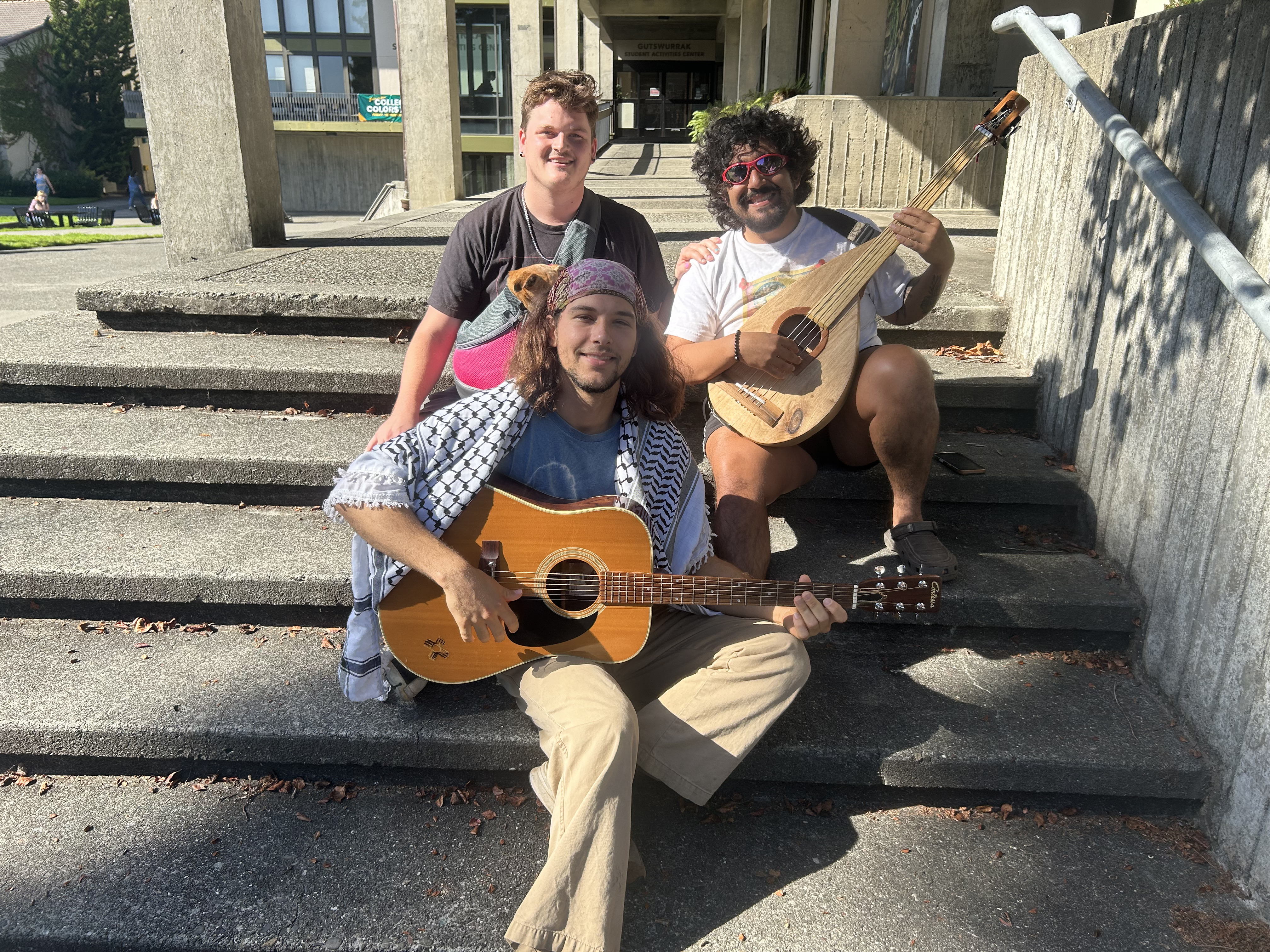
    On any given day, Jack McCann can be found tending to the Campus Center for Appropriate Technology’s (CCAT) native plant garden, hosting Mycology Club hikes in the Arcata Community Forest, or strumming his guitar in a neon tie-dye shirt on campus. As an environmental science major with a focus on ecological restoration, McCann holds a lively passion for all things nature-related. He strives to live this passion through the lens of decolonization, which has translated into his latest project, a native plant zine. 

    McCann first got his foot in the door through learning about mycology and native mushroom species with the help of tools like iNaturalist, a wildlife identifying app. However, his passion for gardening was uninspired at this time, due to his interest in fungi. He recalls being uninterested in planting fruit and vegetable gardens because of the easy access to fresh produce in local grocery stores. It wasn’t until later, when McCann learned about native plant and wildflower gardens and the benefits they can have on local ecology, that he started to become involved in advocating for the process of radical ecological decolonization. 

    “I can feed myself fine, but the creatures that really need help are native pollinators, and all these insects that make up a base of the food web that are essential for ecosystems to function,” McCann said. “Native plants are so underrepresented in gardens wherever you are, so it’s really unique to have a native garden, especially if you collect the seeds yourself and grow local ecotones.” 

    Ecotones are the area of land, flora, and fauna between two biological ecosystems that serve as a transitional zone between the two regions. A large part of McCann’s radicalization has been educating himself on ways of easing the damage done to the environment and restoring land to its natural state. Native plant gardening has opened up the door for McCann to learn and educate people on the effects that colonization has had on the environment. 

    “Decolonizing our relationship [with nature] is essential to the idea behind native plant revolution,” McCann said. “Decolonizing our relationships with the natural world —for me — that is native plant gardening.”

    One of the ways McCann is educating people is through the distribution of his zine detailing native plant gardening through a decolonial perspective. The first edition of his zine acknowledges the work he is willing to do to educate himself, and also invites its readers to contact him with any comments or suggestions. The contents explain the history behind the colonization of nature and ecological systems, as well as how many of these current systems were put in place as an attempt to erase indigenous culture and practices. 

    The zine calls for readers to become involved in the native plant revolution through planting native species and educating people on the ecological dangers of upholding eurocentric practices. As of now, McCann has been distributing the zines by hand on campus. However, he is looking into dropping some off at several local businesses such as Northtown Coffee on G Street. McCann also has plans of possibly uploading a free pdf online. 

    “Everything is built on the people that came before us,” McCann said. “No one is free until we are all free. If you can take care of the smallest insect that seems so insignificant to someone who doesn’t care, then you can ensure the basis of survival. In a world that doesn’t give much credit or see those things as important, it can be a political act to garden native plants if that’s your intention.”

    Mia is a journalism major at Cal Poly Humboldt. She is a reporter and the Life & Arts editor for the Lumberjack. In her freetime she loves attending shows and music events in town. 

  • Community Blooms at the Fungi Festival 

    Community Blooms at the Fungi Festival 

    By Kimberly Alexsandra Madrigal

    As the first day of the 2024 North Country fair came to an end, the inaugural Fungi Festival came alive with its ambient lighting, cozy seating areas, craft beverages, interactive workshops and air filled with the warm sounds of laughter and a live DJ spinning records. Mycology connoisseurs from all walks of life and states gathered to celebrate both community and nature at this one of a kind event hosted by Culture Shrooms Humboldt. 

    Culture Shrooms was founded in Long Beach, CA by Omar Otham in 2020. He was joined by Maximillian Esparza and Axai Hernandez, founders of Mycelium Matters, a nationwide educational mycology collective. As well as Justin and Melissa Wallace, owners of Humboldt based Twisted Trees Nursery, in opening up a Humboldt County location this past April. They emphasize creating and educating others on their various products that include adaptogenic mushrooms, such as lion’s mane and reishi. These mushrooms contain bioactive compounds which assists in boosting one’s immune system, stress release and enhancing mental clarity.  The shop includes a craft-drink bar, various snacks, merchandise, and sells soils from various companies within the mycology industry to get you started on your own sprouts.

    Anushka Pawashe is a Portland local with a psychology background who was in town visiting a friend for their annual reunion. They spontaneously stumbled upon the Fungi Festival, and were glad they did. Their favorite part of the event was the energy and vibes from the people attending the event. Pawashe prefers the friendly positives and enlightening energies to the energies she encounters upon visiting a bar that serves alcohol. She advocates for the ongoing clinical trials of mushrooms to help with various mental health issues.

    “I feel like it’s getting to this bright usage where we’re not just popping pills everyday,” Pawashe said. “We might just need one little session and we’re good for the year, which insurance companies don’t like.”

    Mellisa Wallace is one of Culture Shroom Humboldt’s owners and co-founder of local DinoSoils producing Twisted Trees Nursery with her husband Justin just a few years ago after adopting two tortoises. They started in their backyard and it grew into what it is now — a larger company with its soils sold in various states. She shared that the industry has taught them so much about themselves, the importance of kindness, networking and communication, the people and world around them, and ultimately changed their entire lives.

    “It taught us a lot, I was an entirely different human being when I started twisted trees and so was my husband,” Wallace said. “Just being in the mushroom industry is one of the most beautiful blessings we could have ever experienced in our whole lives and all the trials and tribulations that came with it were with every single ounce of knowledge I’ve gained about myself, the people around me, nature and our world as a whole. We’re very grateful to be in Humboldt.”

    Culture Shrooms Humboldt and their hours, products, events, and workshops are highlighted on their instagram @cultureshroomshumboldt.

  • Injured squirrels in construction site

    Injured squirrels in construction site

    Squirrel Nests Potentially Disturbed By New Building Construction 

    By: Emma Wilson and Andres Felix Romero

    A little after 4 p.m. on Aug. 30, Harper Lacey, a California Polytechnic Humboldt Graduate Student, walked out of their wildlife lab ready to ride home on their bike. Nearby the trees along the fence of the new construction site for the Engineering and Technology building, at the corner of 17th and B street, Lacey noticed a worried staff member had discovered an injured baby Douglas squirrel (Tamiasciurus douglasii). Lacey acted quickly to find and provide aid to the squirrel.

    “I was on the phone with the [Humboldt] Wildlife [Care] Center (HWCC),” Lacey said. “I asked, ‘Hey, do you guys take baby squirrels? I currently have one. It looks like its nose is bleeding.’ [The HWCC said], ‘We take squirrels, can you drive it to us right now?’”

    Acting quickly, Lacey wrapped the squirrel in a shirt and held it in the sun to warm up. Lacey was able to flag down a student they had never met and convinced the student to help drive Lacey to the HWCC in Manila. There, Lacey found out that this wasn’t the first baby squirrel to be found near the construction site.

    The day before, on Aug. 29, senior wildlife student Amelia Hilburn rescued a baby squirrel found near Lacey’s squirrel. Luckily, Hilburn is a volunteer at the Wildlife Center, and knew how to act, but was still worried about the infant’s chance at rehabilitation — a wild animal being able to return to their habitat and live on their own.

    “[The baby Douglas Squirrel’s] eyes were closed, meaning it was still receiving mom’s milk,” Hilburn said. “If you do have a baby animal, it’s harder to rehab them. What they need is their mom [and habitat], but with construction going on and how loud it is, it’s almost impossible to reunite them.”

    Some trees surrounding the construction site of the upcoming Engineering and Technology building were cut down. Although the trees where the squirrels were nesting weren’t cut, there are still concerns that the activity nearby is disturbing the wildlife.

    Lacey was able to follow up with the HWCC the week after they found the squirrel, and found that it was making a good recovery, and it had just opened its eyes. Hilburn shared tips on what to do if wildlife is found and in need of aid before bringing the animal to the HWCC.

    “First assess to see if parents are nearby,” Hilburn said. “If [they aren’t], put the critter in a box. Don’t make it too big or too small. Put in a blanket or heating pad so [the critter] doesn’t lose heat. Do not feed or water the animal, they are way too stressed to even begin to think of eating. Make sure the [box] lid is closed so they can’t escape and are less disturbed by visual stimuli, but provide air in the box.”

    Other Impacts of Construction

    Students had some surprises when they returned to the campus for the Fall 2024 semester. By that point, construction and groundbreaking were underway. One of the results of the construction was the removal of several trees alongside the roads of Wildlife Way and 17th Street. 

    Several exotic trees, some dead redwoods, and a live redwood were removed. As of writing this article, two exotic trees remain. One, from New Zealand, will stay. The other will be transplanted.

    Staff parking and several street parking spots are temporarily unavailable, and through access for vehicles on 17th Street is also temporarily unavailable.

    Campus’ measures to examine environmental impact

    Before breaking ground, the Cal Poly Humboldt campus worked with the environmental consulting agency Ascent to fulfill California Environmental Quality Act (CEQA) requirements for the construction of the Engineering and Technology building.

    The addendum prepared indicates that Ascent and the campus took intense measures to examine the potential environmental impact such as the air quality, greenhouse emissions, (etc.), and California-protected species, such as the white-tailed kite. However, common species such as the Douglas Squirrel are not granted the same level of protection in the state and are considered game by the Department of Fish and Wildlife.

    Aileen Yoo of the Marketing and Communications department confirms that the contractors keep an eye on wildlife activities during projects, and she encourages the community to reach out if there are concerns about capital projects such as the Engineering and Technology building.

    “University contractors take precaution when removing trees or landscape by identifying nests or dens and notifying the University whenever possible,” Yoo said. “We encourage any observations of construction-related activities or issues with our buildings and grounds to be reported to Facilities Management at fmservice@humboldt.edu.”

    The Project details 

    According to the Cal Poly Humboldt website, Planned Construction: 2024-2026, Project Budget: $100,000,000, Funding Source: CSU Chancellor’s Office, Humboldt Project Manager: Kassidy Banducci, Jason Baugh, Project Architect: AC Martin, Project CEQA Consultant: Ascent Environmental, Project Contractor: Swinerton Builders. 

  • Aeronet technology on Cal Poly Humboldt’s Library

    Aeronet technology on Cal Poly Humboldt’s Library

    By Julia Kelm

    It was a sunny Tuesday morning at Cal Poly Humboldt, and students were gathered in the library eager to hear about NASA’s (The National Aeronautics and Space Administration) installation of a state-of-the-art instrument, the Aeronet.

    Elena Lind, the scientist from NASA who assisted with the installation of the technology, gave a one-hour presentation on how the Aeronet worked and what NASA would use it for. 

    Lind is a part of the co-lead of NASA’s Aeronet program and was on campus on Sept. 3 to assist in the setup of the instrument.

    The Aeronet device’s purpose is to measure aerosol properties in the atmosphere, which is captured every 15 minutes. There now are over 500 active sites worldwide capturing this data.

    Sara Hanna is the forestry lecturer that helped orchestrate the process to get the Aeronet onto Cal Poly Humboldt’s campus. 

    “We’re pulling down data right now, our area is very clean here,” Hanna said. 

    The data collected from the Aeronet reflects the air quality in our area, which according to the data is very good.

    Hanna primarily lectures for Cal Poly Humboldt in the Department of Forestry and Wildland Resources. She holds an M.S. from Cal Poly Humboldt in natural resources and a B.S. in environmental systems from UC San Diego.

    Hanna also explained that the data collected from the Aeronet would be accessible to any interested student.

    “That’s really what I’m most excited about, is just getting students in on it,” Hanna said. “Having stuff that’s actually happening here on campus — and us being able to contribute to part of this larger mission of NASA.”

    Students who were there at the presentation also seemed eager to use the collected data from the Aeronet project. 

    Christina Bewley is a geology major with a minor in applied mathematics and geospatial programming at Cal Poly Humboldt. Bewley thinks the data from the Aeronet could be beneficial to her research with her ongoing work with CalTrans and the California Coastal Commission related to climate change and sea levels.

    “Hearing about this opportunity, that they’re installing a new sensor on top of the library,” Bewley said. “That can particularly help with measuring things related to climate change and ecosystems off the coast was particularly interesting to me.”

    The Aeronet site should be a worthwhile piece of technology for years to come—as long as there’s always someone to take care of the site. 

    Hanna explained that the Aeronet needs regular maintenance to ensure that the site stays operable. This means interest in the project is vital for it to stay functioning.

    “I do wanna get a sort of solid network of other professors and researchers on campus that are interested in doing it,” Hanna said. “That way it doesn’t get lost.”

    If you’re interested in viewing the data collected by the Aeronet please view the link below.

    View the data collected by the Aeronet