The Lumberjack


Students Serving The Cal Poly Humboldt Campus and Community Since 1929

Category: News

  • An attempt at rent control

    An attempt at rent control

    Proposition 10 rally held near Humboldt Property Management

    Humboldt State alumna and chairman of the Green Party Kelsey Reedy is an unexpected candidate for someone affected by homelessness. She is one of many in Humboldt county facing this prevailing issue.

    “I worked full-time and couldn’t afford housing,” Reedy said. “Even when I was a student I had to live in McKinleyville or Eureka because I couldn’t afford housing in Arcata.”

    Reedy works full time for multiple non-profits in the Humboldt area and is a part of the many community members and students affected by high rental prices. Reedy said those who have housing now might be affected by any extra bill or cost, which can undermine the situation and result in losing housing altogether.

    “I was just barely making rent before,” Reedy said. “So now that I had another bill I couldn’t afford rent anymore.”

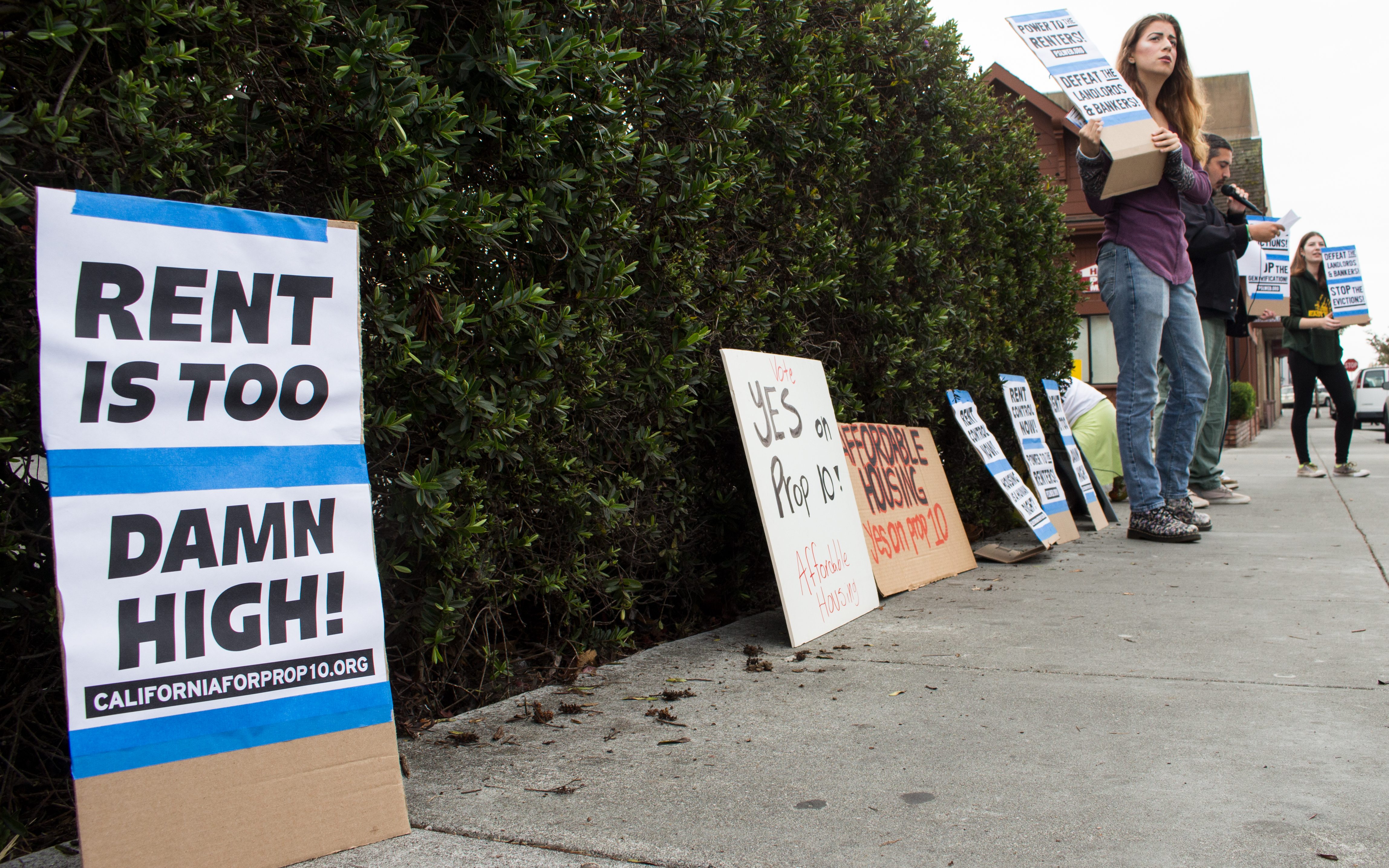
    On Oct. 24 the Green Party and Humboldt chapter of the Party for Socialism and Liberation held a rally near the Humboldt Property Management building in support of Proposition 10.

    TW.openforum.IMG_8452.jpg
    Prop 10 would repeal the contra hawkins act and allow for future rent control to be voted on. Eric Rydberg, a local community advocate, participates in a rally to gain support for Prop 10 in Arcata on Oct 23 2018. | Photo by Tony Wallin

    Prop 10 is a California proposition that will allow county boards to regulate and implement rent control. This is a direct challenge to the Costa-Hawkins Rental Housing Act of 1995.

    Although there are many complicated stipulations within the law, one of the main supporting arguments of the Costa-Hawkins act was that it would increase the incentives for developers to build more housing, thus flooding the housing market. This, in theory, was supposed to make renting cheaper as there would be more competition.

    Local community advocate and candidate for McKinleyville’s Community Services District Board of Directors Eric Rydberg, feels that is simply not true.

    “Since (the passing of Costa Hawkins Act) we have seen that California’s housing problems can be sourced to it,” Rydberg said.

    Rydberg said the Costa-Hawkins Act was billed by Democrat and Republican politicians as something that it was not.

    “They sold it as something that will allow us to build more (affordable) housing,” Rydberg said. “We can see they are not building more low income housing and are building more luxury condos and apartments.”

    Rydberg explained how he thought that gentrification compounded with income inequality has made situations in different counties across the state similar in regard to the rental housing crisis. Rydberg says this is why we need to have local counties regulate the tenant and rental market crises.

    “What this is doing is just giving municipal governments the opportunity to take a look at it and make decision for themselves (the community),” Rydberg said.

    Many advocating for yes on Prop 10 say it is a way to facilitate a conversation between landlords and tenants to come to the best understanding on what to do about rent control.

    Roger Tuan, an HSU student and local community advocate for yes on Prop 10, said this is a way of keeping what many consider the characteristics of Humboldt within the community.

    “Part of the charm of this place is that its is not Portland, Seattle or San Diego,” Tuan said. “We have our own unique characteristics here.”

    Tuan said this comes from the cohabitation of students, landlords, community members and small time businesses. He said he fears that gentrification and over priced rental markets will chip away at Humboldt and Arcata’s community and supposed charm.

    “They’re here as landlords but also here as part of the community and hopefully there is something about this community that they love and think is worth protecting,” Tuan said.

  • Cultural appropriation is not culture appreciation

    Cultural appropriation is not culture appreciation

    Student continues project to educate others on cultural appropriation

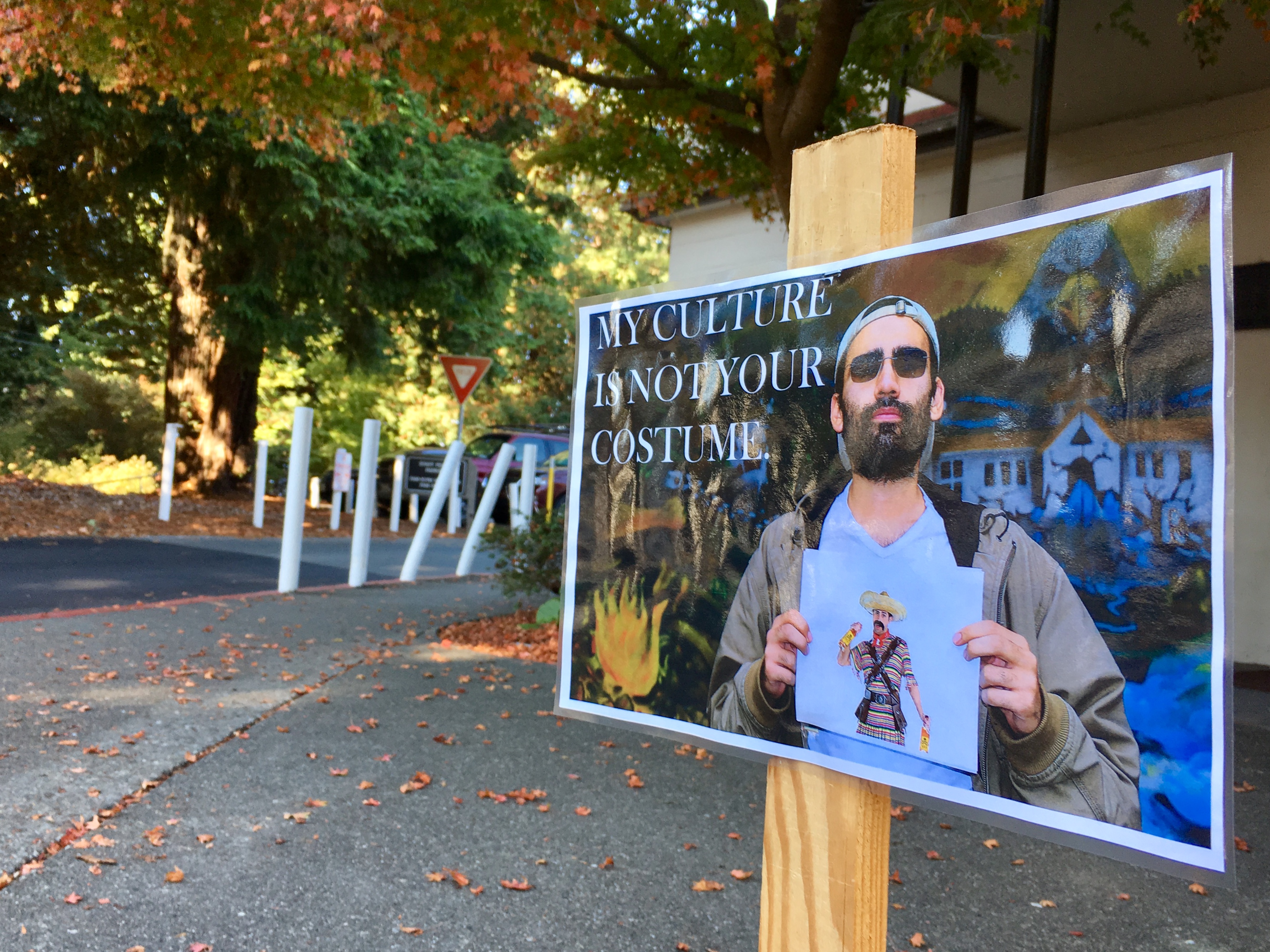
    Scattered throughout Humboldt State University are signs of student activist holding a simple message: My culture is not your costume.
    There are 17 signs total, mostly staked throughout the library and quad areas. Each one features a number of student activists and leaders addressing costumes and other offensive representation of their cultures.

    The project is the brainchild of Deema Hindawi, a junior majoring in Criminology and Justice studies. Hindawi adopted the idea from a project started at Ohio State University. Last year the Multicultural Center printed out the OSU flyers and spread them throughout HSU, but this year Hindawi and the MCC decided to use students from HSU.

    “We were trying to get student leaders because these are people that you see a lot,” Hindawi said. “You see their faces a lot, you see them doing different actions.”

    The flyers are staked with the permission of the university. Hindawi and the MCC felt that the message was important because of the unrealistic representations featured in caricaturized costumes.

    “You are taking someone’s culture and you are just twisting it in any way you want,” Hindawi said. “You are not taking into account what it actually is. You’re just taking what you think is cool and twisting it. You are simplifying something that is actually a lived life.”

    Last year over half of the signs were missing when Hindawi went to retrieve them at the end of the event. Some of the signs this year have turned up missing, as well as one that was vandalized.

    “Facilities is supposed to send an email to clubs or us, saying that they took them down, but we haven’t heard anything,” Hindawi said. “We had one poster that within a day of being put up, it was vandalized. They took the poster off the stake and they wrote on it.”

    The sign was by the rock art installation at the bottom of the stairs that lead to the art quad.

    The message written on the sign was incoherent: “Which culture this? What is the point? Stay opened mind (sic).”

    This vandalism and the missing signs have not dampened Hindawi’s spirits. She plans to host a discussion alongside MCC Coordinator Tania Cubas on Monday Oct. 29 from 11 a.m. -12 p.m. in the Goodwin Forum in Nelson Hall.

    The discussion will focus on cultural appropriation versus cultural appreciation. Hindawi said the main difference between the two is understanding the context in which certain dress ware is used and to use it with respect of that culture’s values.

    “Cultural appropriation is when you take a culture and you make it what you want. You dress the way you want, you act the way you want within that that culture. You don’t really know what is going on, you are just taking it.”

  • Seismic Retrofitting a Seismic Pain

    Seismic Retrofitting a Seismic Pain

    The Humboldt State Library and Theatre Arts building are undergoing a seismic retrofit starting from fall 2018 to summer 2019. The retrofit is meant to strengthen the steel and concrete structures.

    Effective Monday Oct. 15 many popular roads surrounding the Theatre arts building and the library are now closed for construction. Humboldt State students share their thoughts on the library and Theatre Arts seismic retrofit detour.

    For more information please visit https://facilitymgmt.humboldt.edu/capital-projects

  • Week of Remembering Josiah

    Week of Remembering Josiah

    Charmaine Lawson travels to CSU campuses with SQE and CFA

    It has been 18 months since the death of Humboldt State University student David Josiah Lawson. His murderer still walks free and case remains open.

    Charmaine Lawson, Josiah Lawson’s mother, spoke at Sacramento State on Oct. 15 on a panel with Justice for Josiah committee member Jill Larrabee, and Courtney Wagner, the director and editor of “Unsolved Hate,” a documentary of Josiah Lawson’s murder.

    Sacramento State was one of many campus stops for Charmaine Lawson during “Week of Action,” an event put together by Students for Quality Education to remember Josiah and discuss safety and the CSU’s accountability of Josiah Lawson’s murder.

    Twenty-one of the 23 California State University campuses participated in “Week of Action.” Lawson was invited to CSU San Francisco, Sacramento, Pomona and Fullerton.

    “I never thought I’d be sitting here right now,” Charmaine Lawson said, “We have gotten so much attention because of students.”

    Charmaine Lawson has also gained support of the California Faculty Administration. Charmaine Lawson said CFA has been amazing in the effort to hold the CSU accountable for Josiah Lawson’s murder and to better protect students.

    TW.charmaine.IMG_8408
    Charmaine Lawson (center) said she has been greatly supported by students and CFA in trying to hold CSU accountable for the murder of her son, David Josiah Lawson, who was a HSU student. Charmaine was in Sacramento on Oct. 18, 2018 and has travelled to four other campuses during Weeek of Action. | Photo by Tony Wallin

    Charmaine Lawson said that the CFA is helping by making postcards for people to sign, asking Humboldt County DA Maggie Fleming to excuse herself from the case.

    “CFA has been instrumental in their action plan and their resources,” Charmaine Lawson said.

    Charmaine Lawson told the crowd of CSU faculty, students and parents that she has had resistance from city officials, law enforcement and HSU administration since the beginning of the case.

    For months, when the case was being first investigated, Charmaine Lawson said Lt. Todd Dokweiler told her she could only speak with police chief Tom Chapman. Charmaine Lawson said that Chapman was telling her false information and has since resigned from the police force.

    “Chapman lied by saying San Jose and Eureka were helping with the case, but none of that was true,” Charmaine Lawson said.

    Charmaine Lawson said Arcata City Manager Karen Diemer, defended Chapman when she confronted her about Chapman’s lies.

    “She defended the presence of the city instead of exposing the city for what it really stands for,” Charmaine Lawson said. She said Diemer needs to go next.

    When she tried to contact HSU President Lisa Rossbacher about her son’s murder, Charmaine Lawson said she never got a response. She said she called her twice and has yet to get a call back. Rossbacher’s resignation as HSU’s president is effective June 30, 2019.

    “Lisa Rossbacher hasn’t even called me to offer her condolences,” Charmaine Lawson said.

    TW.charmaine.IMG_8415
    Jill Larrabee, Justice for Josiah committee member, Margarita Berta-Avila, CFA president at Sac State, Charmaine Lawson, mother of Josiah Lawson, and Raul Tadle, faculty at Sacramento State University on Oct. 18. | Photo by Tony Wallin

    Sacramento State CFA president Margarita Berta-Avila said one of the problems with the CSU system is recruiting potential students of color without informing them all the details of their possible future environment. The details that aren’t shared include the amount of students of color admitted and how isolated the area may be. Berta-Avila said there should be institutional policy guaranteeing new students will graduate and be safe.

    “It shouldn’t be when someone is killed that change occurs,” Berta-Avila said.

    Berta-Avila said the CFA got involved when Charmaine Lawson met with CSU Chancellor Timothy White. Berta-Avila said that when Charmaine Lawson stood in front of CSU administration to speak of her son’s murder, a police officer walked behind her and put his hand on his gun. Berta-Avila said that was the moment when CFA had to pursue action.

    “The violation doesn’t stop — it continues off campus,” Berta-Avila said.

    Jorge Quintana, a leader of Students for Quality Education at Sacramento State, said there is a difference between recruiting and having available space. Quintana said CSUs don’t hold safe spaces for students of color. Quintana said moving forward means addressing the shortcomings of the university regarding safety and to make sure protocol is followed.

    “It is CSU’s responsibility to keep us safe,” Quintana said.

    Quintana said if the HSU president didn’t call Lawson and CSU hasn’t done anything to help, then this is clearly an issue for students of color. Quintana said CSU hands are tied now that a student has died. Quintana said this is when educating students is needed.

    “Whats most important is to remember Josiah,” Quintana said.

    Quintana said CSU only cares when students are only doing good, but once they’re off campus or even struggling they stop caring. He said they have a choice on who gets admitted and who stays, but don’t have a choice of being students of color.

    “Systemic racism and micro aggressions are happening all over CSU campuses,” Quintana said, “There are more police officers than counselors.”


  • Student Assistants laid off after department merge

    Student Assistants laid off after department merge

    4 Housing and Residence Life maintenance student assistants have been laid off

    Editor’s Note: It should be noted the Lumberjack’s News editor was a laid off student assistant.

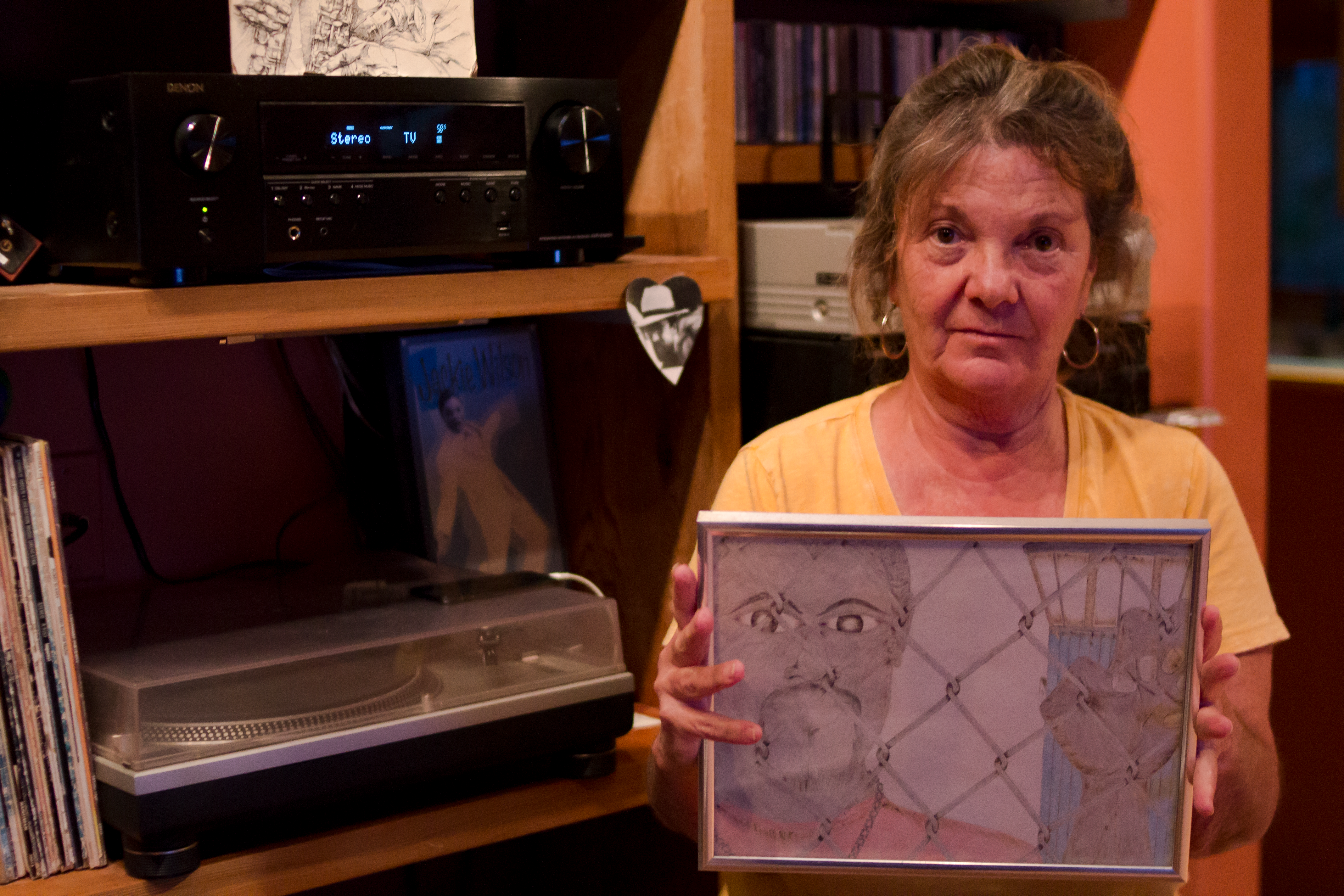
    Computer Science major, Zach Pole, was laid off before this fall semester. The rest of his coworkers lost their jobs as well. Pole said the money he earned paid for everything, such as his housing, phone bills, school necessities and the braces he once had.

    Pole worked part time for Housing as a maintenance student assistant for two years. Pole soon found out the work given to him wasn’t what he was supposed to be doing.

    Director of Housing and Residence Life, Stephen St. Onge said over the past five years, the number of Housing and Residence Life maintenance student assistants has decreased. There used to be 10 student assistants, then six, then four, now none.

    “The student assistant’s job was to assist the tradesperson,” St. Onge said. “Students can carry tools, and help support the person doing the work, but they can’t be doing the work themselves.”

    However student assistants did more than assisting the tradesman.

    “As silly as it sounds, we weren’t supposed to change a light bulb, or touch any tools,” Pole said. “Randy Davis was going to strictly enforce that. He saw we wouldn’t be doing anything, so he laid us off.”

    Randy Davis is the current Facilities Management Manager.

    Over summer, Facilities and Housing merged into one department. The Associate Director of Housing Facilities, Steve Mackenzie, was previously in charge of the student assistants.

    After Mackenzie was fired, Davis took over as the Facilities Management Manager. Along with Davis’ new position came the responsibility of student assistants.

    “Technically yes, student assistants were doing jobs they weren’t supposed to be doing,” Davis said. “They were making screens and changing light bulbs where there’s potential arc flash, and electrical safety issues.”

    English major, Kaitlin Stanfield worked as student assistant for maintenance for less than a year. She completed work orders, fixed vacuums, looked at heating units and de-lofted beds.

    “We weren’t supposed to use any tools like drills,” Stanfield said. “But we could make screens, all we had to do was saw frames.”

    Stanfield said she wasn’t given a straight answer to why she was let go. Initially she was told there wasn’t enough money in the budget.

    “I have also heard we weren’t needed,” Stanfield said. “I also heard that Randy Davis, the guy in charge, didn’t want to deal with us.”

    Davis said he didn’t fire student assistants because he didn’t want to manage them. He fired them because Housing was not complying with the Collective Bargaining Agreement.

    Stephen St. Onge said student assistants weren’t laid off due to a budget issue, but rather a health and safety issue.

    The Collective Bargaining Agreement is a contract between employees who are a part of a union and the employers. There are 13 different types of union, each with their own unit under the agreement.

    The type of work student assistants were doing was unit six work. That work is meant for tradesmen, which includes electricians, plumbers or carpenters.

    Tradesmen came to me saying, ‘now you’re in charge’ what’s going to happen moving forward?” Davis said. “We have student assistants doing our work, and they shouldn’t be doing our work.”

    Under the Housing’s and Residence Life job descriptions, it states student assistants working for maintenance can use drills, saws, hand tools and ladders. The job description contradicts the reasoning behind management’s decision to fire the student assistants.

    Despite management saying student assistants weren’t supposed to be doing unit six work their jobs didn’t end immediately. Before their last day, management told them to change batteries for each key carded door.

    “We have these students through August, we will use them to do our planned work,” Davis said.

    The doors included every entrance door and room door in the residence halls. Each battery took ten minutes.

    “A few thousand battery change outs needed to happen. They used minimal tools. They probably shouldn’t have been doing that,” St. Onge said. “Personally I wasn’t concerned about safety for using a screwdriver.”

    St. Onge said the union has a powerful voice, but insists that firing the student assistants wasn’t a union decision but a management decision.

    “It’s not the student assistants fault, they did nothing wrong,” St. Onge said. “Facilities had no student assistants working in area six, in Housing we had four. We shouldn’t have had any.”

  • Consent project a reminder of empowerment

    Consent project a reminder of empowerment

    Check-It’s eighth annual event promotes empowerment and support

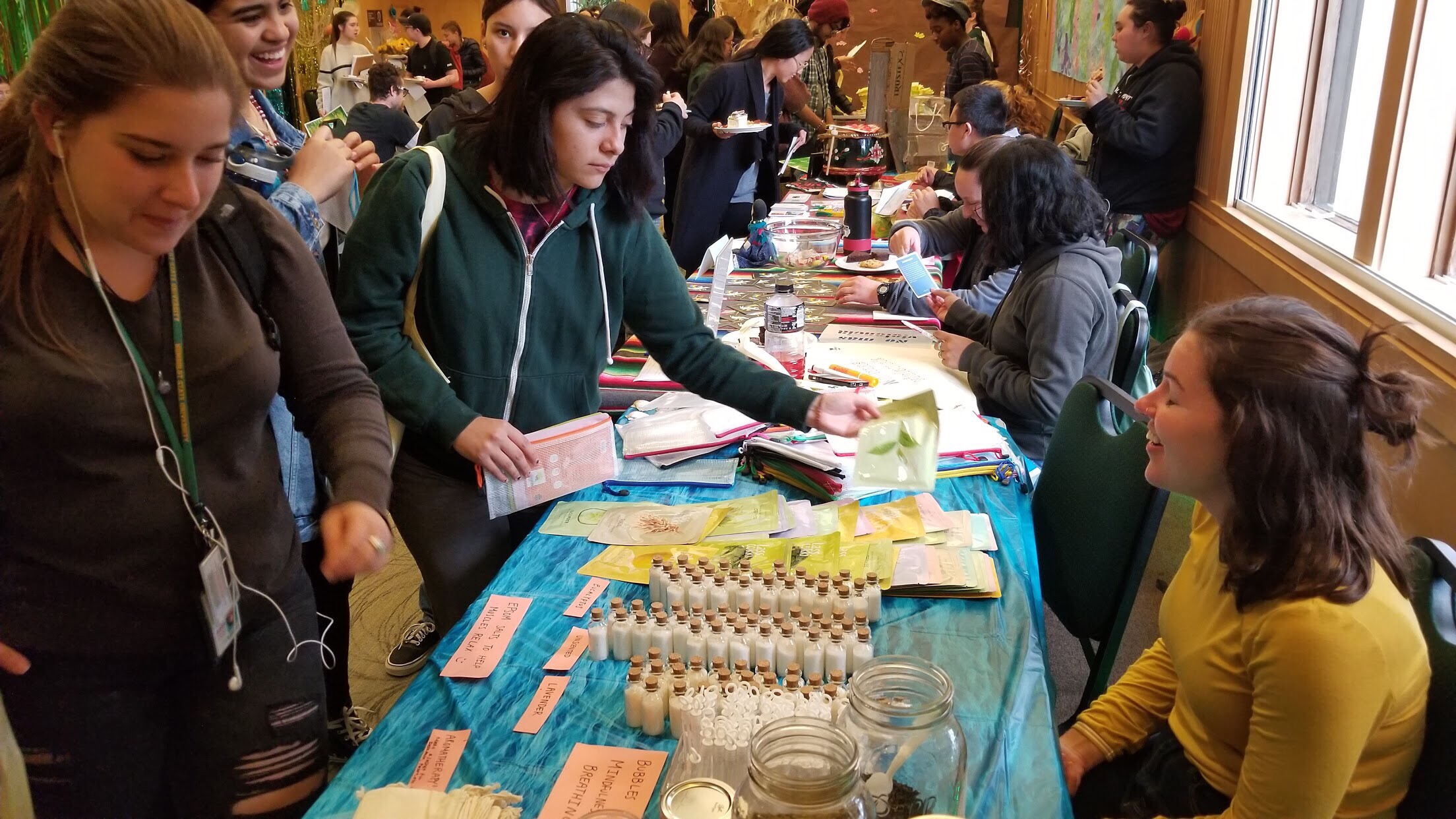
    The Consent Project, a seminar session at Humboldt State University on Oct.16, was hosted in an effort to create a more consent and survivor centric campus.

    Stands with activities and campus resources were set up in the Kate Buchanan Room for students of all genders to participate in.

    Juliet Kallen, pure health educator, set up a “self-care pack” stand, filled with salts, aromatherapy herbs and facial masks.

    “We let you do what you want,” Kallen said. “We offer products that help take care of the body, because that is important.”

    Dalia Rivera, another pure health educator, set up a stand called the “community mural” where students can write and draw what is consent to them.

    “For me, consent is good communication with your partner,” Rivera said.

    The Campus Advocate Team was also at the event to offer help for people who are victims of sexual violence.

    Haydee Carrillo, bilingual client advocate for CAT, contributed to the project by describing some of the things that CAT does for students.

    “We offer free 24/7 anonymous calls for those who were victims of violence,” Carrillo said. “Title IX gives us the ability to help students of all genders.”

    Title IX is a federal law that prohibits sex discrimination in education. Regardless of gender identity, students have access to resources like CAT to help them if they are victims of rape and sexual violence.

    According to the Clery Act posted by Humboldt State campus police on Sept. 5, there have been two cases of dating violence and one case of domestic violence that occurred on campus in 2017.

    “This is a space for victims to be listened to,” said community outreach coordinator for CAT Paula Arrowsmith. “With all this news that’s been coming out lately, it has victims fall silent, and never speak of their abuse and struggle.”

    At the end of the seminar, an hour was dedicated for the students who are survivors of sexual violence. An open mic was allowed for survivors to speak of their abuse and their trauma.

    “It’s brave to come up to strangers and tell of your abuse,” Arrowsmith said. “For those who don’t come up tonight because you’re afraid, you’re also brave for listening.”

    For those who need help dealing with sexual violence, domestic violence, stalking, and/or sexual harassment, call or visit these organizations:

    CAT’s 24 hour Hotline: (707) 445-2881

    TTY Line (M-F 8:30-5:00): (707)-443-2738

    https://www.checkithsu.com/

    www.ncrct.org

  • Two Things the Media Get Wrong About Sexualized Violence

    Two Things the Media Get Wrong About Sexualized Violence

    Humboldt State University professors discuss media coverage of sexual assault 

    A discussion panel on media coverage of sexualized violence will be hosted by Journalism Professor Victoria Sama and Communications Professor Maxwell Schnurer.

    The discussion will take place in Founders Hall 118 on Tuesday, Oct. 23 from 4:30 p.m. to 5:30 p.m. The discussion will also be free and open to the public.

    In their panel, “Two Things The Media Get Wrong about Sexualized Violence,” Sama and Maxwell will be taking a look at language and strategy used by the media in sexual assault cases.

    Sama has researched how publications report sexual assault cases since 2003 and Schnurer has focused his research on social movements, language, power, and freedom.

  • Missing but never forgotten

    Missing but never forgotten

    Unsolved indigenous people’s cases not a priority for law enforcement

    Khadijah Britton, a 23-year-old of indigenous descent, went missing on Feb. 7 in Covelo, California. Britton’s abusive ex-partner was a suspect but because Britton’s body was—and still is—not found, the ex-partner was released.

    Cases like Britton’s disappearance are fairly common with many more indigenous people still missing all over California.

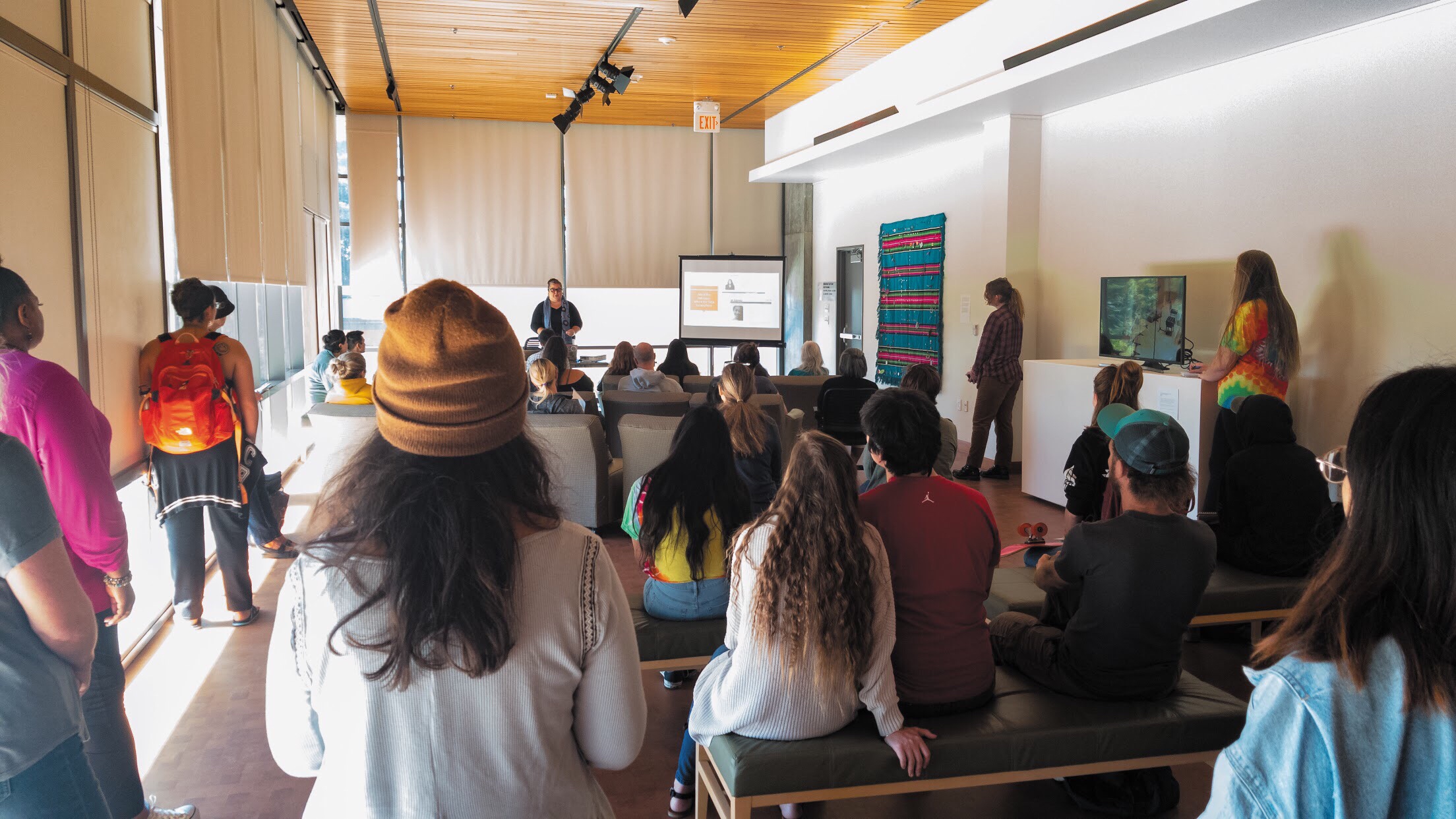
    Annita Lucchesi, researcher and resident of Humboldt County, came to Humboldt State University on Oct. 12 to present to students her findings on missing indigenous people.

    “We can’t address violence we don’t talk about,” Lucchesi said.

    Lucchesi brought up issues like police pushing aside missing indigenous people cases and waving off their disappearance as “runaways.”

    According to Lucchesi’s findings, about 93 murders and disappearances remain unsolved in California. 25,000 to 30,000 indigenous people have gone missing or have been murdered in the United States and Canada since the 1900’s.

    Lucchesi’s researched police documents, obtained through the Freedom of Information Act requests, include news articles, e-mail respondents and social media posts.

    “A lot of the police departments have been very helpful with providing documents,” Lucchesi said.

    HSU student Jen Tatman was surprised with how recent some of the cases were.

    “This is more prevalent than ever,” Tatman said.

    Charley Reed and Daniel Anderson, both students from HSU, left the presentation recognizing the problems with cases of missing indigenous people going cold.

    “In order to heal the wound, we first need to recognize that there’s a wound in our community,” Reed said.

    “Everyone has a role to play, everyone should get involved,” Anderson said.
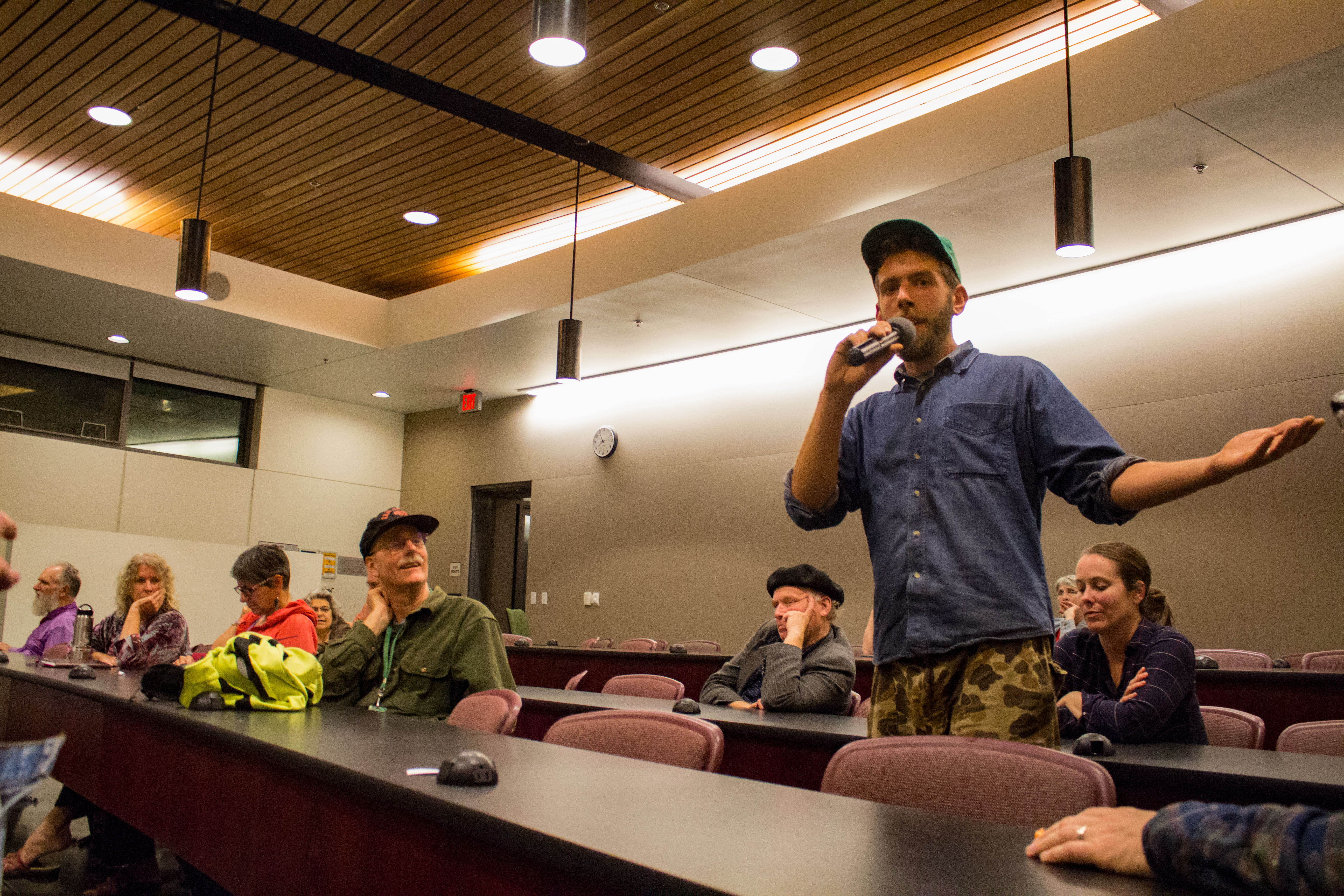
    Lucchesi’s presentation also provided some solutions to bring the high rate of missing indigenous people to attention.

    “Call your local law enforcement, make FOIA requests for these cases,” Lucchesi said. “Building interests in solving these cases, is a community driven effort.”


    The article has been updated with a name correction and corrected 1970’s to 1900’s. 10.22.18
  • Community still demands ‘Justice for Josiah’

    Community still demands ‘Justice for Josiah’

    Police are past their estimated time for solving the more than one-year-old crime

    He was smart. He had goals. He came to Humboldt to avoid the challenges of South L.A.

    These words were spoken outside of Arcata City Hall by Karim Muhammed, a friend of David Josiah Lawson. Lawson was murdered on April 15 2017 and his case still remains unsolved.

    Discussion on race and safety in the community were the main subjects amongst community members on Oct. 15. Tears streamed down faces as homemade posters of Lawson were hung on the walls in front of Arcata City Hall.

    Muhammed met Lawson their freshman year in the dorms at HSU. He said he misses Lawson and was at his dorm everyday.

    “He was one of the first people I met when I moved to Humboldt,” Muhammed said.

    Muhammed said he thought Arcata was safe compared to south L.A but that isn’t his experience. How to keep moving forward he said is to bring awareness and continue to inform incoming students about Lawson’s murder.

    “We need to get it solved, get new people in power, get people informed and vote,” Muhammed said.

    Muhammed said the goal is to make the community safer but many people in the community are still oblivious to the death of Lawson or they just don’t care. When he learned of the roster release of the HSU’s predominantly African American student clubs to the Arcata Police Department, Muhammed said that was a big red flag. He said this shows where they stand with the situation and further proves their indifference.

    “People choose what they want to believe or they just don’t want to believe,” Muhammed said.

    Meg Stofvsky, a retired school psychologist, said the vigil’s are held to continue remembering Lawson as well as inform people who are new in the area. Stofvsky was representing Charmaine, Lawson’s mother, and said Charmaine has caught the interest of the California State University system about her son’s murder. She said Charmaine has been travelling to other CSU’s to talk about safety on campus and will be in Sacramento later this week.

    “We need a firm insistence we are not going to continue to let this happen,” Stofvsky said.

    It has been 18 months since Lawson’s murder and Stofvsky said the county seems to be sliding backwards. She said we need to continue having resilience and hope and to keep the Arcata Police Department accountable. Stofvsky said the APD recently gave a six to eight week time limit to solve the case and that limit is up.

    “We hear a lot of talk about progress from the APD but we haven’t seen any,” Stofvsky said.

    When Charmaine Lawson comes into town for court hearings or monthly vigils she stays at Sharon and Michael Fennell’s house. Both are HSU alumni and have been proponents seeking justice for Lawson. Sharon Fennell, was a KHSU DJ under the name Sista Soul and said she met Charmaine at the second vigil held for Lawson.

    “We show up once a month. This is a beautiful thing and Charmaine knows,” Fennell said.

    Fennell offered ideas to start selling “Justice for Josiah” shirts at the HSU bookstore to continue to bring awareness of his murder. She said that way Lawson would be seen more on campus and students would be reminded of what happened. A conflict Fennell has is that students come to HSU but then leave after they graduate, which keeps Humboldt from changing.

    “People need to come, stay, build businesses and change the community,” Fennell said. “If not we stay 80 percent white. Boring.”

    A member of the “Justice for Josiah” movement, Jill Larrabee, said actions by CSU and California Faculty Association are starting to take hold regarding safety on campuses but society needs to change. Larrabee said we need to learn, educate, heal and grow and get more people in office.

    “Humboldt County has the good ol’ boys club in power,” Larrabee said.

    To move forward Larrabee said white people need to converse with other white people about racism. Larrabee said racism is still a big problem here in Arcata but more and more people are coming out and acknowledging their privilege.

    “When we hear white people say we can’t guarantee safety, then we are going to demand it,” Larrabee said.

  • Jacks losing streak continues

    Jacks losing streak continues

    Lumberjacks volleyball is 0-11 in conference play

    The Lady Jacks volleyball team showed great effort at their home game against the Cal State Los Angeles Golden Eagles but ultimately fell in straight sets 3-0.

    Lady Jacks middle blocker Hannah Cantrell was able to return to her preferred position after some roster shake ups.

    “It felt amazing! After taking a break from the middle for the past couple of matches it felt good to be back in the position I know best,” said Cantrell. “I was pretty fired up to say the least.”

    In what was a competitive first set, both teams racked up kills but the Golden Eagles took the set 25-22.

    The Golden Eagles led the second set with seven kills over the Jacks total of three. The Lumberjacks tried to rally to match L.A before the end of the set but could not complete the comeback as the Eagles took the set 25-17.

    “We are having a rough season for sure,” Jacks head coach Kelly Wood said. “We’re a young a team and we’re working on development and growing every week.”

    With a significant amount of the players this season being freshman, it definitely changes things a bit.

    The Jacks began the third set and took an early 8-5 lead over the Golden Eagles but their success was short lived. L.A took over and won the game in three straight sets with a final of 25-16 in the last set.

    Even though the Jacks were dealt another loss, Coach Wood seemed to know exactly where she and the team stand.

    “We are trying to keep things into perspective and just keep getting better,” said Wood.

    Hannah Cantrell has remained optimistic and consistently exhibits a ‘never say die’ attitude on the volleyball court.

    “My goal for the rest of the season is to stay as consistent as possible, and continue to play as hard and as confident as I can,” Cantrell said.

    The Lady Jacks move to 3-16 overall and 0-11 in conference play. They will travel to SoCal as they go against the UC San Diego Tritons Oct. 19 at 7 p.m.

  • Retirement rhetoric

    Retirement rhetoric

    California State University Chancellor answers questions on Rossbacher retirement

    The process for Humboldt State University President Lisa Rossbacher’s retirement is underway and controversy looms in the search for a replacement.
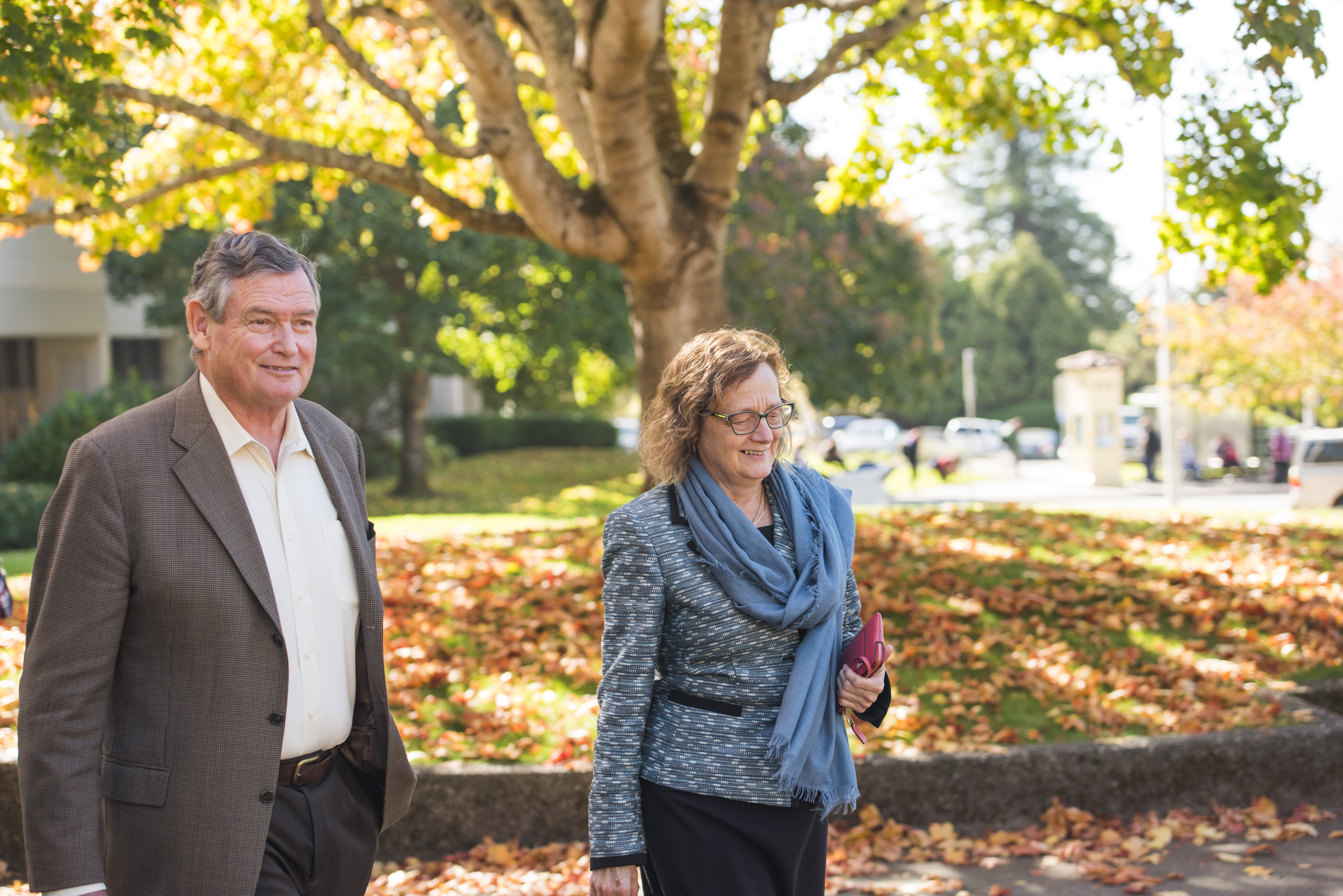
    CSU Chancellor Timothy White visited HSU on Oct. 9 to discuss the process of retirement for Rossbacher.

    “We will be back on campus in early February,” White said. “With a joint committee of trustees, myself and many members of the community here.”

    White said that the committee will also consist of an Associated Students member, staff, faculty and a university stakeholder representative. This committee will be used to create a job description for the presidential position so the best applicable candidates can apply. Ultimately the initial 40-60 applicants will be reduced to around six final candidates.

    The final six will have in person interviews at an undisclosed airport hotel on a tentative date in either March or April. From this group of six three finalists will be presented to the board of trustees of the CSU system in Long Beach sometime between May 15 or 20.

    “At the end of the day they are the ones who have the authority to make the final decision,” White said. “They are the only ones with the authority to do that.”

    White mentioned the controversy that has surrounded Rossbacher’s presidency as well as communications with HSU community on major decision making.

    “I don’t anticipate that any president on any campus will not have controversy,” White said. “The question is, how do you go into things that are difficult and engage the right people.”

    White said he believes decisions made at HSU were made in full discussion with “local stakeholders,” as well as with those who work across the CSU system.

    He touched on how these decisions are difficult to make across the CSU system and how many are a result of the lack of resources in our educational system.

    “There is always more demand then we have capacity for and it’s not if the decision making has been easy,” White said.

    White met with Arcata Mayor, Sofia Pereira, City Manager Karen Diemer, Interim Chief of Police Richard Ehle and other law enforcement and city representatives to talk about new information and their perspectives on the David Josiah Lawson murder case. While White could not provide any new details or information he has learned about the case, he was able to touch on his meeting with student representatives and organizations.

    44491359784_37ca4a6a55_o
    CSU Chancellor Timothy P. White with the Arcata Interim Police Chief Richard Ehle on Oct. 9 at HSU. | Photo courtesy of Humboldt State University

    “[Student feedback] was wide ranging and obviously everyone agonizes over Josiah’s death,” White said. “We had a conversation about safety, both emotional and physical safety, and about microaggressions.”

    White was also asked if he had notified Charmaine Lawson that he was coming to HSU to meet with both student and law enforcement representatives to talk about Josiah Lawson’s case and safety for people and students of color here on campus and off.

    “Not to my knowledge, no,” White said.

    When asked directly about a lack of safety for people of color here on and off campus, White said safety is the CSU system’s ultimate goal whether it was being achieved or not.

    “I want to be very clear of the goal,” White said. “I want our campuses to be welcoming and inclusive, so anybody, regardless of their background and their demographic can be a successful student.”

    The question of how the hiring process will address HSU’s lack of diversity between students and staff was also asked. While White did not give a solid plan to address this problem, White did say that he would like to make cultural changes and not just address this problem numerically.

    “It’s one thing to have numbers and say ‘haha we did it.’ That’s superficial,” White said. “It’s whether you have a range of people of different backgrounds coming together in a community to inform and educate the next generation.”

  • Coast Guard gears up

    Coast Guard gears up

    Humboldt Bay Coast Guard prepare for the worst at Big Lagoon

    Despite a barbecue filled with pulled pork and dogs begging for attention, a meeting was held at Big Lagoon Campgrounds in Trinidad with an ominous purpose. Though the setting was light-hearted, the crew donned orange and black suits, preparing for the worst case scenario.

    “The swimmer is basically dragging you through what seems like a monsoon or a mini-hurricane from the rotor wash coming off the helicopter,” said aviation mechanic Matt Lareau, age 28 from Springfield, Massachusetts, still wet after being hoisted up to the helicopter for the first time.

    More than 40 members of the Coast Guard aviation unit went to Big Lagoon on Oct. 11 to practice their annual “wet drills.” The drills involve four training scenarios built around surviving a helicopter crash. The training covered raft and swimming drills, pyrotechnic training with flairs, land survival and vest itemization drills.

    Chief rescue swimmer Chris Razoyk, age 40 from Haverhill, Massachusetts, said this training was a chance for the crew to come together and become well acquainted with procedures before they are in a stressful situation.

    “Today is a good opportunity for the flight mechanics, pilots, whatever, to get a feel for what it’s like to be under the helicopter,” Razoyk said. “And to feel what it’s like for us, for them, to be in a real situation.”

    DC.IMG_7864
    Matthew Lindblad sets off a smoke flare at one station of the annual Coast Guard aviation training Oct. 11 at Big Lagoon Campground in Trinidad. | Photo by Deven Chavannes

    The crew wore neon orange flight suits resembling space suits and waded out into the lagoon to learn how to stay afloat and wrangle each other into a raft of bad scenarios. They also wore bulky black vests to carry survival essentials that weigh 30 pounds on their own.

    Avionics electrical technician John Kummerer, age 28 from Columbus, Ohio, experienced his first round of wet drills.

    “It’s good to know what you have to do, in case god forbid you do go down,” Kummerer said.

    The land survival lecture covered the use of sticks and clothing to create makeshift splints in the event of a land crash involving injuries. Interesting tidbits, such as peeing onto cloth to make it stronger, as made famous in the movie Shanghai Noon, were dispensed to educate the trainees and to also keep the mood light, in opposition to heavy training.

    Kummerer found the lecture to be not only helpful in the event of catastrophe at work, but in day to day life here in Humboldt.

    “You’re hiking and you don’t have any of that gear on you and you realize that you can use sticks, rocks, whatever for tourniquets,” Kummerer said.

    Kummerer may have more use for this practical training now that he’s found a new passion here in Humboldt: disc golf.

    “I had never even heard of it until I moved here,” Kummerer said. “And now I love playing disc golf.”

    About a dozen pilots and technicians in the lagoon waited for their turn to be lifted up into a hovering helicopter and dropped back down again; a drill that simulated what rescue swimmers and victims experience during a real rescue operation. For some trainees, it was for their first time.

    DC.IMG_8098
    A helicopter hoists up the Humboldt Bay Coast Guard at the annual Coast Guard aviation training Oct. 11 at Big Lagoon Campground in Trinidad. | Photo by Deven Chavannes

    Lareau had his first experience being lifted out of the water during these drills. Lareau said he wasn’t scared of the experience at all.

    “The guy that was hoisting us up, I work with him every day,” Lareau said. “So I have really no doubt in my mind that everyone up there has our best interest in mind.”

    The crew in the Coast Guard have dangerous jobs, but they are a tight-knit group, which makes the job, and living in a secluded place like Humboldt County, a little easier.

    “Everybody makes sure that you don’t feel alone,” Lareau said. “We’re pretty close.”

    After the drills finished, the grill churned out burgers and pork sandwiches by high-ranking Coast Guard officers. The crew seemed relaxed and at home despite the high-pressure trainings they had just experienced.

    “It’s exhilarating,” Lareau said. “That’s why we took jobs like this in the Coast Guard.”


  • Prison strikes reveal social costs of incarceration

    Prison strikes reveal social costs of incarceration

    Nation-wide prison strikes reveal problems close to home

    According to the National Reentry Resource Center, 9 million people are released from state prisons each year back into their communities.

    Michihiro Sugata, assistant professor of criminology and justice studies at Humboldt State University, said rural areas with high poverty rates have high incarceration rates.

    This means many families in Humboldt County are directly affected by people in prison. Humboldt county is just south of Del Norte county, home to Pelican Bay State Prison, California’s supermax state prison.

    “So many people in this community are tied and involved with this issue and should care,” Sugata said.

    From Aug. 21 through Sept. 9, prisoners in 17 states participated in boycotts, hunger strikes, work strikes and sit-ins. The nation wide prison strike was in response to the April 15 riot in Lee Correctional Institution, a maximum state prison in South Carolina.

    According to Shadowproof this was the deadliest incident of violence in a United States prison in a quarter of a century. Seven prisoners were killed when prison officials turned their backs on the riot they provoked.

    The strikes started on the anniversary of the 1971 prison rebellion in California’s San Quentin Prison and ended on the anniversary of the famous New York’s Attica Prison uprising of 1971.

    The Incarcerated Workers Organizing Committee demanded humane living conditions, access to rehabilitation, sentencing reform, and the end of “modern day slavery.”

    Sugata specializes in economic justice, and how finances work in society and correctional facilities. California has the largest public education system, as well as one of the largest prison systems — both competing for state funding.

    He said research suggests prisoners would have tremendous success if they bridged education with incarceration.

    Sugata said we have the resources and capacity to measure this benefit, it just comes down to political will. If we get people educated we give higher opportunity for employment. The number one thing to combat recidivism is employment.

    “We have the opportunity in California to do great things,” Sugata said.

    Sugata knows the social cost of incarceration is enormous, and that there are no direct social benefits for keeping people locked up.

    A study by the Vera Institute of Justice said that of the 40 states they surveyed, prison systems in the U.S. cost taxpayers $38.8 billion. Sugata said this escalates each year.

    “Bringing education to corrections would not only be morally great, but economically great,” Sugata said.

    Troy Williams, an HSU student who was formerly incarcerated at Pelican Bay State Prison, knows first hand the conditions inside prison walls and the importance of the strike.

    Williams said there isn’t a push to educate and that most people don’t care. There are people like Williams who are moving forward and would benefit from more services. Those still incarcerated would have more opportunity at education if the Incarcerated Workers Organizing Committee’s demands were met.

    “They want decent wages,” Williams said, “they want opportunities.”

    Williams said his reintegration wasn’t a smooth transition. He said there’s a need in Humboldt County to do more to welcome formerly incarcerated individuals.

    Williams said there are programs for veterans, but not for the formerly incarcerated — even though they suffer from the same issues. The prison strikes address stigma attached to incarceration.

    “I commend the men for getting together and starting the strike,” Williams said.

    An integral person in Williams’ life after release is Sharon Fennell, also known as her KHSU DJ name, Sista Soul.

    Fennell is a long time prison activist that has been following the nation’s trend of the growing prison industrial complex.

    Fennell said the radio station set her on the path to activism in the 80s, and has been fighting for prisoners rights since living in Humboldt County.

    Most people in prison will be released. It is in our best interest to have them come out whole and intact.

    “We want them better than when they came in,” Fennell said.

    Fennell said men and women who have never had access to education before deserve help from the universities. Educational experience is harder without programs and are needed.

    “Rehabilitation is not the correctional facilities M.O,” Fennel said.

    Zuzka Sabata co-founded the Pelican Bay State Prison’s first theater program under the California Arts Council Arts-in-Corrections. Sabata said participating in these types of programs greatly decreases recidivism, the tendency of a convicted criminal to reoffend. It helps people cope with being incarcerated and leads to having less behavioral problems in the system.

    “There needs to be community wide addressing of people reintegrating into society,” Sabata said.

    Sabata said our society’s predominant stigma is people can’t be rehabilitated and that needs to be changed.

    The idea of rehabilitation of creating environments where people can reintegrate into society is very important and the pathway needs to be paved to do so. There is a significant lack of support networks and employment that brings them back in the cycle.

    “Rural areas have a revolving door syndrome,” Sabata said, “we need more re-entry services.”

  • A chance to correct history

    A chance to correct history

    No on Measure M is more than just opposing a statue

    Erik Rydberg and his family have dealt with former President William Mckinley for longer than most of the Arcata community. Ryberg’s great-great grandfather was Chamoru, the indigenous people of the Mariana Islands and Guam.

    Mckinley led the United States into the Spanish American war. The Navy took over the Philippines and set their sights on Guam. That’s when Ryberg’s great-great grandfather was sent on a Filipino fishing vessel to the U.S by his family.

    Rydberg said he feels his connection to Mckinley is deep, unlike those who admire the statue. Rydberg’s said he feels resentment toward the “little known” former U.S. president.

    “He represents the abolishment of the tribal governments, courts and land rights of many Indigenous tribes here in the United States, Guam and Puerto Rico,” Rydberg said.

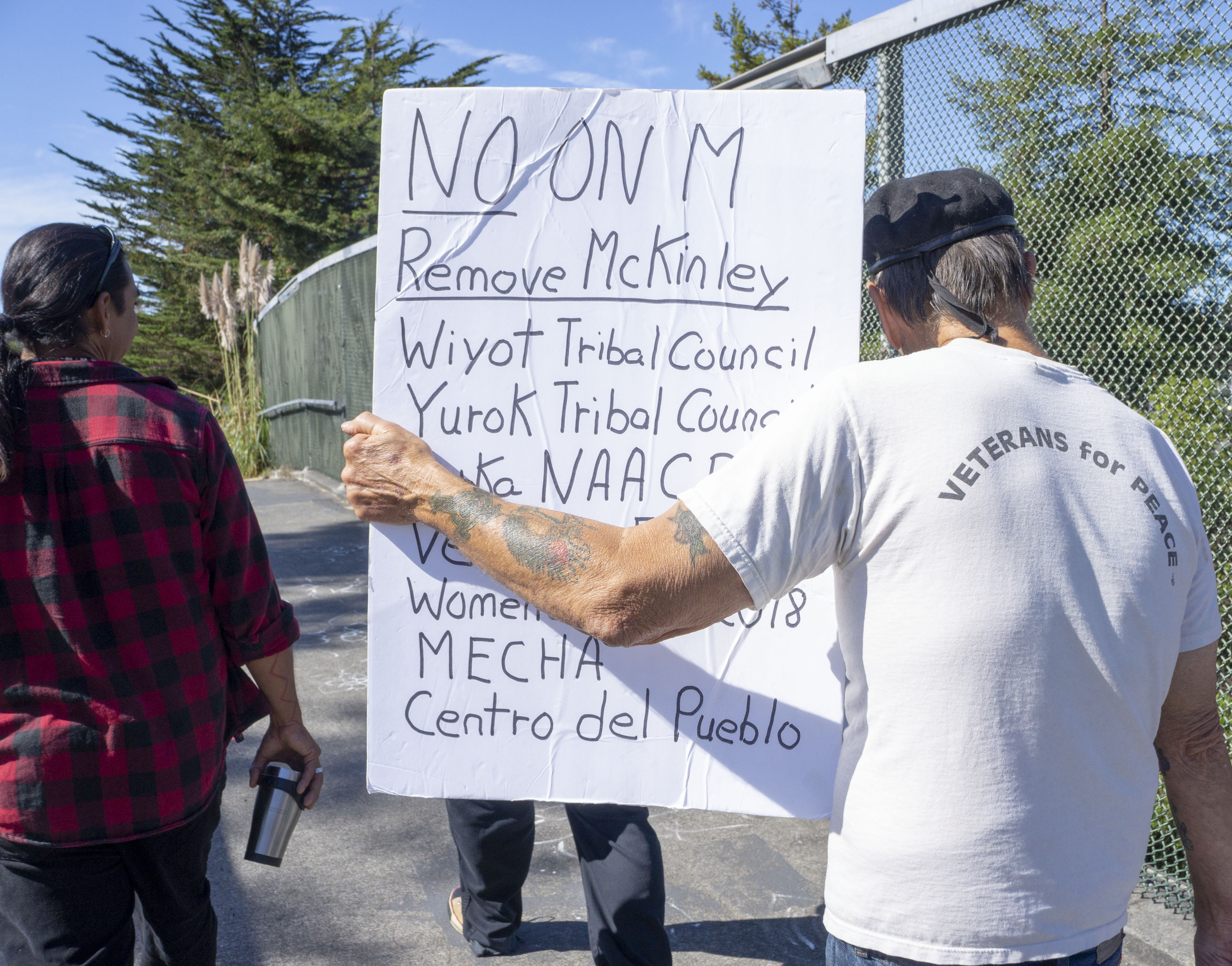
    Rydberg, and about 50 community members, gathered on Oct. 8 for Indigenous Peoples Day. They marched to Arcata plaza to support the removal of William Mckinley’s Statue and encourage others to vote no on Measure M.

    Rydberg said he is focused on showing the significance of this statue’s history. Many don’t know the history of Mckinley, let alone George Zinder — the man who lobbied for the construction of the statue.

    “This statue was put here by George Zinder, a man who owned a seven-year-old child,” Ryberg said. “This statue was put here by a child slave owner.”

    SSNoOnM4
    Erik Rydberg leading a group of community members in front of the statue of William McKinley in the Arcata Plaza on Oct. 8. | Photo by Stella Stokes

    This statue’s history is one that many don’t see resolved today. Julio Torres, a Humboldt State University graduate and activist musician, said this feeling resonates with people who are historically affected by these cultural and physical genocides.

    “This is like being stabbed in the back, and then having the blade be pulled only halfway out,” Torres said. “It doesn’t allow for healing in the present.”

    The statue is only one of the monuments to genocide that Rydberg wants to take on. Rydberg said many of the local community names are hurtful to those affected by atrocities committed by the U.S. government and citizens.

    “First, it starts with names of towns and such, like Mckinleyville, Samoa and Manila,” he said. “Which were named after the colonization of Samoa and the Philippines.”

    Sarah Torres, a local Filipino activist and musician, said she feels that people who support keeping the statue feel nostalgic.

    “I think the misrepresentation of history, allows for nostalgia to thrive,” Torres said.

    Rydberg said he wants people to understand this is not an attempt to erase history — it’s an attempt to correct it.

    “If you want to talk about erasing history every town, waterway, mountain, every native name for everything in this country has been erased,” Rydberg said. “This is about returning history and honoring the first nations of this continent.”


  • 50 Years and Counting

    50 Years and Counting

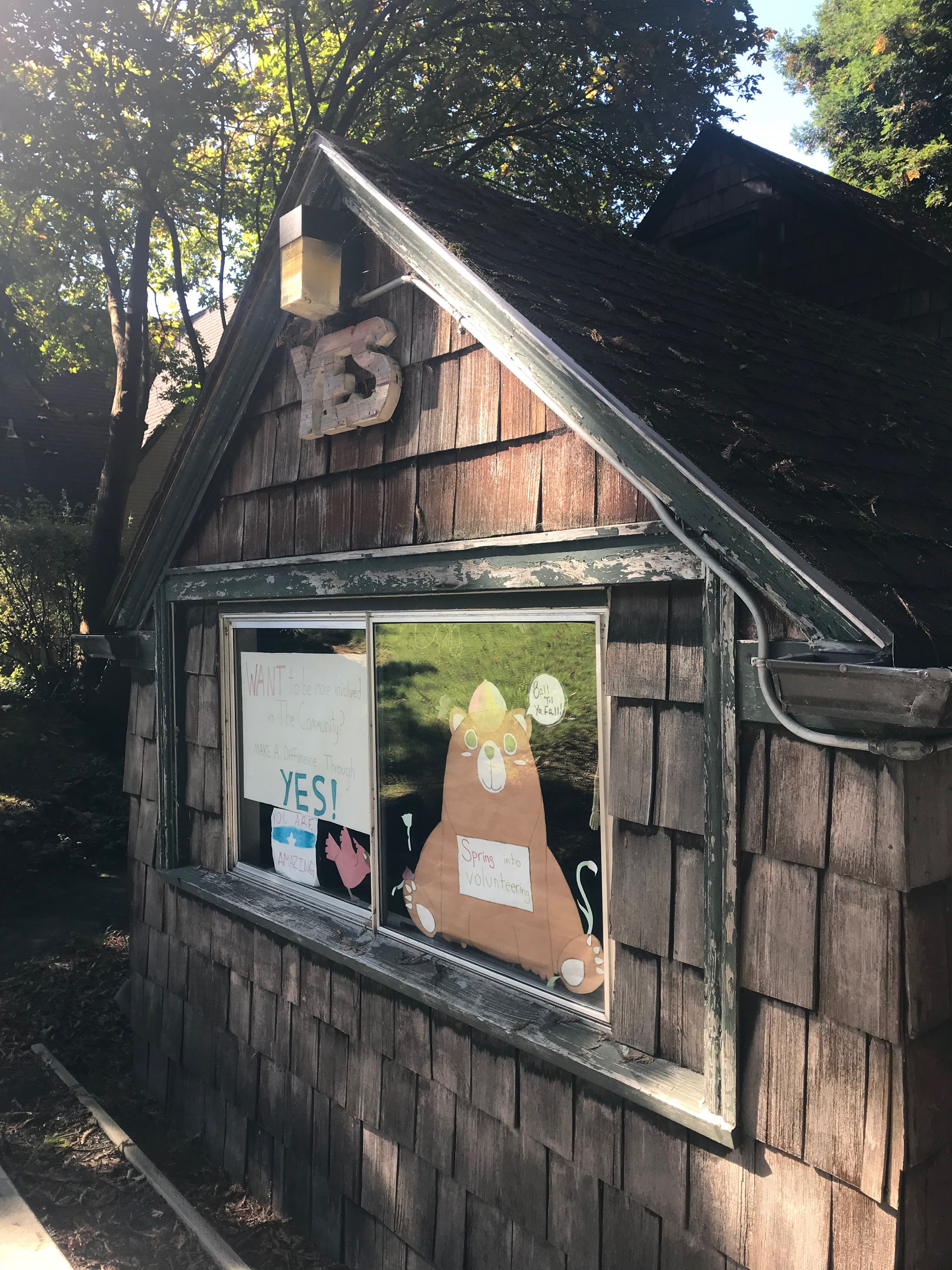
    YES celebrates 50 years of serving the community

    Youth Educational Services celebrated 50 years of serving the community on Oct. 5. Current students and alumni from the past half-century were in attendance at the anniversary reception that was held on campus in the Goodwin Forum.

    For the past 50 years, the student-run volunteer organization has sent student leaders out into the community to help make a difference in people’s lives. Through 16 unique services, students serve a wide variety of community members including children, teens, elderly, and even incarcerated youth.

    The variation of clubs allows volunteers to work in a setting that they feel passionate about. They all meet for an hour a week to discuss and plan their volunteer projects. Each semester students get the opportunity to join and impact others in positive ways.

    The reception was a time that brought up many memories of why the YES program is important to the members. Marlene Medina is one of the many alumni attending the event that got to reflect on just that.

    “It was important to me because I really wanted to get to know the community,” Medina said. “When I volunteered it was really like building a family here.”

    Many speakers including campus faculty, alumni, and the co-founder expressed their love for the program as they spoke among the crowd. The event also included program poster boards, a memory wall and a buffet. Following the reception on Friday evening was a volunteer event that took place the morning after on Oct. 6. Monthly volunteer opportunities similar to this event usually take place on Saturday mornings for several hours.

    Study Buddies, formerly known as Tutorial, is the oldest group within the YES program. This program tutors children in grade school and middle school free at cost to those who would not be able to afford these services otherwise. Volunteers meet up with children after school at Trillium Charter School and Jefferson Community Center. As the first group in the YES program, Study Buddies has been very effective and continues to have a great impact on the youth of Humboldt County. Former mayor of Arcata Alex Stillman expressed why she thought this program was so important.

    “It is a very important program tutoring the children in the schools,” Stillman said. “Get[ing] them up to class level is important.”

    Another one of the 16 volunteer groups is Hand in Hand. Hand in Hand works with current and former foster families. They provide them with a positive, safe, and supportive environment as they work to help develop lasting relationships between both children and adults. The volunteers organize arts and crafts, sports, outside adventures and many other engaging activities for the children to participate in.

    As students volunteer in the Youth Educational Services, it sets them up for success in their careers. The students tutoring can continue on to eventually becoming teachers. Students can also gain teaching experience through some of the other groups such as the Art Recreation Theater and Environmental Education.

    As he reminisced about the days he volunteered with YES, former high school tutorial tutor Greg O’Leary mentioned the lasting effects Youth Educational Services has on it’s volunteers.

    “It affects your future in ways you’ll never predict, but in ways that will be wondrous,” O’Leary said.

  • Candidate committee conundrum

    Candidate committee conundrum

    Confidential hiring process raises concerns

    As Humboldt State University’s president seat becomes vacant, a confidential selection process, along with a limited advisory committee, raises concerns about students’ input in deciding a new president.

    “I understand the need to be confidential,” Associated Students Board Coordinator Casey Park said. “But I don’t see how you can fit 7,500 student voices into one student rep.”

    Park is one of the many Associated Students members who attended a meeting with CSU Chancellor Timothy White and Vice Chancellor Loren Blanchard about a presidential candidate search process on Oct. 8 in the AS banquet hall.

    HSU’s current president, Lisa Rossbacher, announced her retirement next summer in a campus-wide letter on Oct. 1. The letter states that the search process for a new president will begin this winter.

    The CSU Board of Trustees’ policy for the selection of presidents explains that a committee of CSU Trustees, along with the advice and consultation of an advisory committee, will decide in confidentiality who HSU’s next president will be.

    181008-152413.jpg
    CSU Executive Vice Chancellor for Academic and Student Affairs Loren Blanchard and Chancellor Timothy White in the UC banquet hall on Oct. 8 at HSU. Blanchard is responding to one of the AS member’s questions. | Photo by Michael Weber

    Of more than 20 representatives in the advisory committee, only one will be a student. Because the process is confidential, that student will be the only student who can directly affect recommendations for the new president.

    While the AS gets to choose HSU’s student representative, Park is worried that the voice of all HSU students won’t be sufficiently represented by one person.

    The only opportunity for those not in the advisory committee to have a say in the search process will be during an open forum in the first week of Feb. in 2019.

    White says the forum will be video taped so that candidates will be able to see and hear what the community wants. After the forum, White said, they will create a ten page public document of search criteria and will invite candidates to apply.

    During Monday’s meeting, White emphasized confidentiality in the search process and that candidates will be interviewed at an airport — the same as Rossbacher.

    White’s argument for confidentiality is that external candidates (not working at HSU) may lose their job if they were seen applying to HSU. Without confidentiality, the committees may not be able to form a strong group of candidates.

    “It’s not secret,” White said, “It’s confidential.”

    Confidentiality in the search process hasn’t always been the case for CSUs, according to John Meyer, chair of the political science department.

    Meyer said that in 2002, the year Rollin Richmond became HSU president, candidates delivered a speech to an open forum. People were able to meet candidates before they were selected and were able to get a feel of who they were by asking questions and giving comments.

    This conversation between candidates and community was nonexistent during president Rossbacher’s selection. White said that it won’t happen again for the new candidates.

    The confidentiality gives AS Executive Director Janessa Lund little confidence in HSU’s future leadership.

    “With all the turnover [in HSU], we need a solid base,” Lund said. “[We have] a lack of consistency on campus leadership, which leads to uncertainty and insecurity.”

  • Roadblocks fail to phase KHSU

    Roadblocks fail to phase KHSU

    KHSU advisory board remains dedicated

    Parking tickets were issued to KHSU’s community advisory board members as they met for their monthly assembly on Sept. 26. Both Humboldt State University president, Lisa Rossbacher, and KHSU general manager, Peter Fretwell, were sternly against the community advisory board from holding their meeting.

    KHSU community advisory board is completely volunteer based and allows members of the community to have their voices heard at KHSU. Community advisory board member, Barbara Boerger, said that parking passes in the past were issued for attendees but because Fretwell denied them access to a room those passes weren’t issued.

    “I wouldn’t put it past someone alerting UPD about us meeting,” Boerger said.

    Three UPD officers were in the parking lot as the meeting began. Boerger said multiple people got tickets as well as the husband of another community advisory board member. Boerger said she wasn’t sure if the UPD were just on routine but it was awfully suspicious there were so many officers in the parking lot, raising the thought of conspiracy theories.

    “Everyone feels violated when getting a parking ticket,” Boerger said.

    The community advisory board meeting was facilitated by Boerger and fellow community advisory board member, Jana Kirk Levine.

    “This meeting is toward issues, not people. What’s important is why we are here tonight,” Kirk Levine said.

    In president Rossbacher’s September letter addressed to the community advisory board, she asked for all members to individually respond to her about the clarity of a ‘no confidence’ vote towards general manager Fretwell. Kirk Levine said all but one community advisory board member responded within less than 24 hours yet, Rossbacher still wanted them to halt further meetings.

    Boerger said through an email that CAB did not make the decision to terminate Peter Fretwell. The vote was related to the members of the community who have voiced strong calls for his termination.

    “I think we clearly stated we were responding to the members of the community who spoke,” Boerger said regarding the request to forward a community vote of no confidence.

    An earlier email addressed to KHSU staff from Fretwell stated KHSU would respect Rossbacher and have nothing to do with any meeting. Fretwell said KHSU would not publicize, form, participate or reserve space for a meeting.

    KHSU staff members, Lorna Bryant and Jessica Eden were present at the meeting and Bryant live streamed the event.

    This incident happened just before the KHSU fall pledge drive which is expected to go from Wednesday, Oct. 3 through Sunday, Oct. 6. The KHSU annual summer pledge drive was cancelled due to community concerns regarding the firing of operations manager Katie Whiteside.

    Whiteside was a longtime programmer and an employee at KHSU since 1995 before being terminated by Fretwell for reason’s unknown.

    Other incidences include KHSU staffer Lorna Bryant contacting university administration with allegations of abusive behavior that included racism by HSU vice president for university advancement Craig Wruck.

    Out of 3000 donors 120 have left KHSU as well as four business underwriters. Community members are pulling their support until issues get resolved.

    Boerger said the fall pledge drive has been negatively affected due to the recent controversial issues involving KHSU. Every spring and fall KHSU has a large pledge drive that coincides with NPR. Summer and winter are smaller pledge drives and focuses on local premiums and thank you gifts.

    Boerger said she finds it odd she hasn’t heard Fretwell’s voice during the pledge drive. When Fretwell was first hired he was an on-air voice and participated in the drive. Boerger said it may be a calculated tactic of Fretwell to not be participating.

    “The pledge drive has lower expectations this year because of the recent issues,” Boerger said.

  • Three years to comply

    Three years to comply

    HSU has 3-year grace period after football cut to meet Title IX requirements

    With the effects of Title IX looming after the cut of football at Humboldt State, many fear the impact on women’s sports while others look forward to it’s advancement.

    HSU Crew member Bailey Cochran sees it as an opportunity to make women’s sports more competitive.

    “It might change the team to be more focused on being competitive and being successful,” Cochran said.

    HSU President Lisa Rossbacher’s decision to cut football on July 17 was due to budgeting concerns. The fight to keep the team started during the 2017 fall semester when Rossbacher announced the team would stay for another season as long as the community could put up the $500,000 that the University would match.

    The amount of money raised was cut short by $171,000, leading Rossbacher to announce the discontinuation of the football program.

    “It’s football that’s at risk,” Interim Athletic Director Duncan Robbins said, “not any other sports.”

    Title IX is part of a federal law that was passed in 1972 to allow for equal opportunities for men and women on college campuses. It’s broad in scope and is often used to open opportunities in athletics.

    Title IX requires that each university allow for equal opportunity in different ways. The number of athletes required to stay in compliance is directly related to the ratio of men to women on campus. It also encompasses dollars spent for gear and scholarships.

    With over 90 male athletes cut from the 2017 football roster, the fate of women’s sports at HSU has left some wonder about the future. Robins doesn’t mince words.

    “We’ve been trending more and more women dominated on this campus over time compared to years ago,” Robins said. “We have to try to keep up with that as an athletic department.”

    HSU’s campus currently has a ratio of about 47 percent male to 53 percent female. Because of that, the school needs more women athletes to stay in compliance with Title IX, which means the risk to women’s sports is lower. This means that sports teams with large rosters won’t be dramatically impacted.

    The Jacks women’s crew team competed at the Blue Heron Redwood Sprints Regatta on March 24. | Photo by Robert Cranfill.

    Women’s sports have three extra teams with no male counterpart. They are softball, volleyball, and crew. At the moment, there is no foreseeable way to add more male teams because of budgeting concerns.

    “Every time we add a sport, we add cost and we don’t have the money,” Robins said.

    Track and field is a dual gender sport, and because there are more men than women on our HSU track team, Robins does not believe it will be a huge problem complying with Title IX.

    “Turns out that there are a lot of young men who want to run and throw in college,” Robins said, “so we think we’ll have an easier time than in other places.”

    Jamey Harris, the head distance coach, a subcategory of the track team, said that women in the sport aren’t in immediate danger of being cut. He said they will still be recruiting women as well as men to grow the roster as a whole.

    Harris said the football teams termination won’t have “a huge impact, just a few more guys each year won’t be cut.”

    “At this point we turn away any male student athletes that are just not at the level that they need to be to be competitive right away,” Harris said.

    However, more men will now have the opportunity to be trained up and compete at the college level.

    In fact, being able to grow the roster on both sides will be advantageous to the track team as a whole. With 21 events and only 40 athletes on each team, the track team may benefit from the effects of Title IX.

    “Adding more athletes gives us more event coverage,” Harris said.

    Robins said that no change is easy in university level sports, but said HSU has excelled at balancing the roster numbers.

    “We’ve done a very good job at giving opportunities to women’s athletes,” Robins said. “On a typical roster size they might not have been given that opportunity.”

    Cochran, a junior and three year crew member, is a recipient of those opportunities. She had never considered crew as an option in college until she was handed a flyer and joined with a few other young women.

    She sees this as a growing opportunity for the crew team to take their competition to the next level. She thinks this may give the crew team the edge to be able to focus on specifics rather than training people up who have never been in athletics before.

    “We have so many people that it’s not necessarily all focused in on the people who want to get to championships right now,” Cochran said.

    Cochran does admit that taking away opportunities for women who have never competed before is a reality.

    “It’s a give and a take,” Cochran said, “depending on what aspect you’re looking at.”

    Tyla Turner (#12) floats between Cal State East Bay defenders Kayla Blair (#21) and Savannah McGill (#32) for the layup. | Photo by Zac Sibek.

    Students entering sports now as freshman don’t have much change to worry about. Schools are given a three-year period to come back into compliance after a major shift, such as the football roster cut.

    Robins said that this helps cycle through the current athletes so it doesn’t affect their graduation.

    “Every student athlete that comes in will want to know what their life is going to look like for the next four to five years,” Robins said.

    But after the abrupt dismissal of football, athletes may be left feeling uncertain. Cochran just wants open communication between administration and the student athletes.

    “I hope they don’t pull the same thing on us where we don’t expect that to happen,” Cochran said. “But then it does.”


  • HSU students say Kava-no-thanks

    HSU students say Kava-no-thanks

    People on campus respond to the Brett Kavanugh hearings

  • New faculty reaches for balance

    New faculty reaches for balance

    A feature of Humboldt State University’s multicultural specialist and staff psychotherapist

    Cedric Aaron Jr. is the new multicultural specialist and staff psychotherapist who has started working for Counseling & Psychological Services this academic year.

    Aaron received his master’s degree in social work from Humboldt State University. He was once a counselor in the Arcata community for two years and has been a part of Humboldt County’s mental health field for five years.

    Aaron decided to work for HSU because he feels that he can relate to some students of color on campus. He said he is also a first generation college student that had a difficult time transitioning into a predominantly white institution and community.

    “I grew up wanting to go to college. I grew up watching ‘The Bill Cosby Show’ and ‘A Different World’,” Aaron said. “Which showed healthy African-American role models that looked like me.”

    Aaron said his gift of giving is when he gives back to the community, he doesn’t just want to be known as the “black therapist at CAPS.”

    “I want my community to know me outside of my CAPS role,” Aaron said. “Therefore when there is a time and a place to provide services it’s a lot more comfortable on both sides.”

    He said when working with communities of color, it’s not just about providing service, but being a part of the community.

    “Part of my time is providing direct services not just to students of color here at the clinic, but I have the opportunity to do outreach,” Aaron said. “I’ve interacted with student clubs and organizations. I’m at the cultural centers, on the quad, at events and after work discussions that are being put on by the Cultural Center for Academic Excellence or other campus allies.”

    Left to right: Brothers United member Amir Staples talks with Cedric Aaron at the Club’s Fair Oct. 4 in the UC Quad. | Photo by Dajonea Robinson

    Aaron said he is not sure if students have a hard time coming onto CAPS. He said there is a historical mistrust with communities of color and the mental health field.

    “There’s a lack of diversity among the mental health field. It’s not a secret, there’s statistics that show that. It’s a white field,” Aaron said.

    Aaron also said he believes there is a lack of cultural competency in the mental health field, and that is something that he would like to keep updated with the CAPS staff.

    “I want to influence the CAPS staff so that if any student of color came in, that each and every staff member at least has some cultural awareness,” Aaron said. “Students will feel respected, heard and valued receiving the best adequate care.”

    To understand the need of cultural awareness, Aaron wants CAPS staff to continue being honest with themselves if personal values interfere with professional values. Or even if there’s perceived bias, to correct it within oneself. He wants staff to also have a cultural lens when working with students of color, therefore more damage isn’t caused to their holistic well being.

    Left to right: Cedric Aaron talks to Legacy club members Michelle Galindo, Danni Pittman and Ramona Bell during the Club’s Fair Oct. 4 on the UC quad. | Photo by Dajonea Robinson

    “Be open to not knowing everything, and understanding that on top of mental health related challenges students of color also have to face racism, classism, homophobia and the impostor syndrome,” Aaron said. “Have those ideas in mind when providing the services to students of color rather than standardized form of treatment.”

    Aaron wants his work to be meaningful and purposeful. He wants students to know that he’s invested and that he cares about them, and for the CAPS program to be recognized as a safe space for all students.

    “My dream is to continue to decrease the stigma in mental health especially among communities of color,” Aaron said. “College is an interesting and challenging time for people. I am Cedric, and I just want to be a support.”

  • Hospital moves forward with layoffs

    Hospital moves forward with layoffs

    St. Joseph’s Memorial Hospital lay off some of their support staff

    Jessica Corral has two kids, her son is 10 and her daughter is 7. Corral’s daughter has urological issues that require her to be driven six hours down south to University Of California, San Francisco.

    Corral has her own set of health related issues and a dwindling insurance policy and has lost her job.

    “I don’t know what I am going to do,” Corral said. “I just want my job back.”

    Corral was an Emergency Department Technician 2 at St. Joseph Memorial Hospital. Her job consisted of the everything from helping patients get out of bed or go to the bathroom to running the Electrocardiography machines and performing Intravenous Therapy drips.

    Like many others in her position, she was laid off over two weeks ago. This was after hospital administration confirmed their plan to layoff 2.6 percent members of the hospital’s support staff.

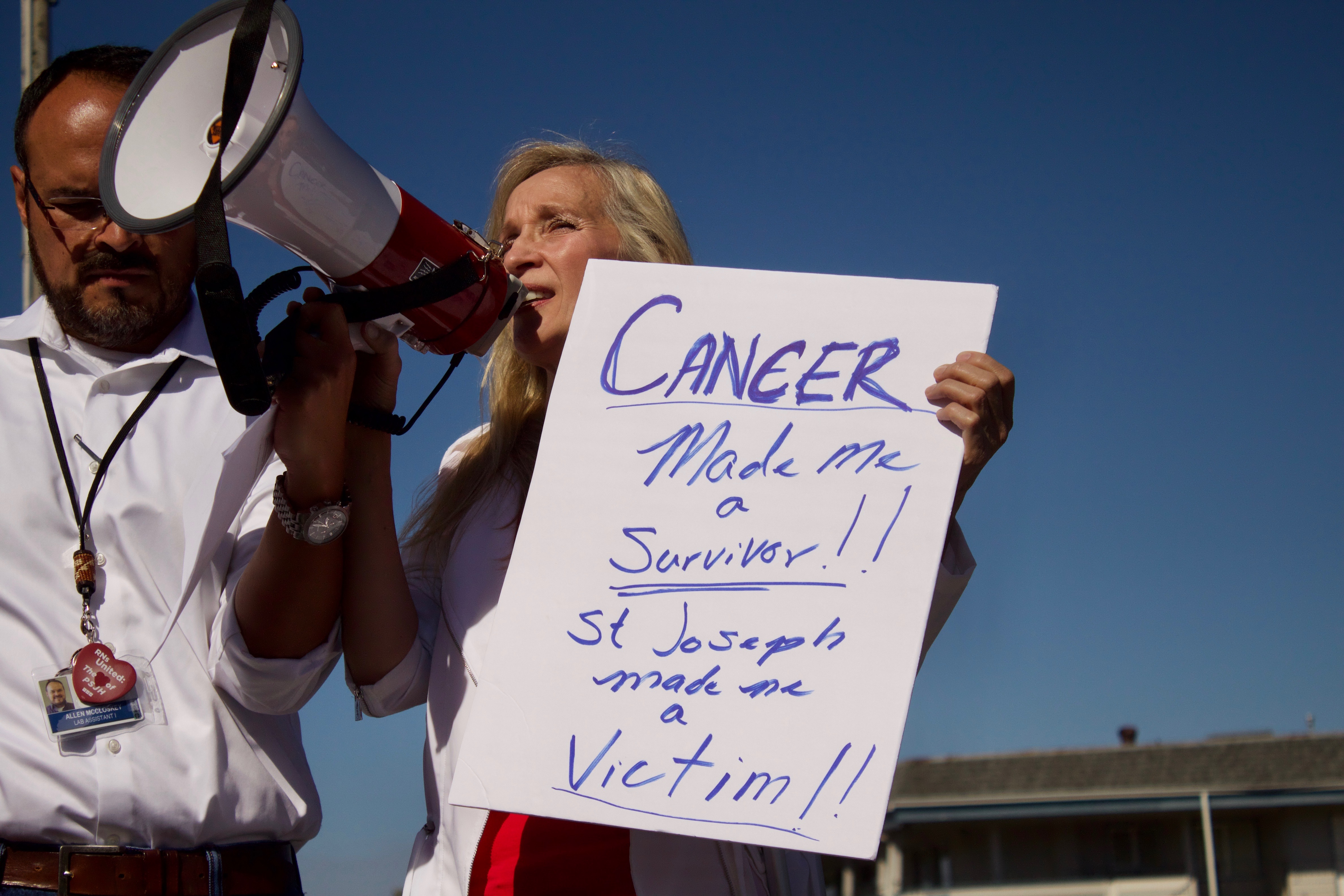
    On Sept. 26, Corral and about 100 other ex and current St. Joseph staff, community and union members joined with the National Union of Healthcare workers to protest the recent layoffs at St. Joseph memorial hospital located in Eureka. Corral is worried about her and her daughter’s access to the medication and treatments that they require.

    “Once my insurance runs out we can’t pay for our medication,” Corral said.

    Many seem to be in similar situations, but Corral explained that even before the layoffs nurses, emergency department technicians, sitters and lab technicians were overworked and understaffed to the point of exhaustion.

    “I was the last person left on my (morning) shift,” Corral said. “There is now no one in the morning, available to do simple things and resupply (nurse stations).”

    This has directly affected the nurse and support staff who still work at St. Joseph’s Hospital. Lesley Ester, a registered nurse who is still employed at St. Joseph, is concerned about the health of current staff.

    “There has been a huge uptick in the number of sick calls,” Ester said. “In other words their immune system are shot, their emotional system are shocked, so were having a lot of sick calls.”

    st.joeIMG_7048
    Rennee Saucedo leads a chant during the nurses strike at St. Josephs Hospital in Eureka, CA Monday Sept. 26. | Photo by Deven Chavannes

    The struggles of the nurses and support staff, have not been unheard by the community, many came to show their support. Sylvia Deeroy, a local community activist and resident had a recent five day stint in St. Joseph’s and said she was appalled by the way she was treated and how overworked the staff was while in treatment for a recent knee replacement at the hospital.

    “They have totally insufficient help, I was there for five days, couldn’t get up on my own,” Deeroy said. “It wasn’t until the fourth day that I was able to get to the bathroom and bathe myself and brush my teeth. There was no one to help before.”

    The layoffs have been directed at support staff like Emergency Department Technicians and others focused on patient care. Many like Ester see this as a problem of understaffing and the overall stress put on support staff.

    “The amount sick calls we get only, increase the problem of our understaffing,” Ester said.

    St. Joseph is citing that the staffing cuts come from a rash of unprofitable years. But in the recent press package handed out by the National Union of healthcare workers shows that from 2014-2017 the hospital had a net income of $135,710,202. With the peak of their net incomes being $49,000,000 in 2017.

    Some community members and St. Joseph staff doubt the hospital commitment to the community due to poor work conditions and patient service. Allen McCloskey, a lab technician who helped unionize St. Joseph a couple of years back is one of those weary of St. Joseph’s commitment to the community.

    “It’s my assertion that the care for the community is just an ancillary sound bite,” McCloskey said.“They are concerned about their financial algorithms.”

  • Meetings continue despite roadblocks

    Meetings continue despite roadblocks

    CAB remains dedicated to gathering community and moving forward

    The KHSU Community Advisory Board continued as planned with their monthly assembly despite Humboldt State University president, Lisa Rossbacher being against them meeting.

    The meeting was facilitated by CAB members Jana Kirk Levine and Barbara Boeger. The only other CAB member present was Helene Rouvier. The room was nearly full of community members, ranging from volunteer show hosts to KHSU staff members.

    Kirk Levine called the meeting a “non-CAB CAB meeting” due to the general manager, Peter Fretwell, denying the request of the CAB to reserve a room and asking them not to meet.

    “They tried to keep us locked out of our room, but we’re clever,” Kirk Levine said.

    The reasoning for still meeting despite the lack of HSU support was to figure out what’s going on at the station, how to fix it, and how to start a process moving forward.

    “This meeting is toward issues, not people. What’s important is why we are here tonight,” Kirk Levine said.

    In President Rossbacher’s Sept. letter addressed to the CAB, she asked for all members to individually respond to her about the clarity of a ‘no confidence’ vote towards general manager Fretwell. Kirk Levine said all but one CAB member responded (because Tom Hintz was on vacation) within less than 24 hours, yet Rossbacher still wants them to halt further meetings.

    Boeger said through an email that CAB did not make the decision to terminate Peter Fretwell. The vote was related of the members of the community who have voiced strong calls for his termination.

    “I think we clearly stated we were responding to the members of the community who spoke,” Boeger said regarding the request to forward a community vote of no confidence.

    The decision of no confidence had the community members confused on why it even mattered to HSU administration and how that could be justified to keep the CAB from meeting.

    An earlier email addressed to KHSU staff from their general manager stated KHSU would respect Rossbacher and have nothing to do with any meeting. Fretwell said KHSU would not publicize, form, participate or reserve space for a meeting.

    KHSU staff members, Lorna Bryant and Jessica Eden were present at the meeting and Bryant live streamed the event.

    The suggestion of forming a board of directors was brought up multiple times and was included in the CAB’s action plan. Kirk Levine said CAB member Geraldine Goldberg has been putting a lot of time and effort in working with this issue.

    “If we don’t have a board of directors and leave KHSU to HSU we’ll keep getting nothing,” Kirk Levine said.

    A main concern that was raised by multiple members was the loss of late-night programming. Tim Warner, who hosts the Buck Calhoun show, is one of the late-night programmers to be affected by the recent time changing.

    Warner said risk management deems them a liability but Katie Whiteside made sure all late-night hosts were well equipped and knowledgeable on safety procedures. For 17 years Warner has hosted the Buck Calhoun show and not once has he had a single issue in safety ending late.

    “I’ve seen skunks, and my last show I saw a deer. Nothing scary about that,” Warner said.

    The night was emotional for the CAB members and community alike. There is frustration that emails have been left unanswered and communications between all parties involved are strained. Tensions are high at KHSU, and CSU has issued an independent investigation to be done due to the work environment at KHSU.

    With all these problems occurring, the CAB and community members are still hopeful for KHSU’s future. They will still meet two times before the new year, on Nov. 14 and Dec. 12.

    “I am trying to be positive. What’s important is we’re here tonight. Keep thoughts kind, focused and positive,” Kirk Levine said.

  • Humboldt County Sanctuary

    Humboldt County Sanctuary

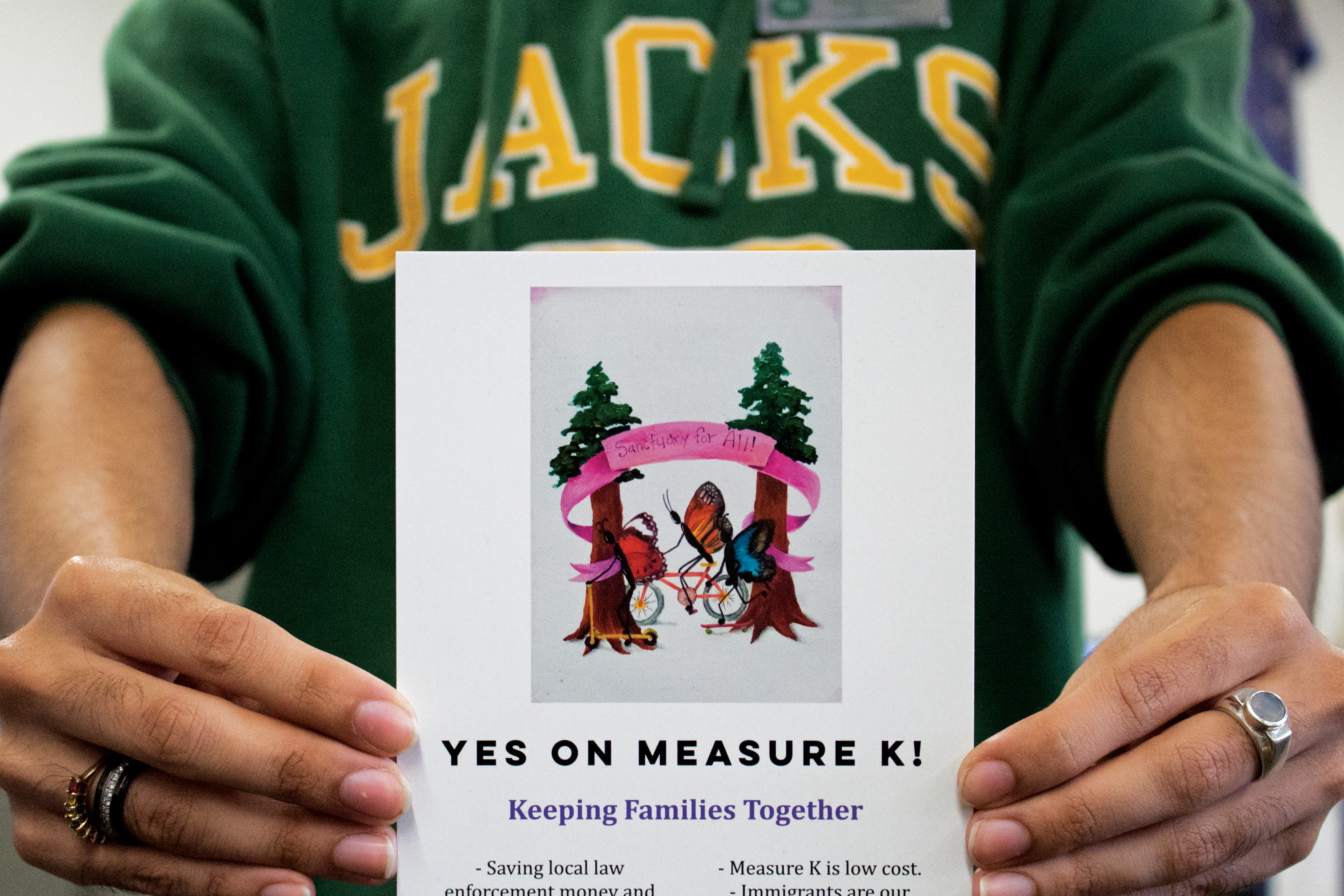
    Measure K aims to keep families together

    An elderly woman with dementia taken away from her family by U.S Immigration and Custom Enforcement and deported. A young mother in her late 30s swept away by ICE and taken to a prison in Bakersfield for nine months even in spite of being here since she was five years old, married to a U.S. citizen and raising two children born as U.S. citizens.

    Stories like these, where people are arrested for no other crime than lack of citizenship, are why Erik Kirk wrote local ballot Measure K.

    “Criminal law and immigration law should be separate,” Kirk said.

    Kirk, a lawyer, was asked by Centro Del Pueblo, a non-profit community service agency, to write a draft of an ordinance pertaining sanctuary for Humboldt county.

    A sanctuary ordinance would prohibit local law enforcement from assisting federal immigration authorities with detainment. Typically sanctuary ordinances apply to cities rather than counties.

    Kirk said Centro Del Pueblo proposed to the board of directors about making Humboldt county a sanctuary county, but they felt the board was unresponsive, so they asked him to write it for them.

    Measure K, on the November ballot, would make Humboldt County a sanctuary county along with 30 sanctuary jurisdictions around the nation. Kirk said the measurement would be an extension of an existing law, AB54, which is a statewide ordinance that prohibits law authorities from cooperating with ICE.

    “Our current laws are outdated and we need to change that,” Kirk said.

    Measure K would help law enforcement by encouraging crime reporting and cooperation from the undocumented community. Immigrants may be more likely to consistently take children to school and access health care and vital services, affecting the overall greater community.

    Kirk said the measurement will limit cooperation with ICE with just suspected immigration violation. The measurement will not in anyway prevent law enforcement with proceeding criminal provisions.

    The Times Standard reported the ordinance would cost hundred of thousands of dollars. Kirk said this is a number he has no idea how it was calculated.

    Sheriff William Honsal claimed he would have to track ICE deputies. Estimated tracking and reporting communications between ICE with new measurement would be between $85,000-$135,000. Kirk said this is false information.

    Kirk said the probation department has to do the same tracking and reporting of communication with ICE as they do with the sheriff, and their estimates were $1250-$2500.

    “I think the sheriff wants to deport whoever he wants and we think that isn’t right,” Kirk said.

    Kelsey Reed, a member of the Humboldt Green Party and Move to Amend coalition, said the measurement allows parents to decide where their kids go when they get deported. As the law stands now, when parents are deported they are no longer able to make decisions where their children end up. Kids usually get left at home alone or taken to foster care.

    “This is an overall humanity issue and several families have been destroyed because of ICE,” Reed said.

    Reed said this is the most radical sanctuary ordinance proposed in a county. Through the ordinance, ICE would be required to only make certain arrests in certain areas and that parents wouldn’t be able to get arrested in front of their children.

    Reverend Bryan Jessup is the minister of the Humboldt Unitarian Universalist Fellowship which is one of the faith based organizations to support Measure K. Jessup’s congregations have been a sanctuary since June of 2017 and is a safe place for people subject to abuse from ICE.

    Jessup said the congregation doesn’t want Humboldt County to be a part of what is going on around the country regarding immigration policy.

    “We would like to stand up for humanity, our people are willing to shelter immigrants,” Jessup said.

    Christi Molina, English senior, is a peer mentor at Scholars Without Borders who works closely with Centro Del Pueblo. Molina said the measurement would affect her personally because some of her family would be documented as immigrants.

    Molina said the students in the area are supportive of the measurement and that makes her hopeful of it passing. They know the measurement is against separation of family and keeping communities intact.

    “This is a way to not only keep family together but to respect human rights and culture,” Molina said.

    Humboldt State University’s Undocu Week, a week of events dedicated to “deconstructing misrepresentations of communities of color,” takes place Oct. 1 – Oct. 5.