Category: Video
-
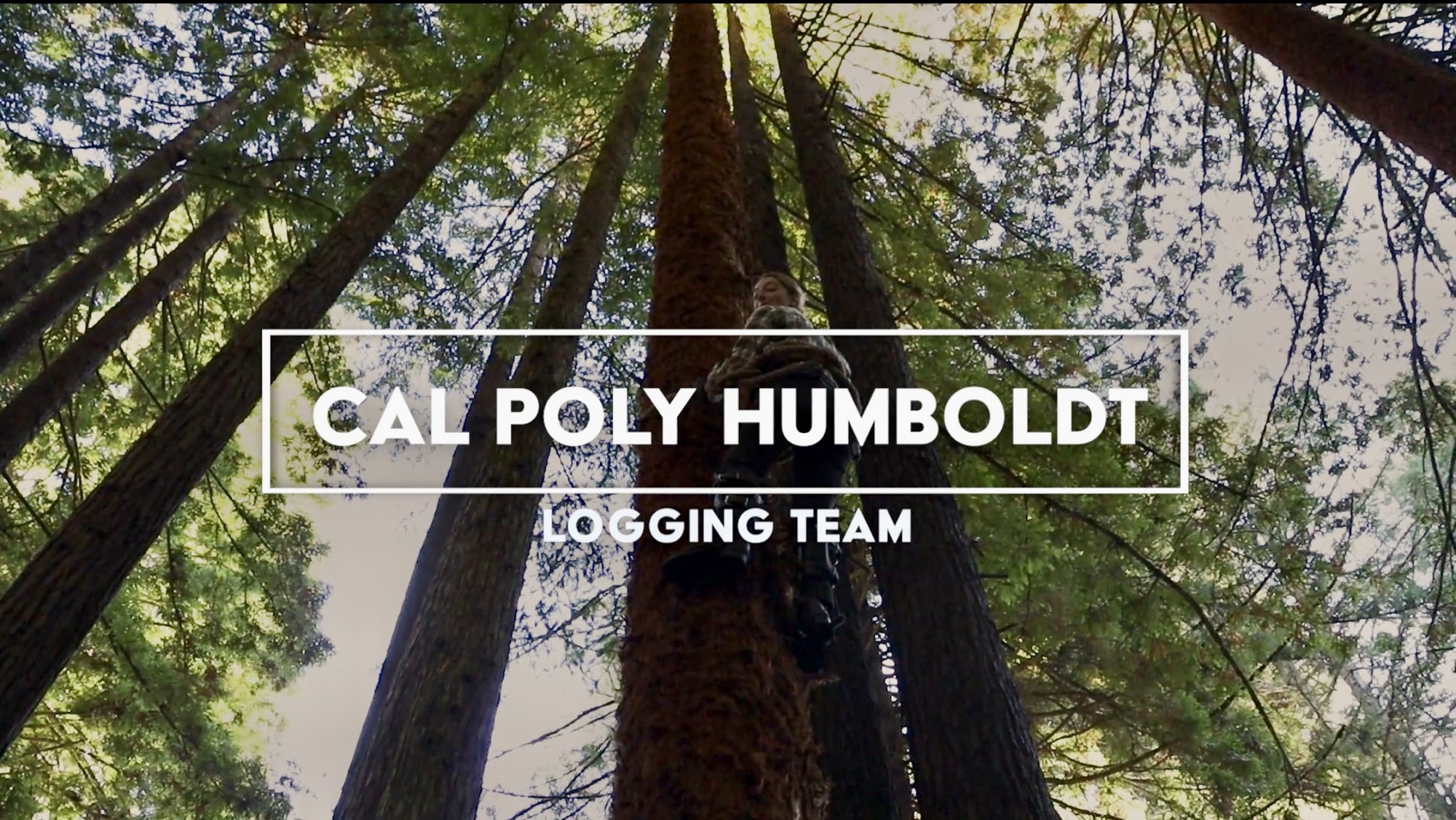
Watch to see the Cal Poly Humboldt Logging Team in action!
Video by Maranda Vargas Watch to see the Cal Poly Humboldt Logging Team in action! Check out the next issue of The Lumberjack for a full article on the team!
-
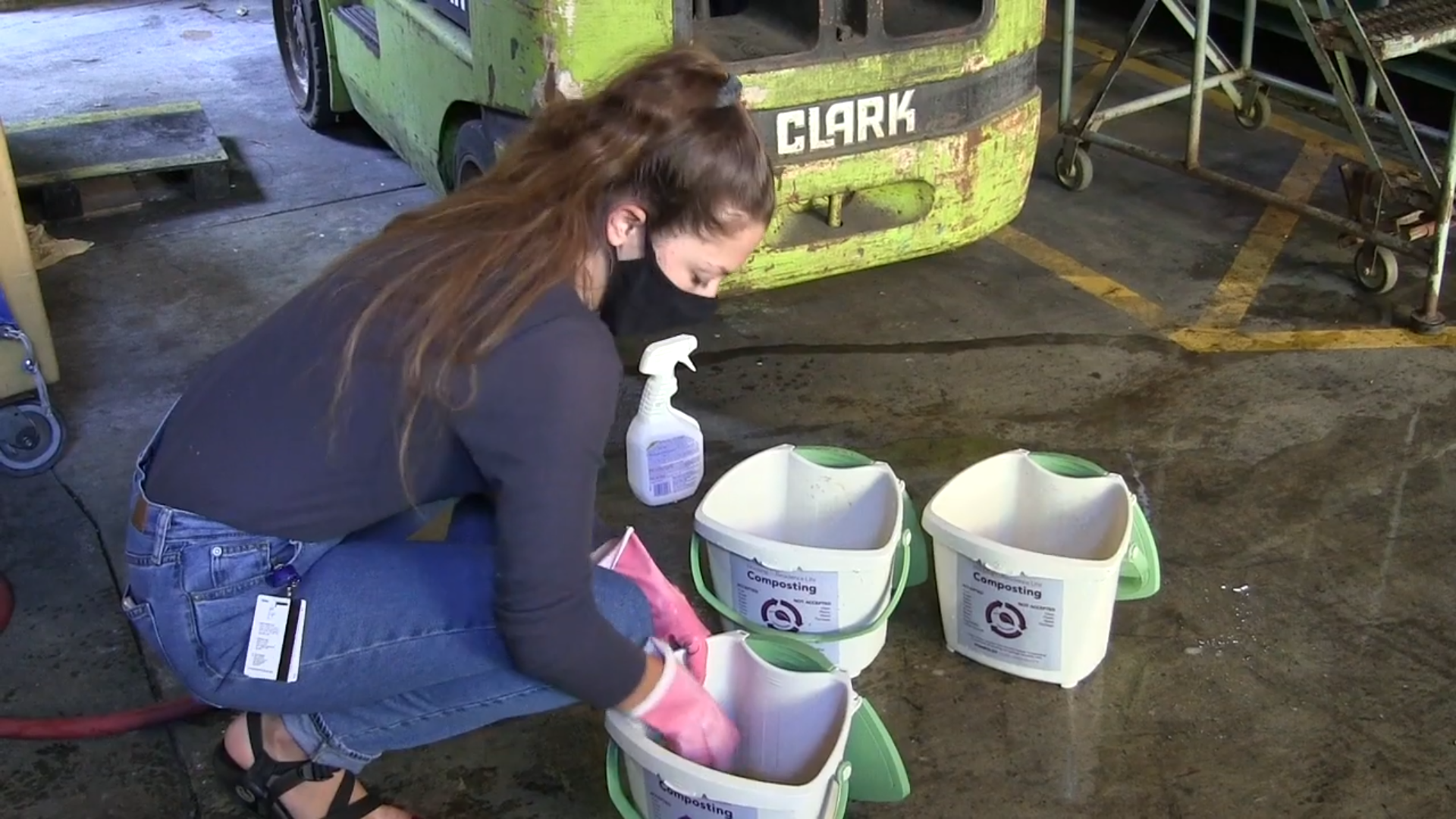
Composting at HSU
Students at HSU are working to find a solution to the food waste on campus. Kimberly Cossio reports.
-
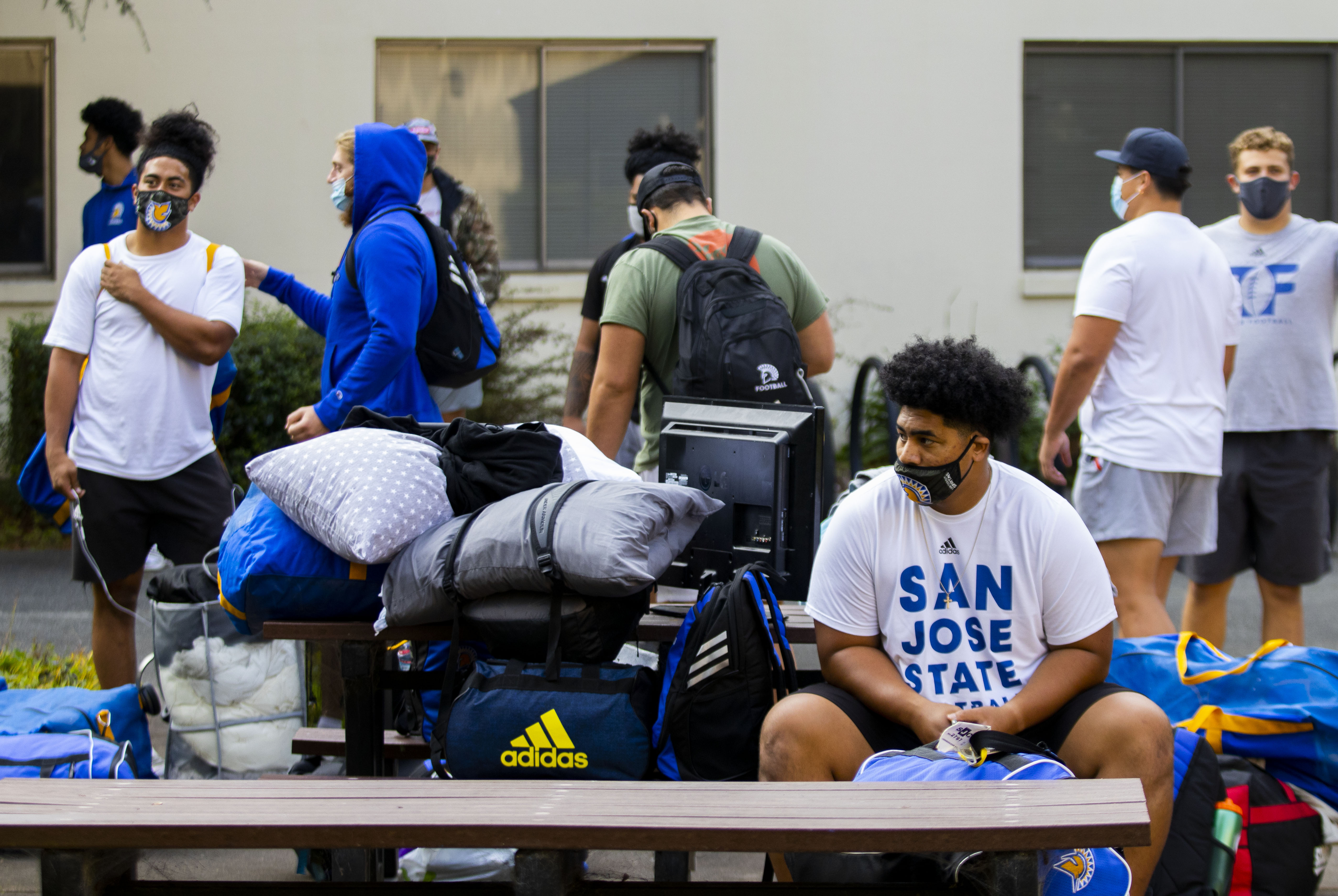
The San Jose State University Football Team Comes to Humboldt
On a day’s notice from administration, the SJSU football team spends a week and a half in Humboldt practicing because their county did not allow it. Students react to their presence on campus in the midst of a pandemic.
Directed and produced by Dakota Cox.
Contributors: Skylar Gaven & Thomas Lal -
Homelessness in Humboldt, CA
This is the first trailer of a homeless documentary created by HSU students. We have spent months filming and will continue to film throughout the next year. Follow the heartbreaking stories of the homeless community around Humboldt county and the organizations who are out trying to help in any way they can during the COVID-19 pandemic.
-
Thrifty Arcata
Taking a tour of the local thrift shops in Arcata during the COVID-19 pandemic.
Directed and produced by Skylar Gaven.
-
House Plants Generate Peace and Meaning During the Pandemic
Three different people with the same love for plants!
House plants have become quite popular these days especially since we’re all basically stuck inside during the pandemic. Not only are they aesthetically pleasing, but these beautiful green oxygen-makers provide more than just a decorative living room. House plants have been known to show positive benefits toward mental health, and with the right amount of care, a healthy connection with all of your house plants will definitely brighten your days. I spoke with three individuals who each shared their experiences with owning plants and helpful tips for new plant parents.
Follow @tobagoplants on Instagram
Directed and produced by Skylar Gaven.
-
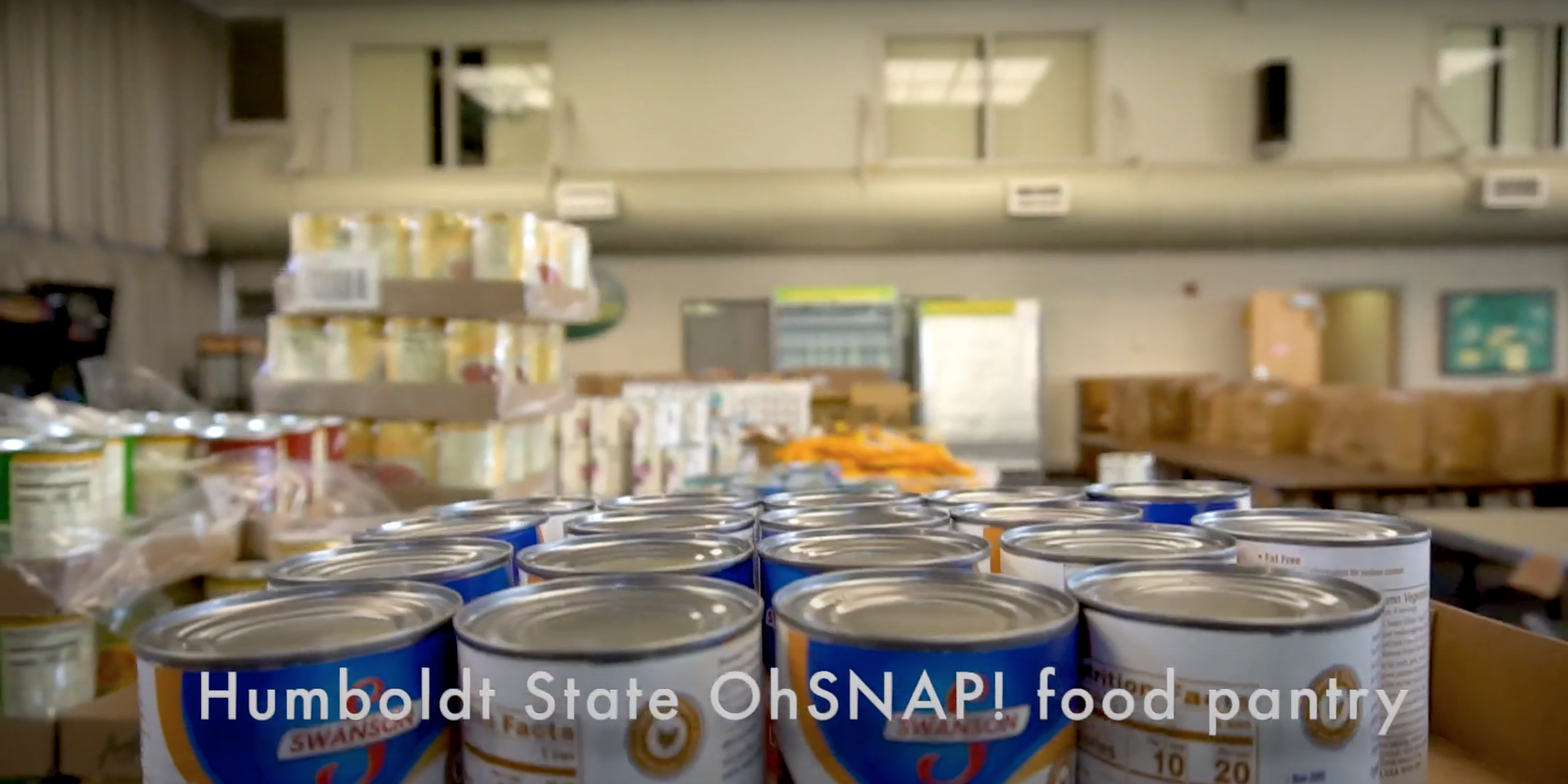
Students Rely on OhSNAP! in Pandemic
On-campus food pantry provides for students in need
With the J dining hall closed and grocery stores inducing anxiety, some students are relying on Humboldt State’s OhSNAP! pantry for food.
OhSNAP! will remain open for the rest of the semester, serving students Wednesdays from 10 a.m. to noon and Thursdays from 1 to 3 p.m. on the bottom floor of the Jolly Giant Commons. OhSNAP! can also deliver food directly to you if you can’t make it to campus (email mira@humboldt.edu for more information).
-
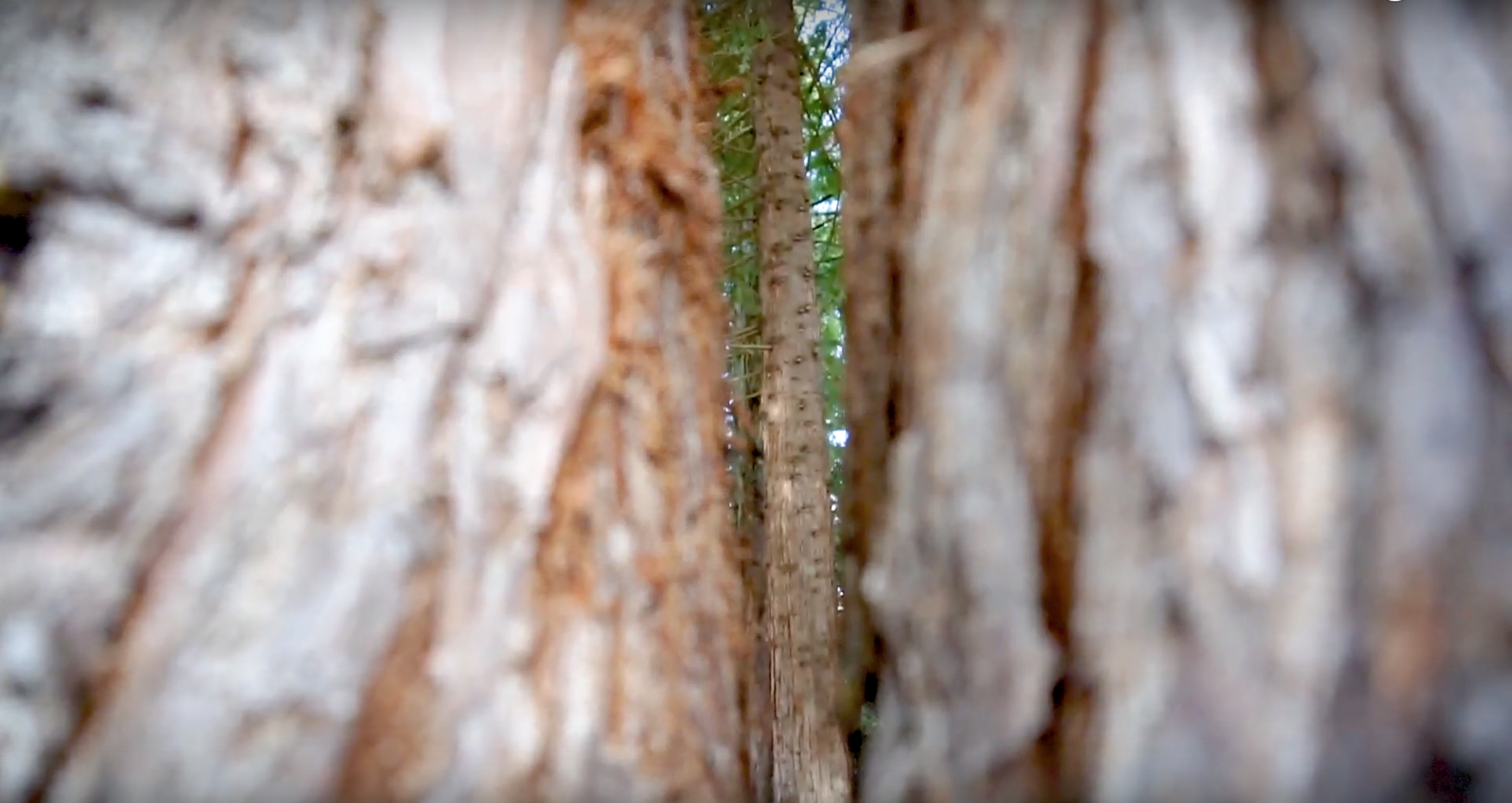
Humboldt State Has Trees Grown from Seeds That Went to the Moon
Here’s how HSU received the trees and where you can find them
Humboldt State University has a handful of redwood trees grown from seeds that went to the moon.
In 1971, astronaut Stuart Roosa brought around 500 tree seeds with his personal items on the Apollo 14 NASA mission to the moon. Roosa intended to test the seeds to see if space radiation would affect their germination. While he never set foot on the moon, he orbited the moon 34 times while his colleagues walked the lunar surface.
When Roosa returned, he sprouted most of the seeds. NASA then sent the seedlings around the world. Around 1976, HSU received a handful of redwood seedlings and planted them around campus. Some of those trees remain near the theatre arts and natural resources buildings and near the Campus Center for Appropriate Technology and Facilities Management.
-
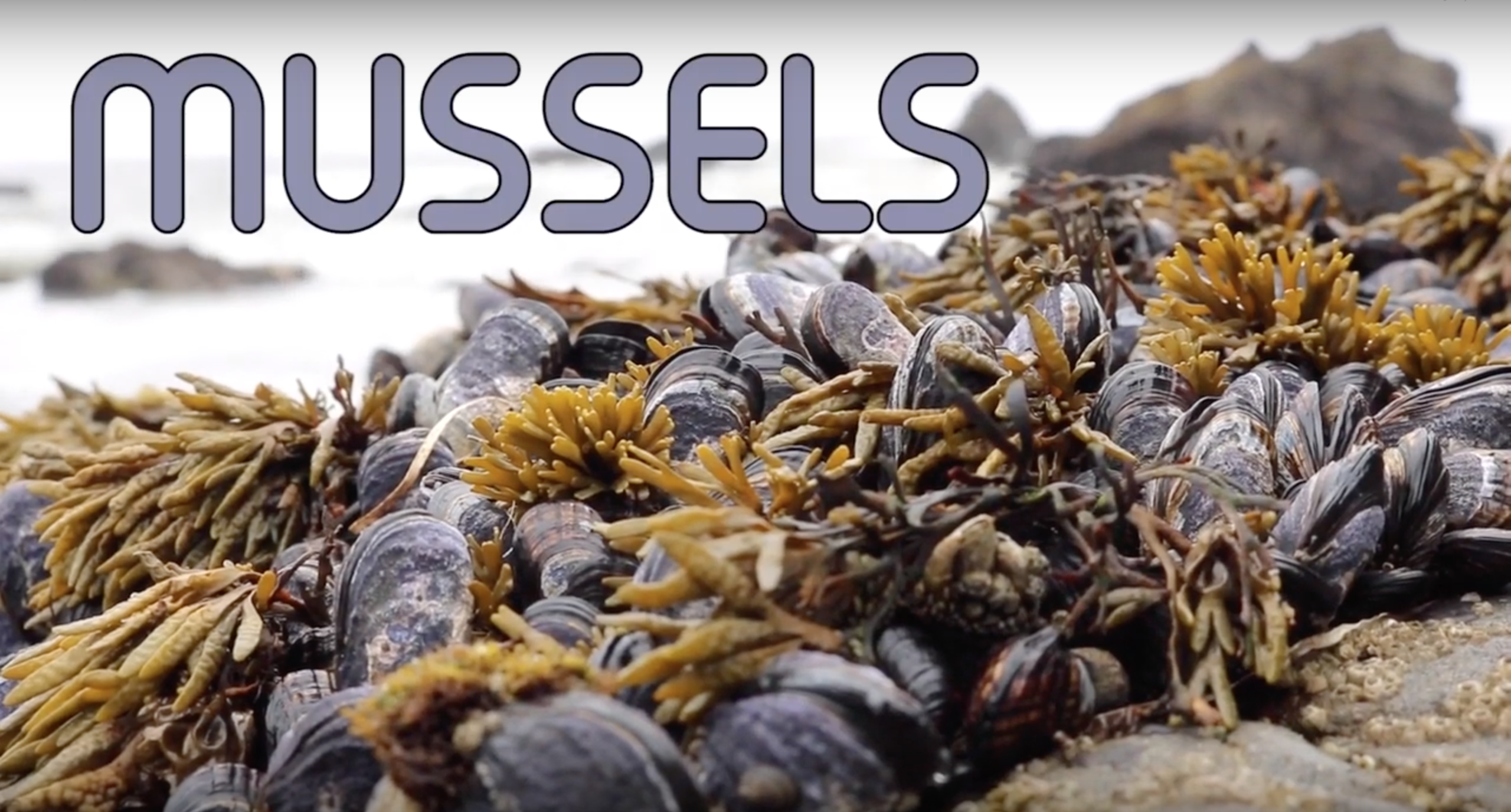
Before You Forage: Mussels
Everything you need to know to forage for mussels
Blue mussels are a type of edible bivalve found in cold coastal waters. These orange-fleshed, blue-shelled mollusks are high in vitamin B and iron. Mussels and other bivalves feed by filtering water throughout their body. Bivalves, including mussels, can be deadly if consumed during red tide conditions.
You can forage for mussels along the California coast legally with a California fishing license. The legal daily limit for mussels is 10 pounds and you must carry a scale with you. Do not use tools to scrape mussels off rocks. This damages the mussel beds and is prohibited for mussel collecting. Instead, get a sturdy pair of gloves to twist and yank the mussel free from its byssal thread attachments (also known as beards) that secure it onto rocks.
Mussel gathering is prohibited in Humboldt County every year from May 1 to October 31 due to the warmer climate during this time, which facilitates the proper conditions for toxic algae blooms. Mussel quarantine may vary year to year. Always call the shellfish bio-toxin hotline before you plan on foraging.
Bio-toxin information line: (800) 553-4133 shellfish toxins/quarantine information
Editors note: This article previously stated an incorrect limit on mussel harvesting and has been corrected. We have updated information about mussel quarantine. Updated January 21, 2021
-
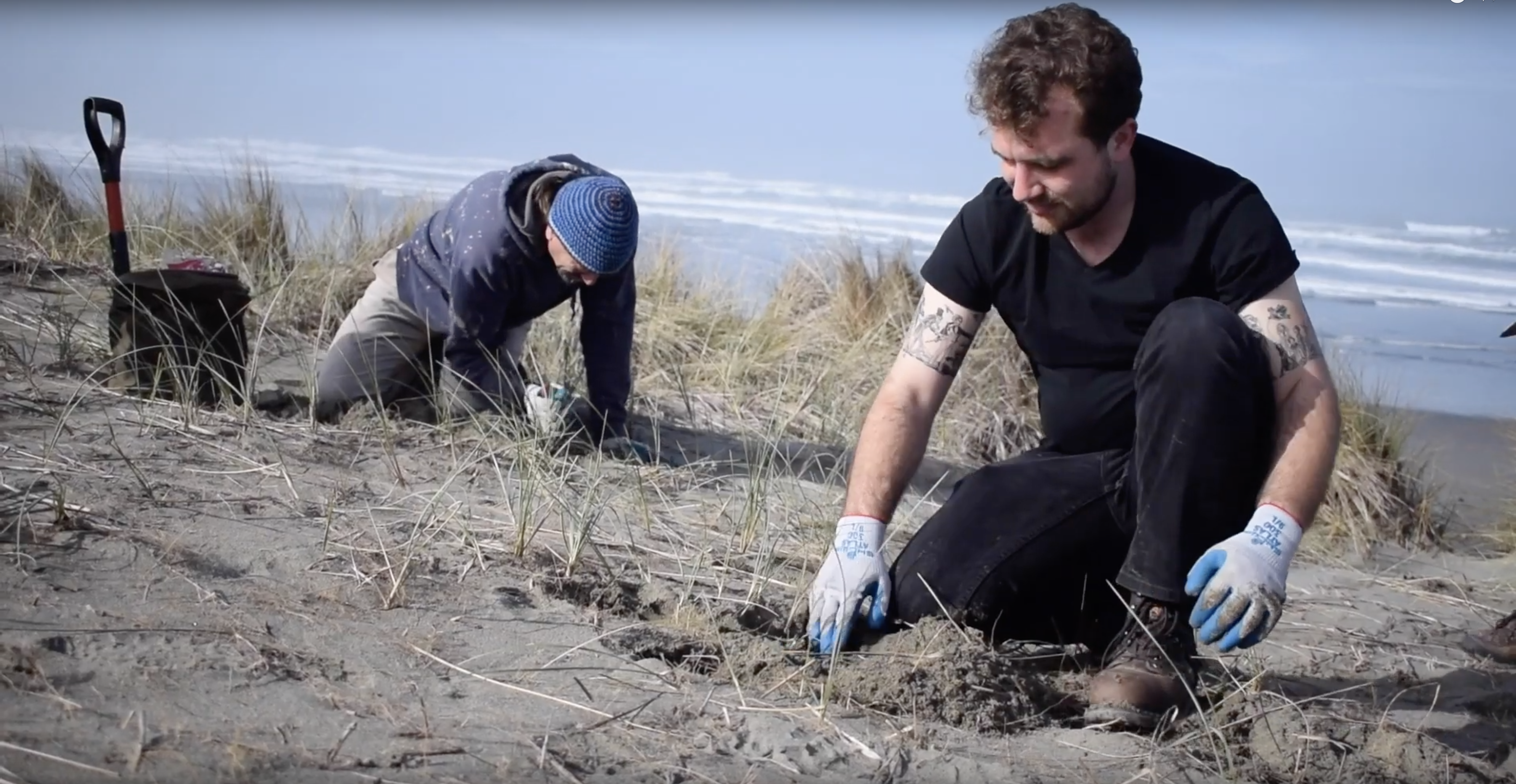
Digging in the Dunes
Making a difference in the dunes by hand, plant-by-plant
Volunteers visited the Manila Dunes in Arcata Feb. 15 to tug invasive grasses from the sands in a monthly gathering facilitated by Friends of the Dunes. The volunteers of all ages from youthful college students to gray-haired, retired locals removed beach grass to allow native plants to repopulate the dunes.
-
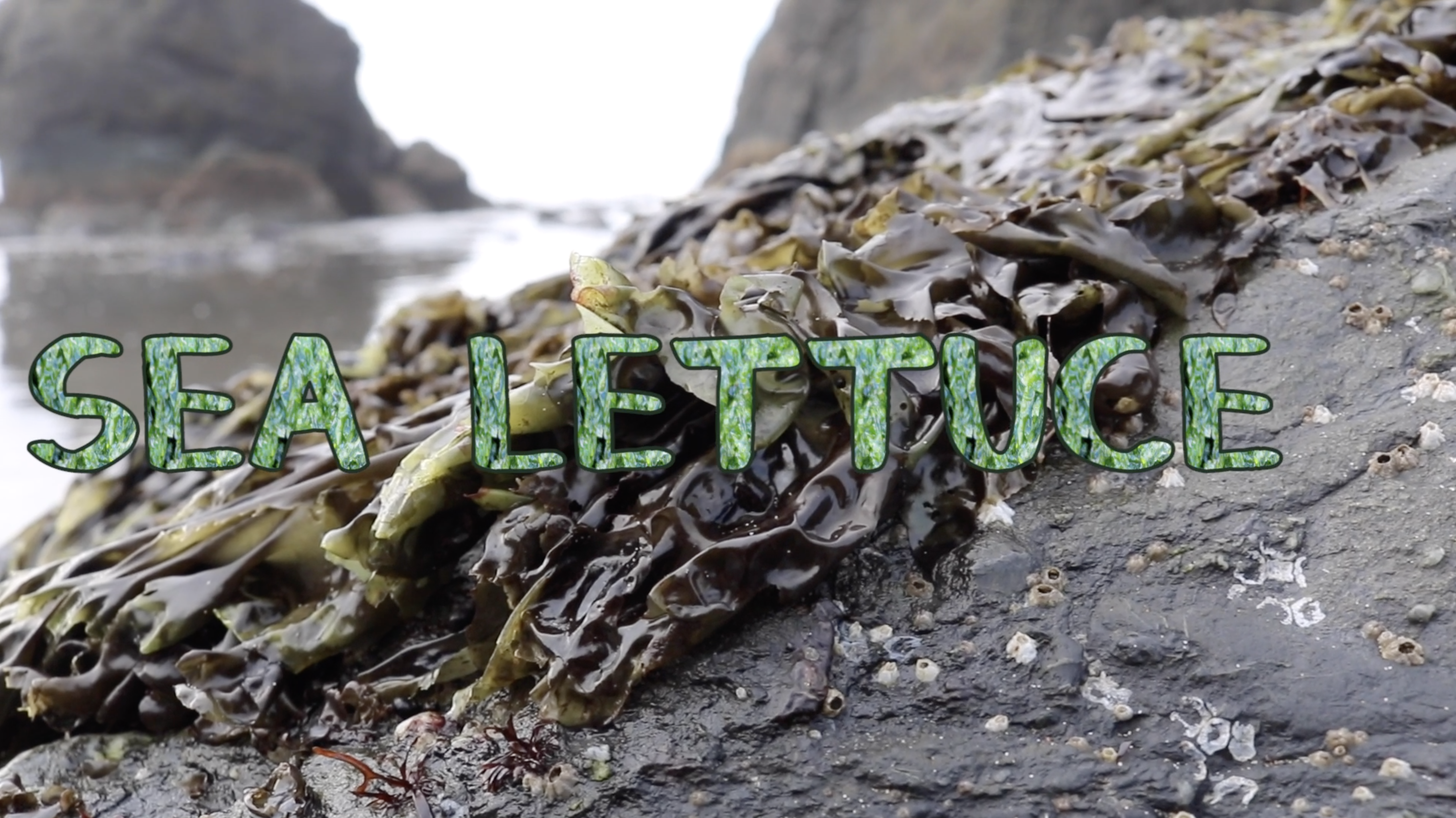
Before You Forage: Sea Lettuce
Everything you ever wondered about sea lettuce
Learning to forage for sustenance is a convenient and exciting way to spend a day. In Humboldt County you can find your next snack or meal on the coast or in the forest—if you know what to look for.
One easy item you can forage for is sea lettuce, an edible green algae scientifically known as Ulva lactuca. Sea lettuce looks similar to garden-grown lettuce, as it has ruffly, thin leaves that bunch together, forming a head.
This vibrant green algae is found along coastlines worldwide, typically in tidal zones on rocks and docks. Ollie Relfe, a British blogger and self-professed nutrition expert, says sea lettuce offers antioxidant qualities and is a great source of vitamins A, C and E, to name a few.
Sea lettuce thrives in areas with high levels of nutrients or pollutants, which makes harvesting for consumption depend on water quality. A bushel of sea lettuce from a remote beach is surely more pristine than a bushel harvested from the mouth of a boat harbor.
According to Capital Regional District, a Canadian governmental sustainability organization, sea lettuce is a valuable food source to numerous creatures. Grazing sea animals, including snails, amphipods and sea urchins, all rely on seaweeds like Ulva lactuca to provide nutrients. Too much sea lettuce can inhibit the growth of other seaweeds, especially when large, floating blooms block sunlight from reaching other oceanic plants below the surface.
As sea lettuce decomposes, it releases hydrogen sulfide, a chemical compound which smells like rotten eggs. The United States Occupational Safety and Health Administration says this toxic gas can be harmful to humans and animals alike, and can even be deadly in high amounts.
When foraging for anything, it’s important to take only as much as you need. Harvesting sea lettuce is no different. However, foraging for sea lettuce can help reduce its decomposition and subsequent toxic contamination.
It’s important to verify the safety of any body of water you plan on foraging in. You can do so by checking local biotoxin warnings. During hotter months, steer clear of consuming coastal collections due to potential red tide contamination.
You don’t need a fishing license to recreationally collect seaweed in California. The daily limit is 10 pounds of wet seaweed, and you must carry a scale with you to ensure you’re within regulation standards.
To collect sea lettuce, one needs a sharp knife and a bucket. Only harvest bushels that are large enough to leave some behind after collecting. Be sure to leave a good amount to ensure you don’t affect the holdfast of a sea lettuce head so the algae can grow back next time.
Before heading out to the coast to collect sea lettuce, check local regulations and make sure you aren’t harvesting on protected land.
-
Equity Arcata Holds Home Away From Home Potluck
Potluck seeks to bring together and welcome students to the community
Equity Arcata’s Home Away From Home Potluck is an event that happens four times a year. There are two during the spring semester and two during the fall semester. The purpose is to bring together all students, community members and local businesses and make them feel welcome within the community while enjoying a free meal.
-
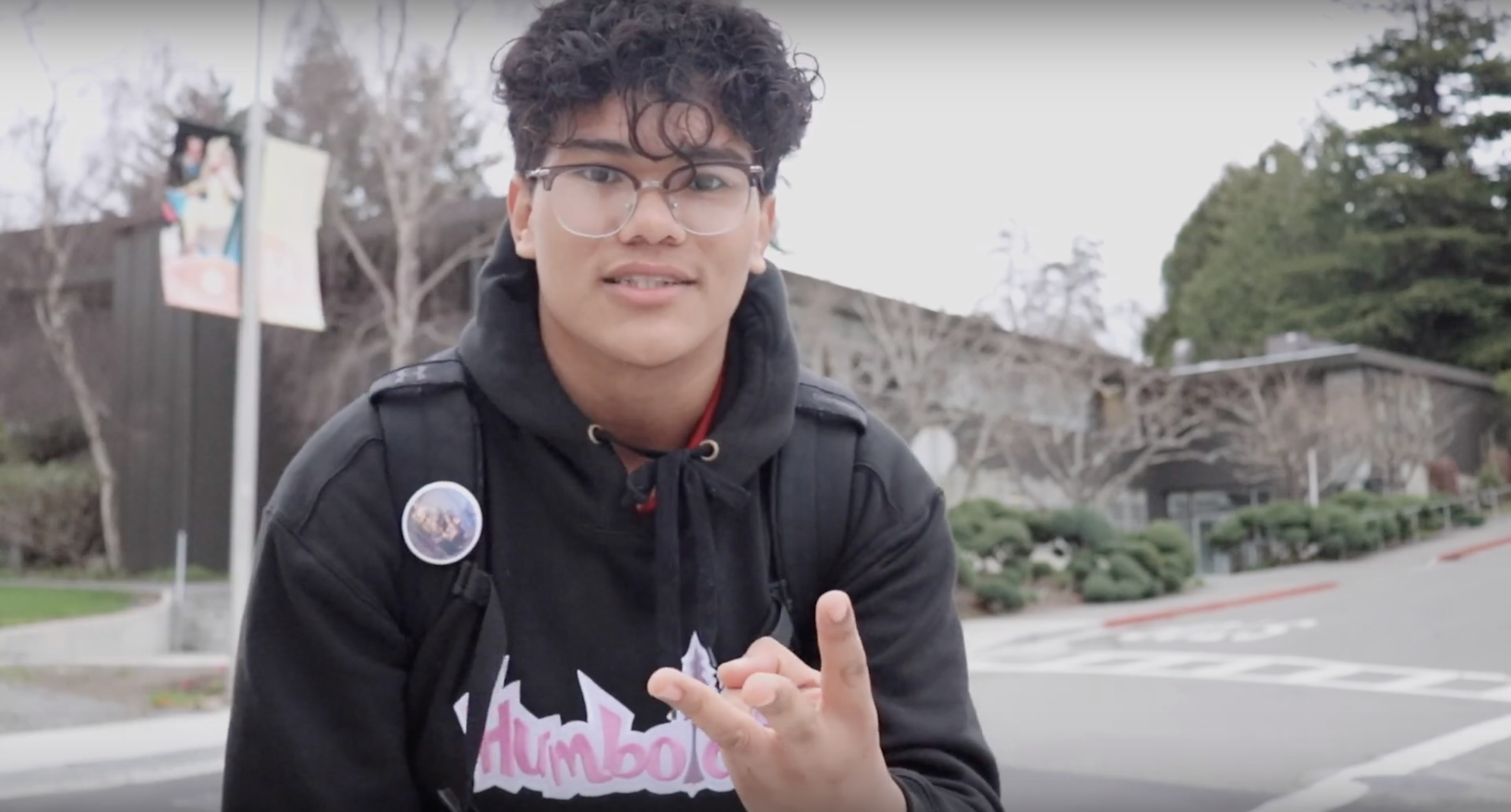
HSU Students’ Home Remedies
We asked HSU students for their home remedies to get over colds and flus
It’s about that time of year when empty seats and sniffles become a daily thing in class. Hopefully everybody is taking care of themselves during the winter, because the common cold or even the flu can creep up on you. I asked students and staff what home remedies and tips they use when they feel a cold coming.
-
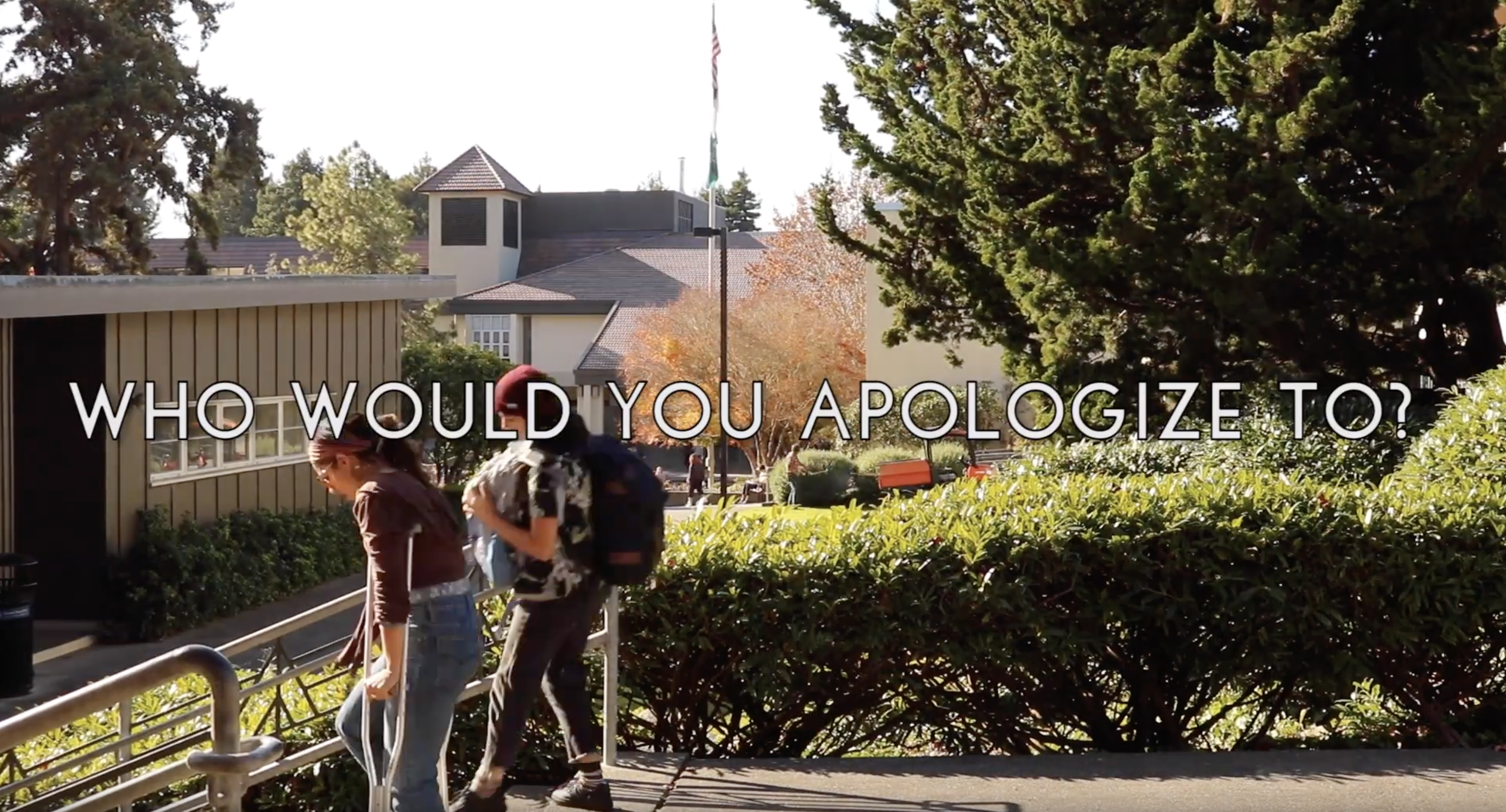
HSU Confessionals: Student Apologies
If you had to apologize to someone, who would it be and for what reasons?
The Lumberjack asked Humboldt State University students if they had the chance to apologize to someone who would it be and for what.
Who would you apologize to?
-
Artist Feature: Carolina Gonzalez
Life may seem black and white, but enter this creativity zone to be illuminated in fluorescent colors
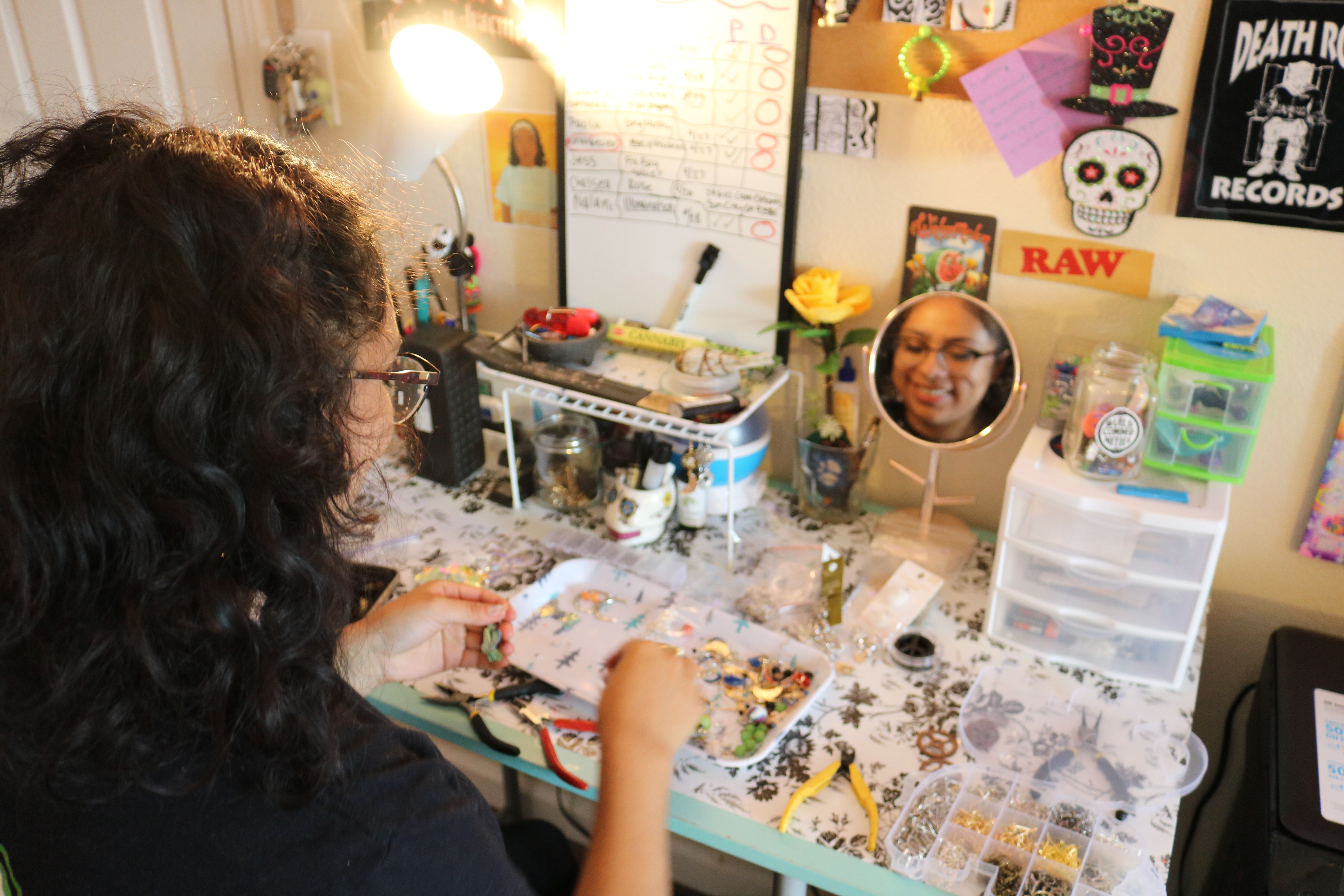
Carolina Gonzalez, a marketing major at Humboldt State University, is a self-taught artist who dabbles in painting, drawing and jewelry making.
Gonzalez enjoys painting with acrylics and oils, drawing with paint pens and ink, as well as crafting unique earrings with charms and beads.

Some of Carolina Gonzalez’s work in her room/studio. | Photo by Chelsea Wood She describes her art style as “daydream dripping” because many of her designs are colorfully psychedelic.
Her Latinx culture and Mexican background strongly influence her artwork. Natural elements influence her creativity and she credits moving to Northern California for sparking even more inspiration.
She’s always dreaming up new designs for earrings and paintings and often works up ideas for new artwork through sketches and graphic design.
-

Artist Feature: Taylor Bruzza
Art is more than just another form of expression, it’s a lifeline
Taylor Bruzza is a studio art major at Humboldt State University whose love for creating art can be traced back to when she was first able to hold a pencil. Bruzza enjoys painting, making jewelry and drawing. She uses a wide range of mediums including ink, watercolors and colored pencils, but she predominately dabbles with acrylic paints. She takes inspiration from nature as she often creates art pieces involving biological and hyper-realistic forms.
-

Humboldt State Mascot Change
“It doesn’t have to be a human, and that way you don’t have to get into a big debate.”
Humboldt State University is known for its tree-filled campus and our lovable Lucky the Lumberjack mascot. However, some take offense to the patriarchal figure, so we asked HSU students what they’d replace our mascot with if Lucky were to be changed.
What would you change our mascot to?
-
What Are You Listening To?
“I’ve been all about the throwbacks right now, and it slaps.”
If you’re interested, check out the Spotify playlist of students’ current favorites so you can see what the buzz is about:
-
Students’ Semester Speculations
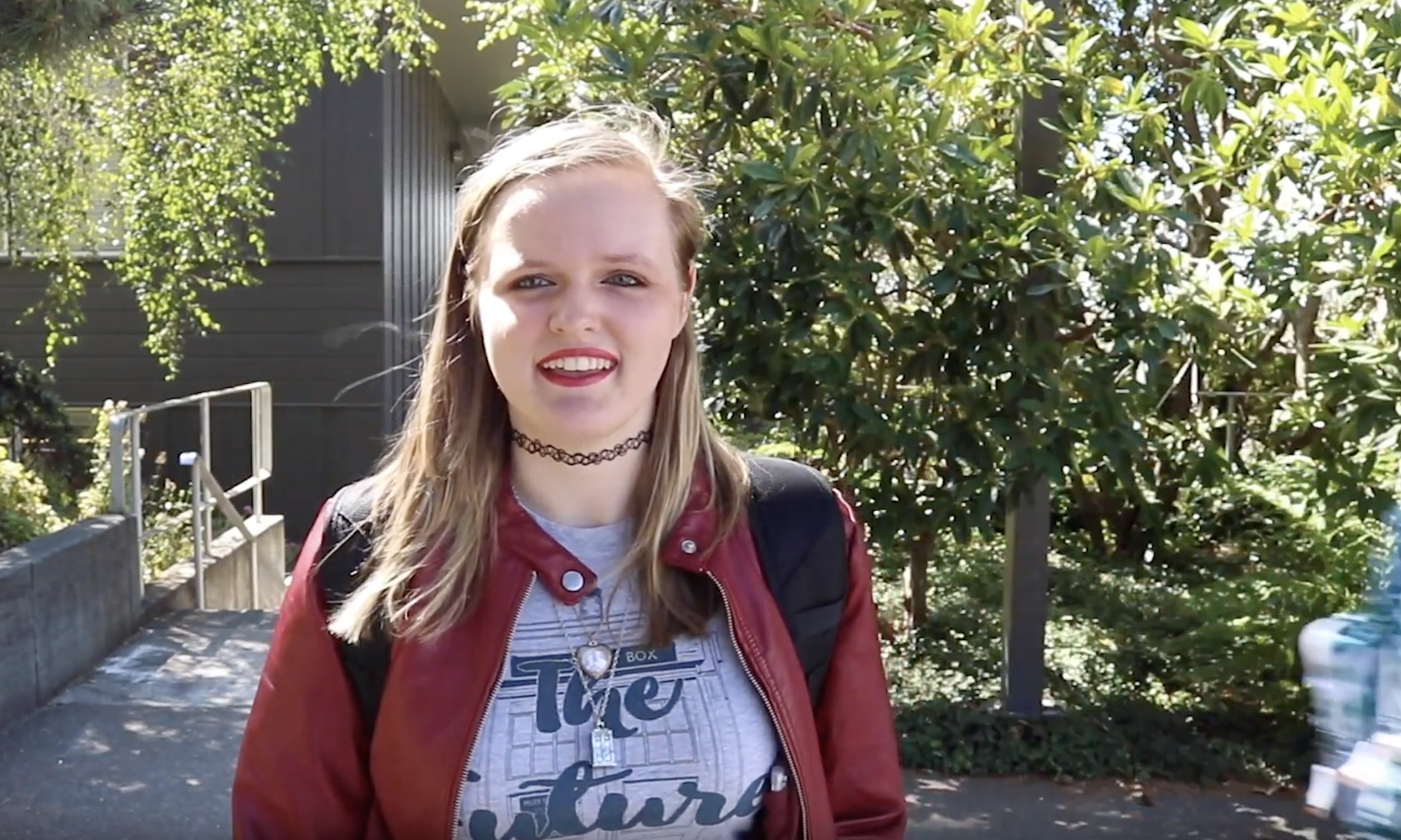
“Getting back in touch with my friends. I think that’s the most important.”
The new semester has students feeling excited, nervous and distressed. We asked Humboldt State students what they were expecting from this semester.
What are you looking forward to the most this semester?
-
Take the plunge with HSU’s Dive Program
HSU’s scientific diving program is an opportunity for any student to get their face underwater and see one of the most spectacular coasts in the world
Ten-foot-high waves crash onto the Mendocino Coast. The rocky shore does its best to quell the energy of the waves but the swell is relentless. A group of suited divers slip on their fins and walk toward the frigid water. Students hold their masks and take the plunge.
Students in Humboldt State’s Scientific Diving Program were tense with anticipation, but they were not nervous. This was the last dive of the semester and they felt safe and prepared. The conditions were challenging but not overwhelming. Plus, they had Jessica Doyle and the Dive Program leadership at their side. They were stoked.
“The students were brave their first time,” Doyle said. “At 100 dives, I knew the conditions were bad. There was very low visibility. Regardless, the beginners were still excited about seeing even a sea star.”
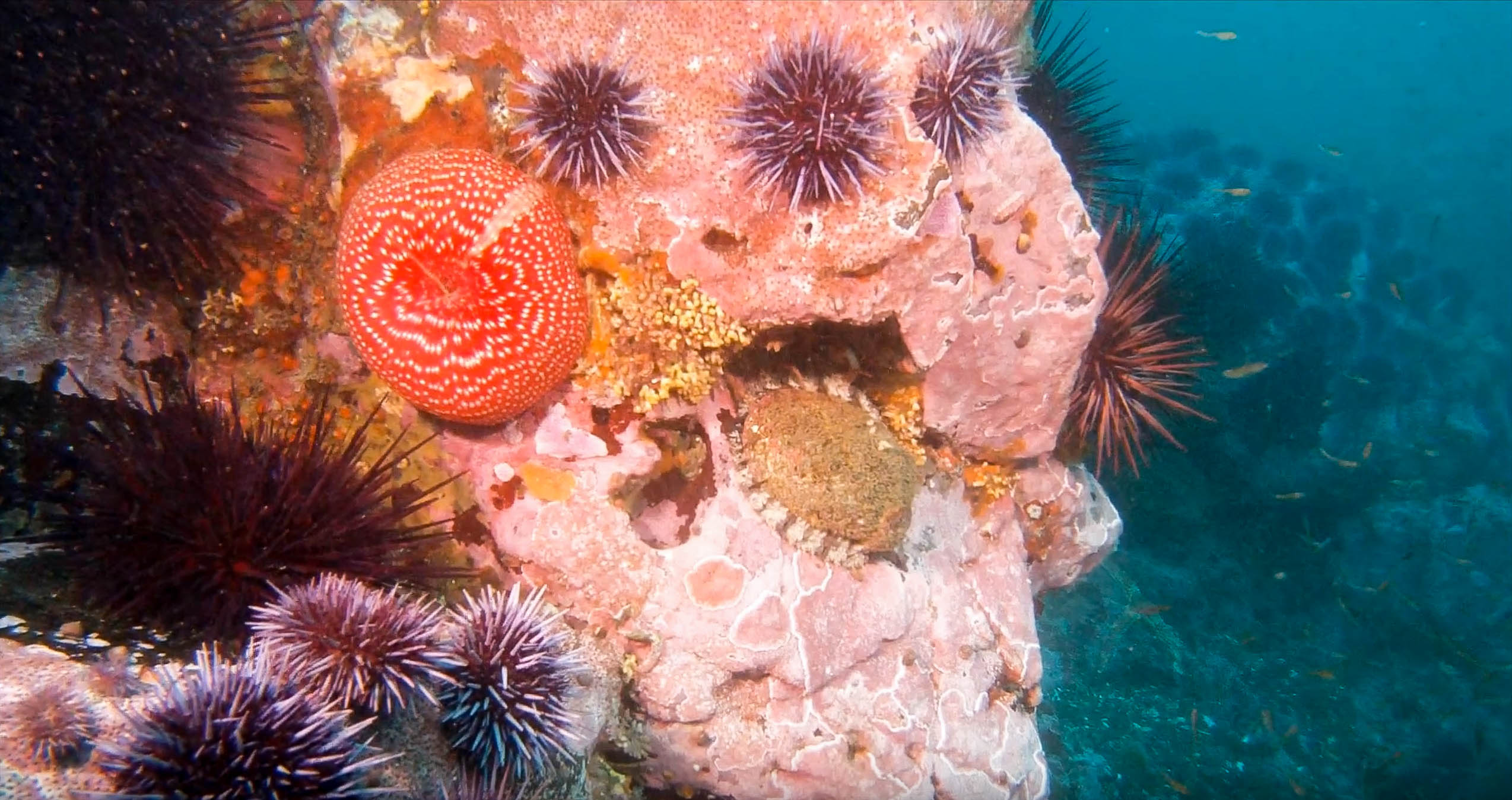
Doyle is passionate about diving. She is studying Environmental Interpretation and Education, but the dive minor opens new doors of opportunity. Doyle gets to help teach all the classes, which go on weekend long dive trips down to Van Damme State Park. Divers in the program are involved in research ranging from studying the impacts of sea urchins eating kelp to monitoring marine protected areas up and down the north coast to counting fish and plants.
[perfectpullquote align=”right” bordertop=”false” cite=”Jessica Doyle” link=”” color=”” class=”” size=”17″]”The Humboldt Dive Program is very prestigious. That’s like getting a law degree from Harvard. And any student can participate!”[/perfectpullquote]
To teach students about the HSU Dive Program, Doyle helped put on Ocean Night on May 1, 2019 at the Arcata Theater Lounge. It was a night of fundraising, underwater video and picture presentations and raffles. All the money raised went to the diving program to support their future trips. Doyle and the Dive Program taught attendees about the dive program and shared some really neat videos from recent dives.
Doyle said she wants to make it clear the HSU Dive Program is open to everyone. She said certification and education from HSU Dive is a big deal. McKenna Rayburn took advantage of the program two years ago, changing her major to Oceanography and jumping into the HSU Dive minor. Both of the divers had a lot of good things to say about the program.
“Generally diving is not a common experience,” Doyle said. “The Humboldt Dive Program is very prestigious. That’s like getting a law degree from Harvard. And any student can participate! We want everyone to know you don’t need to be in marine biology to be a part of the dive program.”
“The dive program is a great experience,” Rayburn said. “Diving builds character and pushes limits. Once I am under the water, I feel calm. After I get my buoyancy figured out, being in the water is my favorite feeling. It’s glorious.”

Photo courtesy Jessica Doyle The HSU Dive Program comes with a lifetime diving certification. Equipped with this certification, the opportunities for underwater exploration are endless. Diving Safety Officer Richard Alvarez helps organize and approve all dive plans and research missions. Alvarez said the HSU Dive program prepares their divers for any conditions they may face worldwide.
“Diving here is super challenging,” Alvarez said. “We have low visibility and are constantly exposed to the elements. The program takes people and prepares them for a lot. We are training in rigorous conditions. The main theme of the program is safety.”
“Diving builds character and pushes limits. Once I am under the water, I feel calm. After I get my buoyancy figured out, being in the water is my favorite feeling. It’s glorious.”
McKenna RayburnAlvarez said it was important to prepare divers for an emergency. He said the divers in the program practiced safety and were highly skilled. This ensures they do high quality science. Alvarez said it can be easy to get distracted from the basics when counting fish, so rigorous training was necessary.
Rayburn has not taken the scientific diving course yet, but said she was looking forward to it. In the program, she will get to how to identify fish and plants underwater. She will also have the opportunity to collect her own data for any project she wants to do, as long as Alvarez approves it.
“When HSU students dive at other spots, they get really excited,” Alvarez said. “The stoke to get in the water is enthusiasm. Diving the north coast can be challenging but it’s worth all the effort. The coast is phenomenal. We have the most beautiful coast. Diving here is mind blowing.”
-
#HorrorStories: Ghost encounters edition
“I talked to dead kids when I was little.”
When it comes to ghosts you may be superstitious, a non-believer or a skeptic, but for these Humboldt State students the phantoms they’ve faced are for real. Share your stories in the comments to be features in future videos.