By Nick Escalada
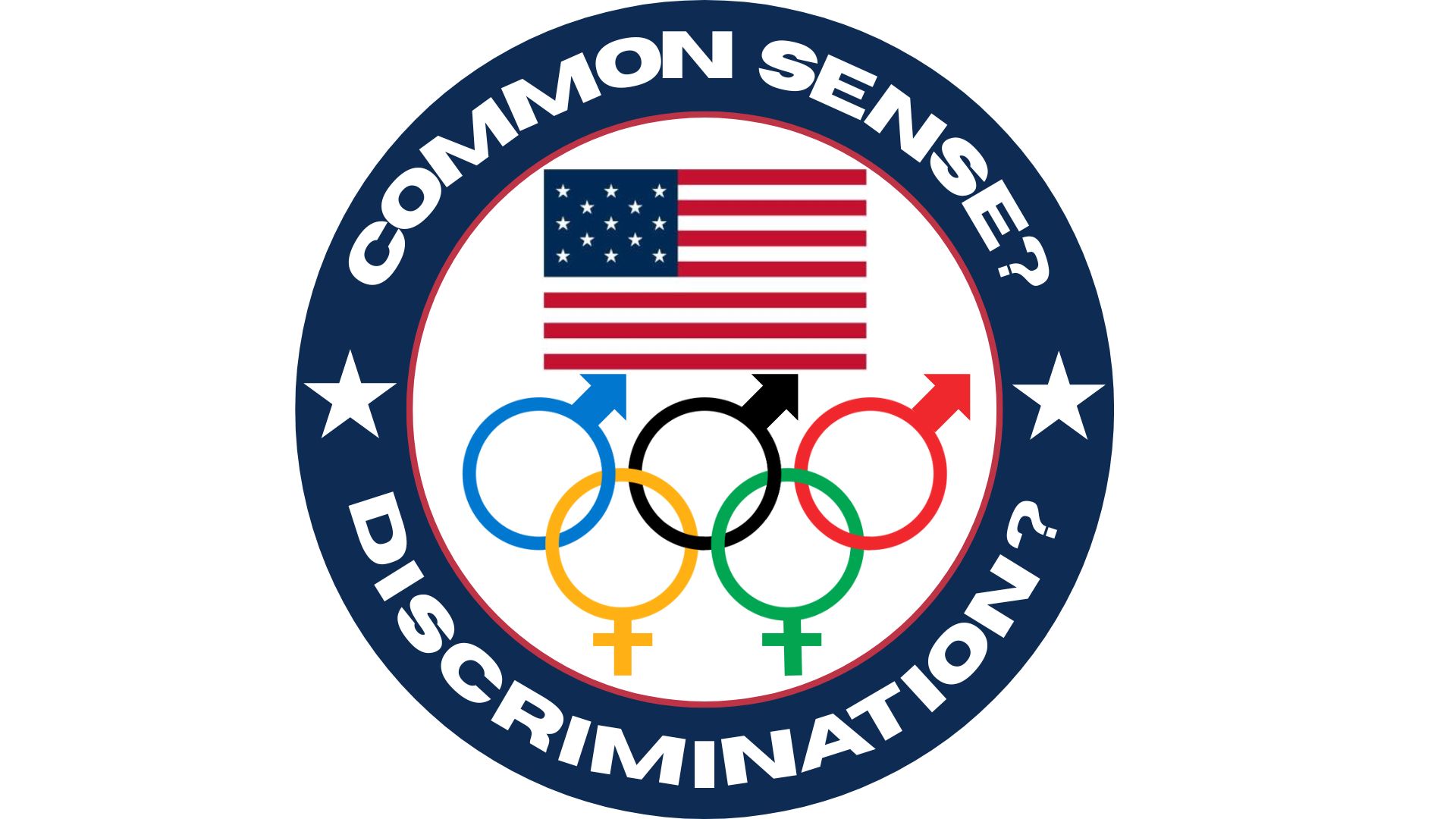
President Trump signed an executive order signaling the Department of Education to withhold federal funding from schools that support transgender athletes on Feb. 5. This legislation was a campaign promise made months prior to eliminate the perceived unfairness of biological males competing in women’s sports. It was enacted on the basis of Title IX, which prohibits sex-based discrimination in all federally supported institutions. This belongs to a series of executive orders regarding transgender rights that Trump has authorized in his first few weeks in office, with one banning trans soldiers in the military and another banning gender-affirming care for people under the age of 19.
In a nation with a long history of LGBTQIA+ movements and social progress, this policy decision was heavily contested, but people opposed to the order do not actually expect much to change under its enforcement. According to National Collegiate Athletic Association (NCAA) president Charlie Baker, there are fewer than 10 openly trans athletes currently competing in college sports. Trans rights advocates are instead citing this as unnecessary bullying that sets a concerning precedent for how trans people may be viewed and treated moving forward.
Gender has been a concept interwoven with sports since their inception — with biological distinctions between men and women inhibiting their ability to compete with one another for millenia. Today, the grounds for separating our competitions more closely resembles the scientific notion of sex, with gender drifting apart in its etymology to describe what is now considered a social construct. However, men and women are still the foundational terms for the division in sports worldwide and the adhesion of gender to athletics has remained one of the most interesting constants in human history.
For most of the recorded past, only men had been permitted to set foot in recreational athletic contests. Up until the 19th century, western society employed the archaic belief first voiced by Aristotle that women were ruled by their reproductive systems and that excessive physical or mental exertion would lead to infertility. It wasn’t until the end of the first wave of the feminist movement in 1920 where a separate version of the Olympic Games was established for women to compete.
The rising women’s sports scene was inevitably enveloped by racial segregation in the United States, but that did not stop Black communities from excelling in mixed-race track and basketball meets. In the heat of World War II, the All-American Girls Professional Baseball League was founded, offering escapist entertainment for the distressed American homefront. Despite the performative nature of leagues like these, wartime offered women an opportunity for empowerment in sports, which was withdrawn immediately by 1945 in place of traditional gender roles until the next feminist wave in the late 60s and 70s.
Relative to their treatment in the 20th century, it might seem like the two genders recognized in modern sports are just about as equal as they can get. This is a dangerous assumption to make and it ignores the countless instances of sexist injustice in athletics that still linger from its bigoted past. For instance, finding a social media platform that does not offer a video compilation of male journalists pressing visibly uncomfortable female athletes about their body types, sex lives, or revealing uniforms, may seem impossible. It may not be as opaque today as referring to Olympic-level competitors as “girls,” but gender roles are still at large and are being imposed upon people who simply want to prove their skills to the world.
This recent executive order will still allow transgender athletes to compete in the division of the gender they were assigned at birth. While this might make sense in an industry where biological traits are paramount, it may also speak to the level of legitimacy our society is willing to grant the chosen genders of these contestants. Above all, whether or not you think gender has a place in athletics, one can only hope for a world where professional tennis players like Eugenie Bouchard are not asked to give their interviewers a twirl for the camera.
Leave a Reply